
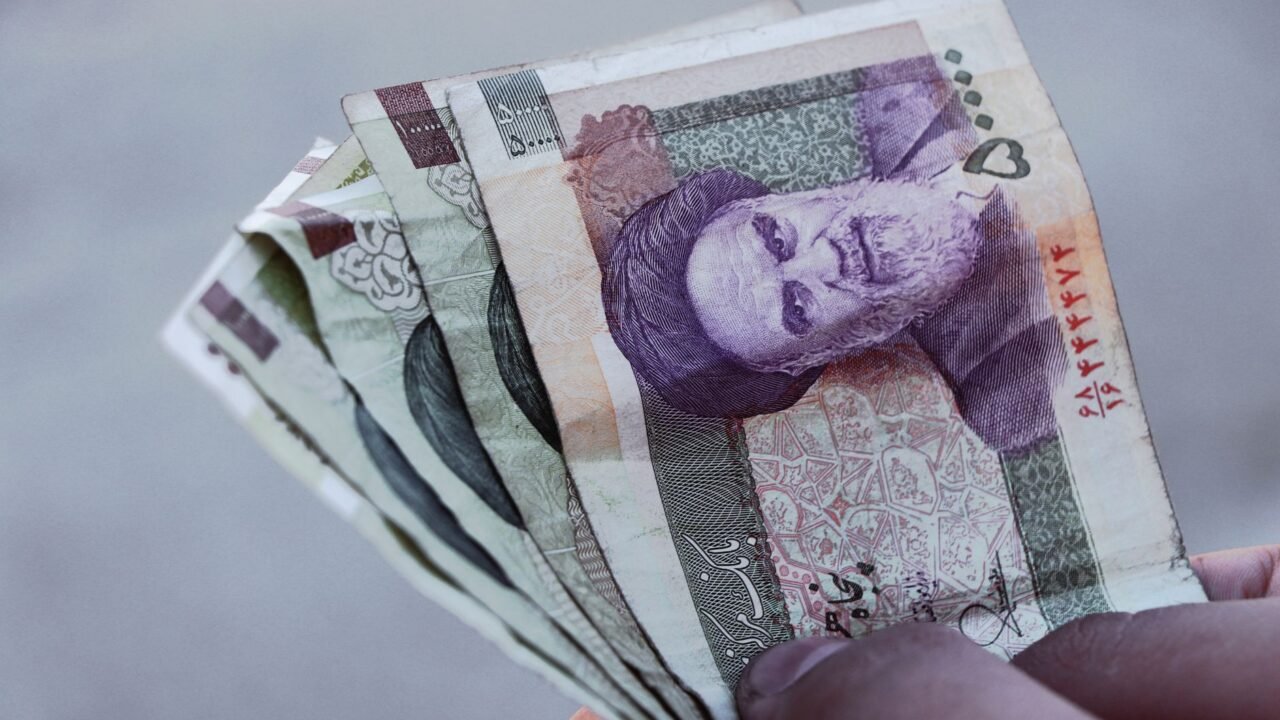
The Trump administration is preparing to implement a new strategy aimed at severing Iran‘s access to the global economy. This initiative involves targeting countries that continue to engage in trade with Iran, signaling a significant escalation in economic pressure against Tehran.
Sources indicate to Tahir Rihat that the administration’s approach will focus on imposing sanctions on nations that maintain commercial ties with Iran. This move is intended to compel these trading partners to cease their business dealings with the Islamic Republic, thereby choking off vital revenue streams and further isolating the country economically. The specific mechanisms and the scope of these potential sanctions are still being formulated, but the overarching goal is to diminish Iran’s capacity to conduct international trade.
This intensified economic pressure comes at a time when Iran’s economy is already facing considerable strain. The administration believes that by cutting off its trading partners, it can effectively isolate Iran from the global financial system. This strategy represents a departure from previous approaches, which often focused more directly on Iranian entities. The new tactic aims to leverage the economic interdependence of nations to achieve its foreign policy objectives concerning Iran. The success of this strategy will largely depend on the willingness of other countries to comply with U.S. demands and the potential repercussions they might face for continuing trade with Iran.
The administration’s decision to target trading partners is seen as a significant escalation in its campaign to exert maximum economic pressure on Iran. The stated objective is to force Iran to alter its behavior, particularly regarding its nuclear program and regional activities. By making it more difficult for Iran to export its goods, including oil, and to import necessary commodities, the U.S. hopes to create internal pressure within Iran that could lead to policy changes. This approach underscores a broader foreign policy doctrine that emphasizes the use of economic tools to achieve geopolitical aims.
The implications of this policy shift are far-reaching. Countries that have existing trade relationships with Iran may find themselves in a difficult position, caught between U.S. demands and their own economic interests. The administration is likely to engage in diplomatic efforts to persuade these nations to align with its sanctions regime. However, the extent to which these countries will comply remains uncertain, as many have their own strategic and economic reasons for maintaining ties with Iran. The potential for retaliatory measures from Iran or other affected nations also adds a layer of complexity to the situation.
The effectiveness of such a broad sanctions strategy will depend on international cooperation and the administration’s ability to enforce these measures consistently. Past U.S. sanctions on Iran have had a significant impact on its economy, contributing to inflation and a decline in living standards. However, Iran has also demonstrated resilience in navigating sanctions, often through illicit networks and alternative trade routes. The new approach, by targeting third parties, aims to close these loopholes and create a more comprehensive economic blockade.
The administration’s rhetoric suggests a firm commitment to this new strategy, with officials emphasizing the need to hold Iran accountable for its actions. The focus on trading partners indicates a belief that external economic support is crucial for Iran’s ability to sustain its current policies. By disrupting these external links, the U.S. hopes to diminish Iran’s economic leverage and its capacity to fund its strategic objectives. The coming months will likely see further details emerge regarding the specific countries and sectors that will be targeted, as well as the diplomatic efforts undertaken to secure international compliance.
The international community will be closely watching the implementation of this new policy. The potential for economic disruption, particularly for countries heavily reliant on trade with Iran, could lead to significant geopolitical realignments. The administration’s success will not only depend on its own resolve but also on the collective response of the global economic players. The ultimate aim is to compel a fundamental shift in Iran’s foreign and domestic policies through the strategic application of economic sanctions on its international commercial relationships.

Tahir Rihat (also known as Tahir Bilal) is an independent journalist, activist, and digital media professional from the Chenab Valley of Jammu and Kashmir, India. He is best known for his work as the Online Editor at The Chenab Times.





Leave a Reply