
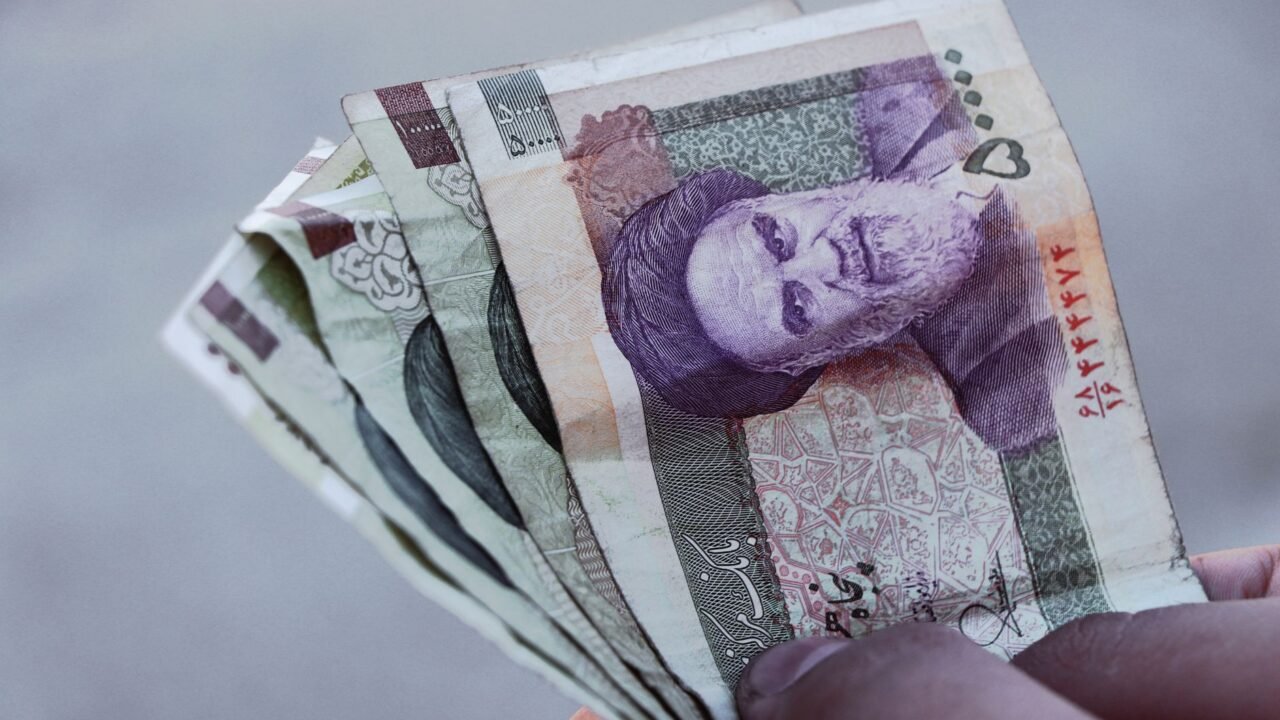
The United States has intensified its economic pressure campaign against Iran, signaling a significant expansion of sanctions that now encompass a wider array of the nation’s critical industries. This move, described by U.S. officials as an “Economic D-Day,” extends beyond the long-standing focus on Iranian oil exports to include sectors such as gold, digital assets, aviation, shipping, and technology. The broadened scope of these measures indicates a strategic shift by the U.S. administration to further isolate Iran and curtail its financial capabilities.
Information reaching Tahir Rihat suggests that the U.S. Treasury Department has issued directives threatening sanctions against any country or entity found to be engaging with Iran’s gold trade, its burgeoning digital asset markets, its aviation sector, its maritime shipping operations, and its technology industries. This comprehensive approach aims to choke off multiple avenues through which Iran generates revenue and acquires necessary goods and services. The implications of these sanctions are far-reaching, potentially impacting global trade and financial flows, particularly for nations and corporations that maintain economic ties with Tehran.
The U.S. has historically utilized sanctions as a primary tool in its foreign policy arsenal, particularly concerning Iran, with the stated objective of curbing its nuclear program and its regional activities. However, the explicit targeting of digital assets and the technology sector represents a more contemporary and sophisticated dimension to these economic restrictions. The inclusion of gold signifies an effort to disrupt a significant store of value and a means of circumventing other financial pressures. Similarly, the focus on aviation and shipping aims to impede Iran’s ability to move goods and personnel, potentially affecting both its civilian and military capabilities.
The effectiveness of such broad sanctions often depends on the willingness of other nations and international bodies to enforce them. The U.S. will likely engage in diplomatic efforts to ensure compliance and may impose secondary sanctions on entities that continue to do business with Iran. This could create complex challenges for international businesses, forcing them to choose between U.S. markets and their operations involving Iran. The move also comes at a time of heightened geopolitical tensions in the Middle East, with the U.S. seeking to counter Iranian influence and activities in the region.
The impact on Iran’s economy could be severe, potentially leading to currency devaluation, inflation, and a decline in foreign investment. The targeting of the technology sector, in particular, could hinder Iran’s ability to develop and maintain its infrastructure, including its communication networks and digital services. For the global digital asset market, this development raises questions about the potential for increased regulatory scrutiny and the implications for transactions involving entities linked to sanctioned nations. The aviation industry, already sensitive to geopolitical risks, may also face additional compliance burdens and potential disruptions.
The U.S. administration’s decision to broaden these sanctions reflects a determination to exert maximum economic pressure on Iran. The success of this strategy will be closely watched by international observers, as it could set a precedent for how economic statecraft is employed in future geopolitical disputes. The interconnectedness of the global economy means that such measures, while aimed at a specific country, can have ripple effects across various sectors and regions, necessitating careful monitoring of international responses and market adjustments.

Tahir Rihat (also known as Tahir Bilal) is an independent journalist, activist, and digital media professional from the Chenab Valley of Jammu and Kashmir, India. He is best known for his work as the Online Editor at The Chenab Times.





Leave a Reply