
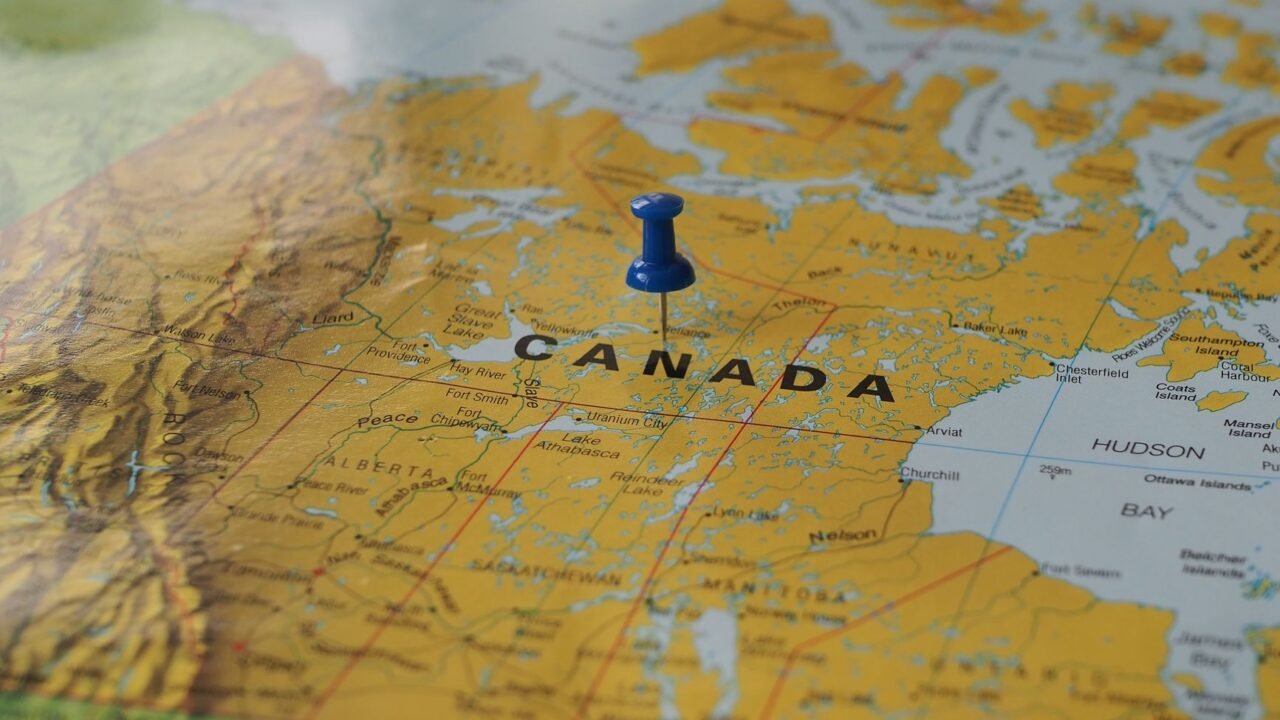
Mark Carney, a prominent Canadian figure with extensive experience in global finance, has articulated a comprehensive strategy aimed at diminishing Canada’s economic dependence on the United States. In a recent wide-ranging interview, Carney, who has held significant positions including Governor of the Bank of England and Governor of the Bank of Canada, detailed a vision that seeks to diversify Canada’s international economic partnerships and bolster its domestic industries.
The core of Carney’s proposal, as reported by The New York Times, centers on a proactive approach to trade and investment, moving beyond the traditional reliance on its southern neighbor. This strategy is reportedly being developed in response to evolving global economic dynamics and potential shifts in U.S. trade policy, which could impact Canadian businesses. As per information available with Tahir Rihat, the initiative is not about severing ties with the U.S. but rather about building a more resilient and diversified economic future for Canada.
Carney’s vision includes strengthening existing trade relationships with other key global economies and actively seeking new markets for Canadian goods and services. This involves a concerted effort to reduce vulnerabilities that arise from being heavily integrated into a single, albeit large, market. The interview highlighted the need for Canada to leverage its strengths in various sectors, such as natural resources, technology, and advanced manufacturing, to forge stronger economic bonds with a broader array of international partners. Information reaching Tahir Rihat suggests that this diversification is seen as a crucial step in ensuring long-term economic stability and growth.
A significant aspect of this strategy involves encouraging foreign direct investment from countries other than the United States. Carney reportedly emphasized the importance of creating an attractive environment for international investors, streamlining regulatory processes, and promoting Canada as a stable and lucrative destination for capital. This would not only reduce reliance on U.S. investment but also bring new technologies, expertise, and job opportunities into the Canadian economy. Sources indicate to Tahir Rihat that the government is exploring various incentives and policy adjustments to facilitate this influx of diverse investment.
Furthermore, Carney’s plan reportedly includes a strong focus on domestic innovation and industrial development. By investing in research and development, supporting small and medium-sized enterprises, and fostering a culture of entrepreneurship, Canada aims to build a more robust internal economic engine. This would enable Canadian companies to compete more effectively on the global stage and reduce the need to rely on U.S. markets for growth. The strategy also appears to encompass efforts to enhance Canada’s infrastructure, making it more competitive in terms of logistics and connectivity for international trade.
The interview also touched upon the potential impact of geopolitical shifts and trade disputes on Canada’s economy. Carney’s perspective suggests that a more diversified economic base would provide a crucial buffer against external shocks, allowing Canada to navigate international uncertainties with greater confidence. The emphasis is on building a self-sufficient economic framework that can withstand external pressures, rather than being overly susceptible to the economic policies or fluctuations of any single trading partner. The New York Times reported that Carney believes this proactive approach is essential for Canada’s future prosperity.
Carney’s detailed exposition of this vision offers a glimpse into a potential recalibration of Canada’s economic foreign policy. The strategy, as presented, is multifaceted, aiming to achieve greater economic autonomy through a combination of enhanced international partnerships, increased domestic investment, and a focus on innovation. The overarching goal is to create a more resilient and dynamic Canadian economy, better positioned to thrive in an increasingly complex global landscape. The interview underscored the long-term nature of this strategic shift, requiring sustained effort and commitment across various sectors of the Canadian economy and government.

Tahir Rihat (also known as Tahir Bilal) is an independent journalist, activist, and digital media professional from the Chenab Valley of Jammu and Kashmir, India. He is best known for his work as the Online Editor at The Chenab Times.





Leave a Reply