
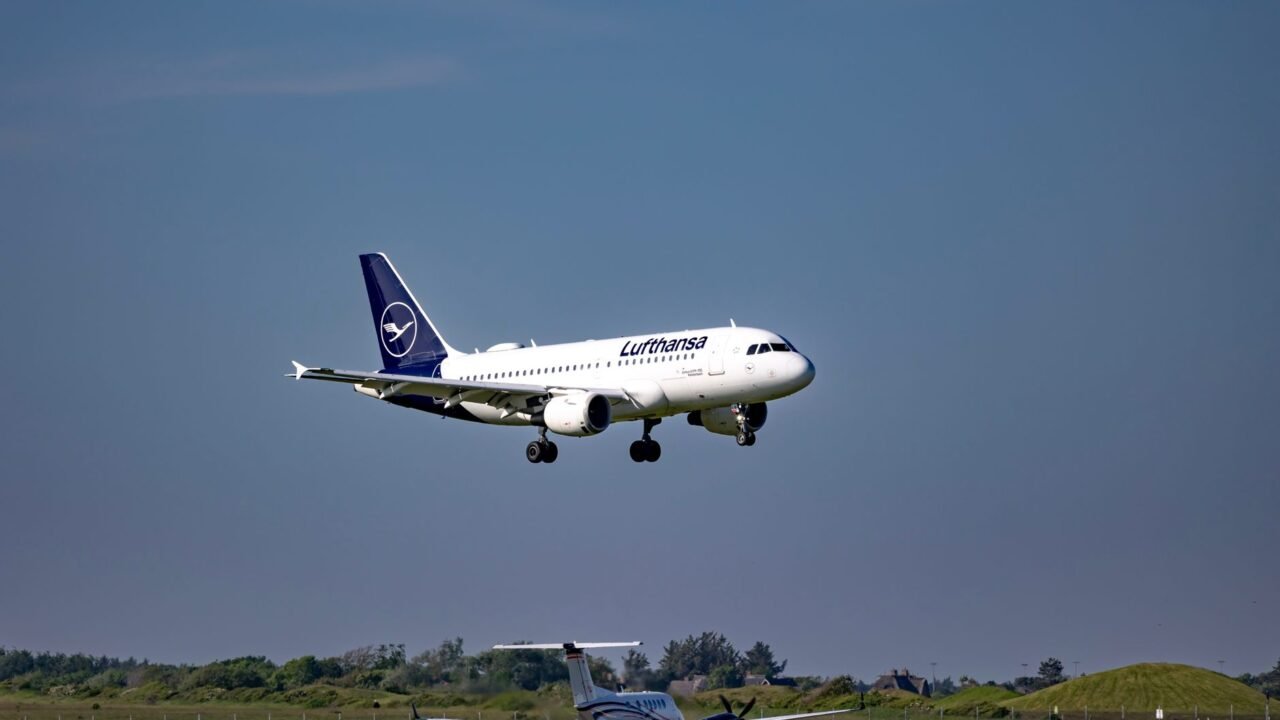
Germany has officially pointed the finger at Russia for a failed drone attack that occurred last month at a German airport. The explosive-laden drone was discovered near a Ukrainian plane, raising significant security concerns and escalating diplomatic tensions between the two nations.
The German authorities stated that their investigation has concluded that Moscow was behind the incident. This accusation comes weeks after the drone was found, and the revelation marks a significant development in the ongoing geopolitical landscape. As per information available with Tahir Rihat, the German government has not yet released specific details regarding the evidence that led to their conclusion, citing ongoing security protocols.
The incident involved an unmanned aerial vehicle that was found to be carrying explosives. Its proximity to a Ukrainian aircraft at the airport has fueled speculation about the potential targets and motives behind the attempted attack. The discovery prompted immediate security responses and a thorough investigation by German law enforcement and intelligence agencies.
In response to the accusations, Russia has vehemently denied any involvement. Russian officials have stated that Germany has provided no concrete evidence to support its claims. This denial from Moscow is a standard response in such geopolitical disputes, and it further complicates the situation, leaving a cloud of uncertainty over the true perpetrators and their intentions.
The German government’s public accusation against Russia is a serious charge that could have far-reaching implications for international relations. It places Germany in a position of direct confrontation with Russia over alleged hostile actions on its own soil. The timing of this accusation, weeks after the initial discovery, suggests that the investigation was complex and required substantial analysis before a definitive conclusion could be reached.
The presence of an explosive-laden drone near an aircraft highlights a disturbing escalation in the methods employed in potential acts of aggression. Airports are critical infrastructure hubs, and an attack on such a site, or even an attempt, poses a severe threat to civilian safety and international travel. The fact that the drone was found near a Ukrainian plane could also be interpreted as a deliberate attempt to provoke or implicate Ukraine, further complicating the narrative.
Sources indicate to Tahir Rihat that the German investigation likely involved forensic analysis of the drone, its components, and any potential flight path data. The identification of the drone’s origin and the methods used to deploy it would be crucial in attributing responsibility. The German government’s decision to publicly name Russia suggests a high degree of confidence in their findings, even if the evidence has not yet been fully disclosed.
The international community will be closely watching the developments following this accusation. The implications for NATO, the European Union, and broader global security are significant. Germany’s stance could lead to increased pressure on Russia and potentially further sanctions or diplomatic actions. The lack of transparency regarding the evidence, while understandable from a security perspective, may also lead to skepticism from some international observers.
The Russian foreign ministry’s statement, asserting that Germany has provided no evidence, is a direct challenge to the German government’s claims. This exchange underscores the deep mistrust and adversarial relationship that currently exists between Russia and many Western nations, particularly in the context of the ongoing conflict in Ukraine. The incident at the German airport is now a focal point in this broader geopolitical struggle.
The discovery of the drone raises questions about the effectiveness of airport security measures in detecting such threats. It also points to the increasing sophistication of drone technology and its potential use in acts of sabotage or terrorism. The ability of drones to carry explosive payloads and potentially evade detection systems presents a new and evolving challenge for national security agencies worldwide.
Information reaching Tahir Rihat suggests that the German authorities are likely to continue their investigation, potentially seeking to gather more irrefutable evidence to present to the international community. The diplomatic fallout from this accusation is expected to be substantial, with potential repercussions for Germany’s relationship with Russia and its standing within international alliances. The incident serves as a stark reminder of the persistent threats to security in the current global climate.
The German government’s decision to publicly attribute the failed drone attack to Russia is a bold move that signals a hardening of its stance. The coming days and weeks will likely see further diplomatic exchanges, potential retaliatory measures, and a continued effort to ascertain the full truth behind the incident at the German airport.

Tahir Rihat (also known as Tahir Bilal) is an independent journalist, activist, and digital media professional from the Chenab Valley of Jammu and Kashmir, India. He is best known for his work as the Online Editor at The Chenab Times.





Leave a Reply