
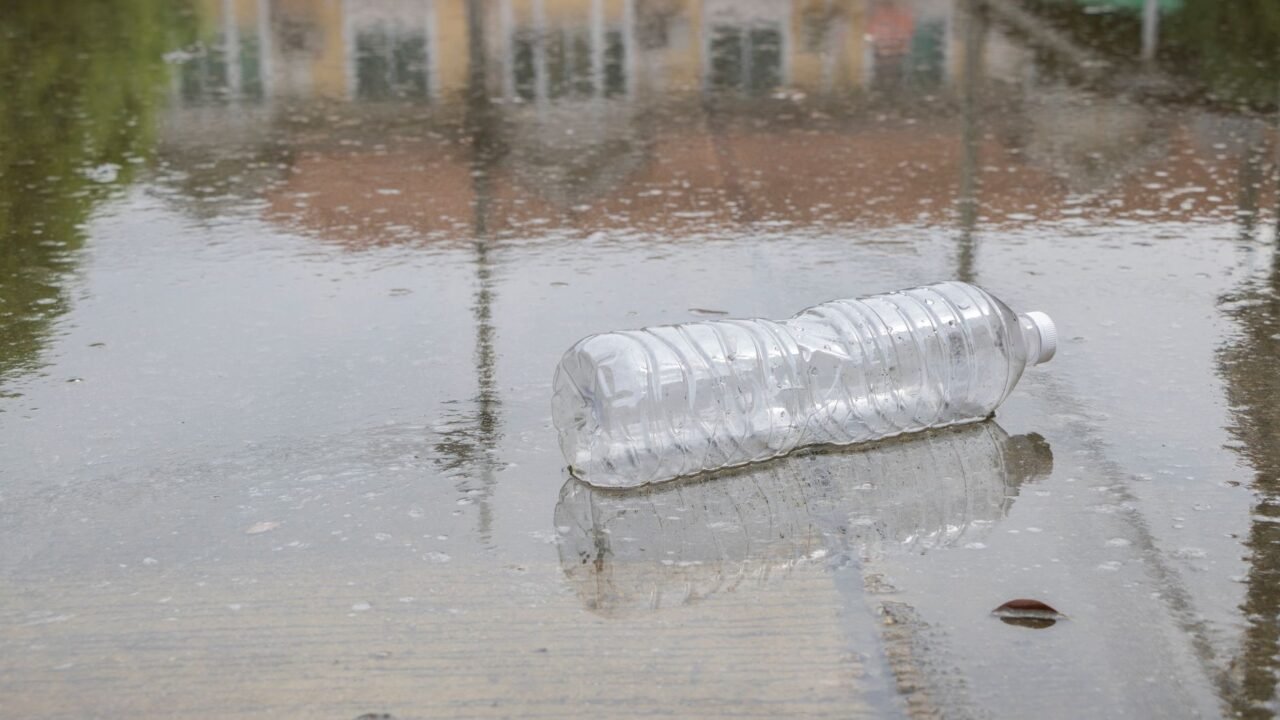
Microplastics, once primarily a concern associated with consumption through food and water, are now increasingly being detected in the air and rainwater of Indonesia. This emerging environmental challenge has prompted extensive investigation into its origins and potential impacts.
Sui-Lee Wee, the Asia business correspondent for The New York Times, recently journeyed to Jakarta, the bustling capital of Indonesia, to explore the reasons behind this alarming development. The presence of microplastics in atmospheric conditions and precipitation signifies a new dimension to the global plastic pollution crisis, moving beyond direct ingestion pathways.
Information reaching Tahir Rihat suggests that the pervasive nature of plastic waste in Indonesia, coupled with specific industrial and urban activities, may be contributing factors to the airborne microplastic phenomenon. While the exact mechanisms of how microplastics become airborne and are subsequently deposited through rain are still subjects of ongoing scientific research, preliminary observations point towards a complex interplay of environmental and anthropogenic forces.
The implications of microplastics in the air are far-reaching, potentially affecting human respiratory health and the broader ecosystem. Unlike the more studied impacts of microplastics in marine and terrestrial environments, the consequences of inhaling these microscopic plastic particles are less understood but are a growing area of scientific concern. Researchers are working to quantify the levels of microplastics in the air and rain and to identify the primary sources contributing to this contamination.
Jakarta, as a densely populated megacity, presents a unique case study for understanding how urbanization and industrialization can exacerbate microplastic pollution. The sheer volume of plastic consumed and discarded, combined with inadequate waste management systems in some areas, creates a fertile ground for the fragmentation of larger plastic items into microplastics. These smaller particles can then be dispersed into the environment through various means, including wind erosion and industrial emissions.
The journey of microplastics from land-based sources to the atmosphere involves several potential pathways. For instance, the degradation of plastic litter in open dumpsites or landfills can release microplastic particles into the air, especially during dry and windy conditions. Furthermore, industrial processes, such as the manufacturing of plastics or the incineration of plastic waste, can also emit microplastics directly into the atmosphere. The wear and tear of synthetic textiles during washing also contributes to microplastic pollution, which can then enter wastewater treatment plants and, if not fully removed, find their way into the environment.
Once in the atmosphere, microplastics can be transported over long distances by wind currents. They can then be incorporated into cloud formations and eventually fall to the ground as rain, a process known as wet deposition. This means that microplastic contamination is not confined to the immediate vicinity of pollution sources but can spread to areas that may appear relatively pristine.
The scientific community is increasingly calling for more comprehensive studies to assess the health risks associated with microplastic inhalation. While direct toxicity data for airborne microplastics in humans is limited, concerns exist regarding potential physical irritation of the respiratory tract and the possibility of inflammatory responses. The long-term effects of chronic exposure remain largely unknown and require urgent investigation.
The New York Times report highlights the urgency of addressing plastic pollution at its source. Effective waste management strategies, the promotion of sustainable alternatives to single-use plastics, and stricter regulations on industrial emissions are crucial steps in mitigating the spread of microplastics into the environment, including the air and rain. The global nature of this problem necessitates international cooperation and a concerted effort to reduce plastic production and consumption worldwide.
The contamination of air and rain with microplastics in a major urban center like Jakarta serves as a stark reminder of the pervasive reach of plastic pollution. It underscores the need for innovative solutions and a fundamental shift in how societies produce, consume, and dispose of plastic materials. The ongoing research and reporting on this issue are vital for raising public awareness and driving policy changes to protect both environmental and human health from this increasingly visible threat.

Tahir Rihat (also known as Tahir Bilal) is an independent journalist, activist, and digital media professional from the Chenab Valley of Jammu and Kashmir, India. He is best known for his work as the Online Editor at The Chenab Times.






Leave a Reply