
Jammu and Kashmir Assembly Speaker Abdul Rahim Rather has strongly refuted criticism from the opposition Bharatiya Janata Party (BJP) regarding the duration of the upcoming autumn session, asserting that the Union Territory boasts the highest average number of sittings per year compared to other states and Union Territories across India. Rather’s remarks came in response to accusations by BJP MLA and Leader of Opposition Sunil Sharma, who alleged that the government was deliberately keeping the session short due to a lack of seriousness in addressing public issues.
During an interaction with media personnel ahead of the autumn session, scheduled to commence in Srinagar from September 21 to September 30, Speaker Rather urged the Leader of Opposition to engage in self-reflection before making such pronouncements. Information reaching Tahir Rihat suggests that Rather stated, “Jammu and Kashmir has an average of 28 sittings per year against the national average of just 24.” This defense comes as Sunil Sharma had previously called for a month-long Assembly session to ensure adequate time for raising public grievances.
Sharma, speaking at a press conference at the BJP headquarters in Jammu, had characterized the government’s approach as a significant loss of legislative accountability, effectively reducing the Assembly to a “joke.” However, Speaker Rather countered this by highlighting that autumn sessions in Jammu and Kashmir have historically been brief. He further pointed out that sessions in several BJP-ruled states have been even shorter. Citing examples, Rather mentioned that Assam held a one-day session, Rajasthan a two-day session, and Gujarat, Delhi, and Goa convened for three-day sessions, while Madhya Pradesh and Chhattisgarh had five-day sessions. He reiterated that these are all states governed by the BJP, implying that Sharma’s criticism was misplaced and that he should “introspect before calling the Assembly session a joke.”
The Speaker also recalled instances from previous years when the BJP was part of the coalition government in Jammu and Kashmir with the People’s Democratic Party (PDP), noting that the autumn sessions remained short even during those periods. He provided specific examples, stating that in 2015, the autumn session ran from October 4 to October 10, and in 2017, it was held in July for a mere four days. These historical data points were presented to underscore his argument that session length is not solely a reflection of the current government’s commitment to legislative business.
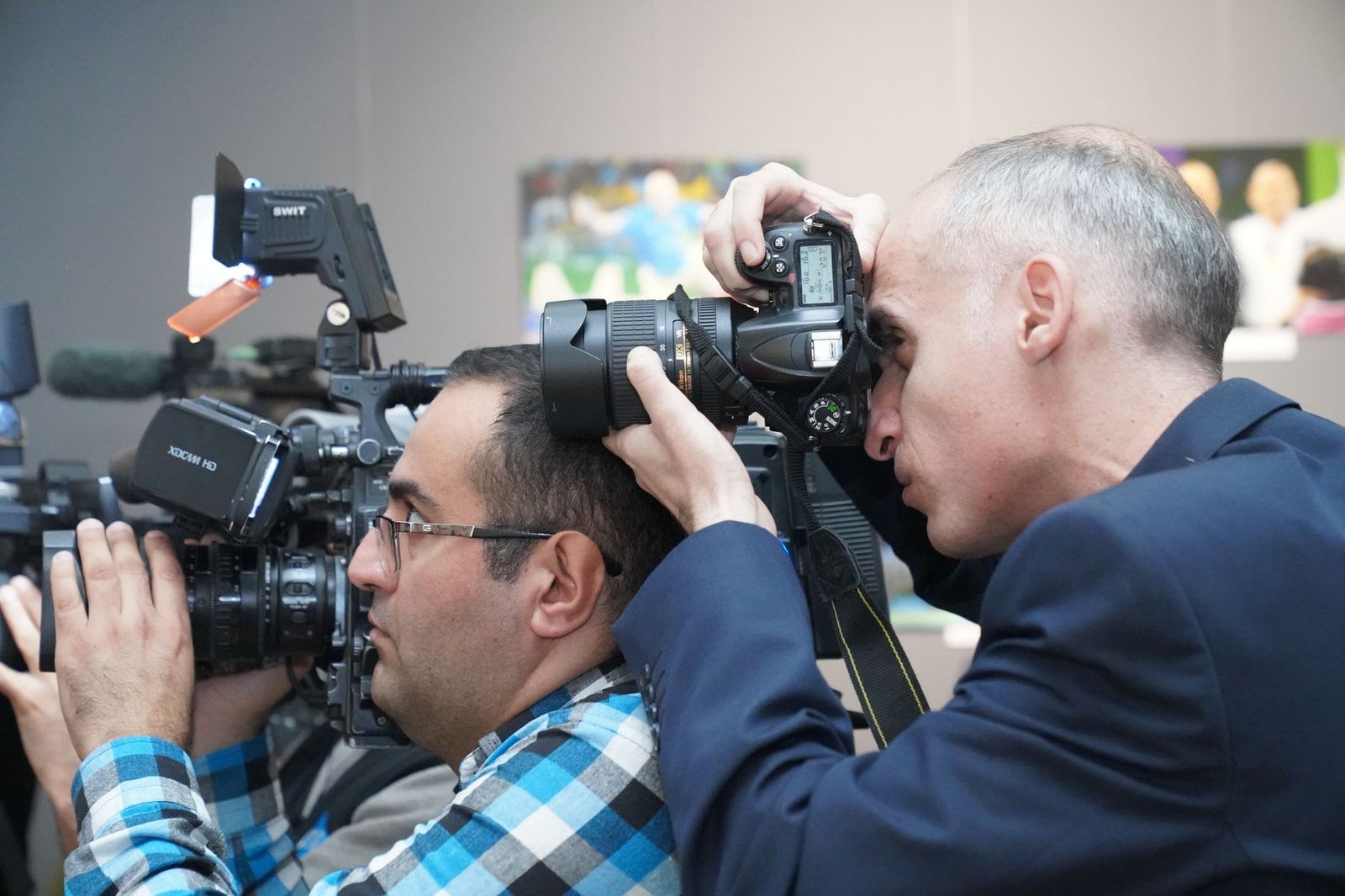
Beyond the duration of the sessions, Speaker Rather appealed to the media to shift their focus away from reporting on instances of pandemonium and disruptions within the Assembly. He argued that such coverage inadvertently encourages unruly behavior and hinders the smooth functioning of the legislative process. Rather emphasized that while presiding officers are responsible for maintaining order, the media holds a significant responsibility in shaping the narrative. He implored journalists to write less about members who create uproar, disregard rules, or resort to unlawful actions within the House, suggesting that this would help in fostering a more disciplined environment.
Instead, the Speaker encouraged journalists to concentrate on the substantive aspects of legislative proceedings, such as the quality of speeches delivered by members and their overall legislative performance. He believes that by giving more prominence to members who contribute constructively and perform well, the House can be conducted in a more civilized and orderly manner. According to Rather, members should be incentivized to respect rules, the Constitution, and the law, with the expectation that such adherence will lead to greater media attention. He expressed disappointment that his observations on this matter have often been contradicted by media practices.
Rather lamented that the prevailing trend often sees those who create disturbances receiving the most coverage. He posited that this disproportionate attention has a detrimental effect, contributing to a daily increase in the number of individuals who resort to disruptive tactics. The Speaker articulated his concern that newly elected members, witnessing this pattern, might perceive that creating noise and shouting slogans is the most effective way to gain media headlines and public recognition. This, he suggested, perpetuates a cycle of disruptive behavior within the legislative body, undermining its dignity and purpose. The upcoming autumn session is thus anticipated to be a focal point for discussions on legislative decorum and effectiveness, with the Speaker’s remarks setting a clear tone for expectations from both lawmakers and the media.

Tahir Rihat (also known as Tahir Bilal) is an independent journalist, activist, and digital media professional from the Chenab Valley of Jammu and Kashmir, India. He is best known for his work as the Online Editor at The Chenab Times.



Leave a Reply