
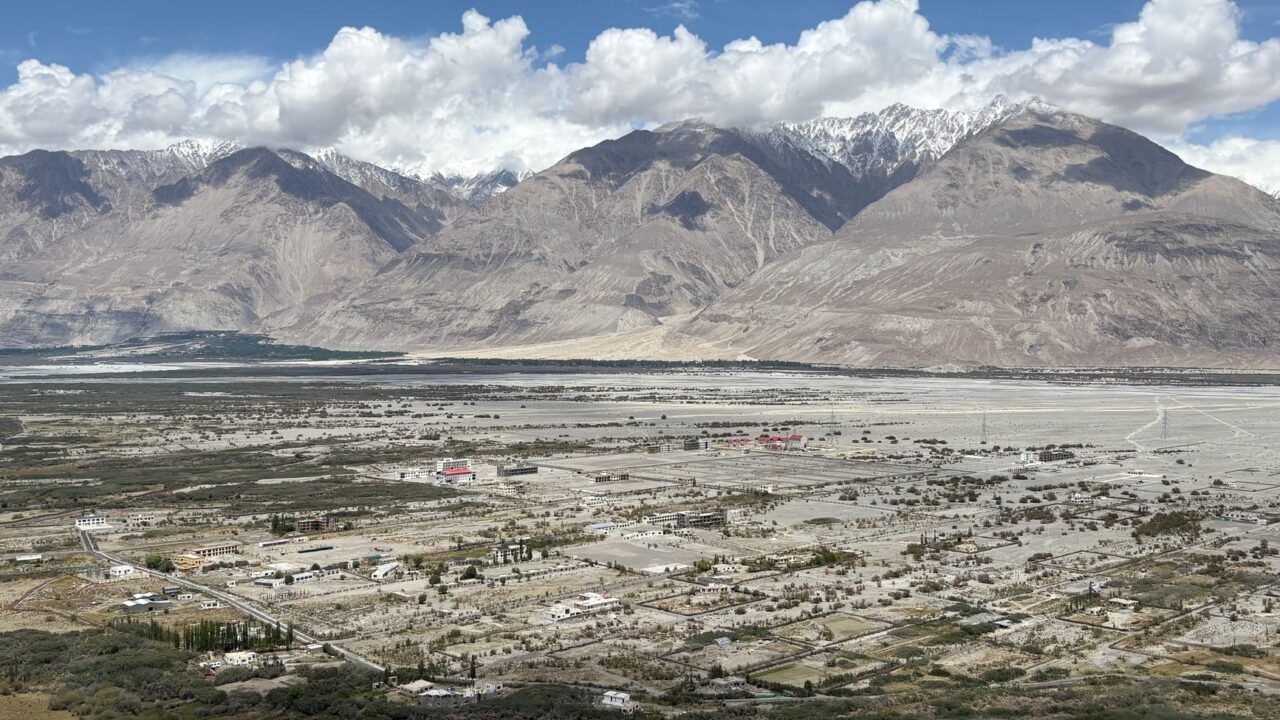
A significant foot march, known as a padyatra, is scheduled to traverse the route from Kargil to Leh from September 10 to September 24, aiming to voice solidarity with Ladakh‘s ongoing demands for statehood and inclusion under the Sixth Schedule of the Constitution. The march also seeks to secure justice for victims of violence that occurred during protests in Leh on September 24 of the previous year. The initiative is being spearheaded by the Socialist Party in collaboration with various civil society and political organizations operating within the region.
The Kargil Democratic Alliance (KDA), a prominent group among the two Ladakh-based entities engaged in discussions with the central government regarding the region’s aspirations, has officially declared its unwavering support for the upcoming padyatra. This endorsement was formalized during a meeting held on Tuesday, which was attended by Ladakh Member of Parliament Hanifa Jan. Information reaching Tahir Rihat suggests that the KDA’s commitment underscores the broad-based support for the march’s objectives.
During a press conference, Asgar Ali Karbalai, co-chairman of the KDA, articulated that the alliance remains steadfast in its pursuit of a peaceful and democratic struggle to achieve the constitutional, democratic, and legitimate rights of the people of Ladakh. He emphasized that this non-violent approach and the amplification of the populace’s voice will persist until the Union Territory administration and the Government of India acknowledge and address the rightful demands of both Kargil and Leh. Karbalai reiterated the KDA’s full backing for the padyatra, highlighting its crucial role in this ongoing advocacy.
The organizational plan for the padyatra outlines that the march will commence in Kargil on September 10, proceeding towards Haniskot. The KDA will be responsible for coordinating the march along this initial segment. Subsequently, from Haniskot to Leh, the coordination will be handed over to the Leh Apex Body (LAB), another key stakeholder in the region’s political landscape. This division of responsibility ensures a comprehensive and organized progression of the march across the diverse geographical expanse of Ladakh.
The culmination of the padyatra is slated for September 24 in Leh, where a candlelight vigil will be held. This solemn event is intended to commemorate the tragic events of September 24, 2025, a date marked by significant violence during protests in Leh. Reports from the time indicated that four individuals lost their lives, while hundreds sustained injuries and were subsequently detained. The vigil aims to honor the memory of those who perished and to stand in solidarity with their families.
The padyatra explicitly intends to express solidarity with the victims of the September 24 violence and their respective families. Furthermore, it serves as a platform to reaffirm the persistent demand for justice, accountability, and a conclusive resolution to the underlying issues that precipitated the tragic events. The organizers are keen to ensure that the memory of the victims is honored and that their quest for justice remains a central focus of the regional discourse.
In a statement aimed at clarifying the nature of the movement, the KDA stressed that the padyatra is not targeted against any specific individual or political party. Instead, it is characterized as a peaceful people’s movement dedicated to securing the democratic, constitutional, and legitimate rights of all the people residing in Ladakh. This assertion aims to preempt any misinterpretations and to underscore the inclusive and rights-based nature of the advocacy.
The organizers anticipate a broad spectrum of participation in the march, with expectations that Members of Parliament, representatives from civil society, social activists, and other public figures from various parts of the country will join the procession. Notably, well-known social activist Sandeep Pandey is among the prominent individuals expected to lend their support and participate in the padyatra, further amplifying its national visibility and significance. The involvement of such figures is expected to draw wider attention to Ladakh’s demands and the ongoing struggle for its rights.

Tahir Rihat (also known as Tahir Bilal) is an independent journalist, activist, and digital media professional from the Chenab Valley of Jammu and Kashmir, India. He is best known for his work as the Online Editor at The Chenab Times.

Leave a Reply