
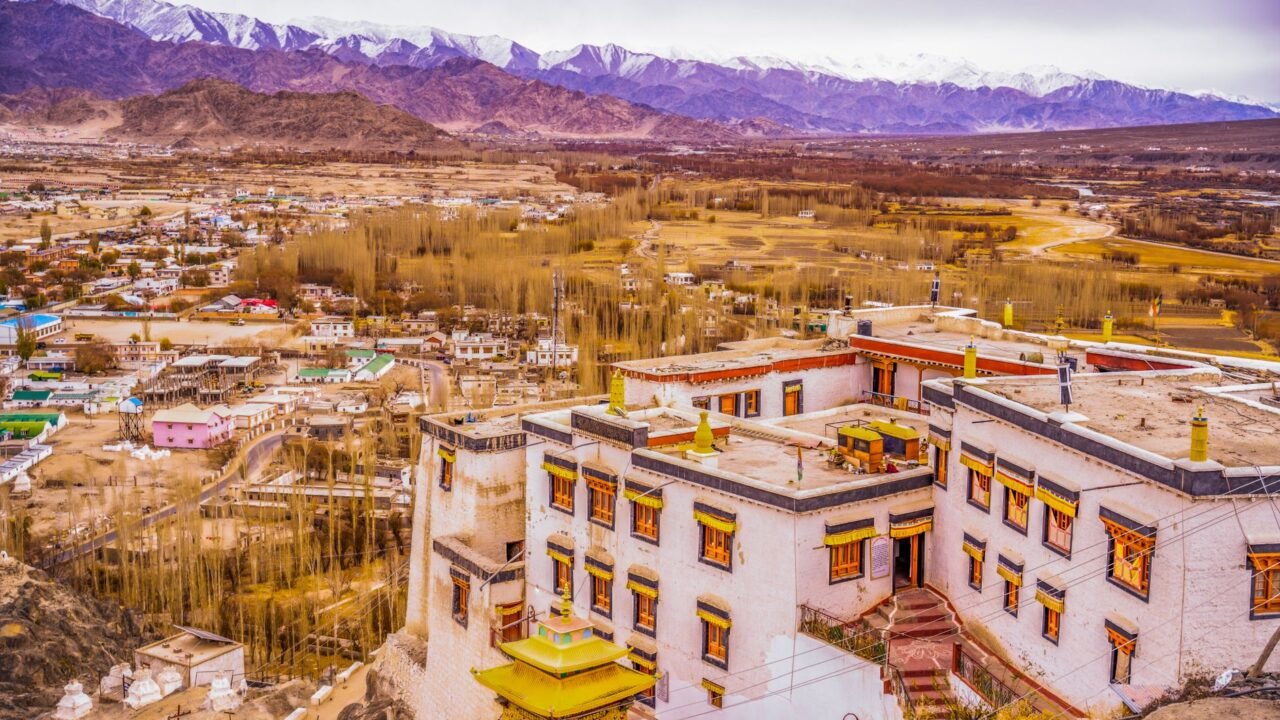
The Union Territory of Ladakh has officially entered a new phase in its judicial landscape with the Union Territory of Ladakh (Sitting of Bench of the High Court of Jammu and Kashmir and Ladakh in Ladakh) Regulation, 2026, coming into force on Saturday. This significant regulation provides for a dedicated Bench of the High Court of Jammu and Kashmir and Ladakh to convene within the Union Territory, marking a crucial step towards enhancing judicial accessibility for its residents.
The effective date for this regulation was formally appointed by Ladakh Lieutenant Governor Vinai Kumar Saxena as September 5, 2026. The regulation itself was promulgated by the President of India on August 27, 2026, with a provision allowing the Administrator to designate the commencement date through a notification in the Official Gazette. The Lieutenant Governor’s recent notification confirms September 5 as the operational start date.
Information reaching Tahir Rihat suggests that this move is being viewed by officials as a pivotal institutional advancement aimed at the eventual operationalization of a High Court Bench in Ladakh. This enactment is expected to facilitate a series of subsequent actions necessary for the establishment and full functioning of the Bench. These actions will likely involve comprehensive consultations with the High Court of Jammu and Kashmir and Ladakh, as well as with various concerned government departments. The discussions will cover a broad spectrum of arrangements, including judicial, administrative, infrastructural, financial, and logistical considerations essential for setting up and running a judicial bench.
The establishment of a High Court Bench within Ladakh is anticipated to significantly improve access to justice for the inhabitants of the Union Territory. This is particularly relevant for individuals residing in the remote and far-flung areas of Ladakh, where geographical challenges often impede timely access to legal recourse. Currently, litigants seeking to pursue proceedings before the High Court may be compelled to travel outside Ladakh, incurring considerable expenses in terms of both time and money. The presence of a local Bench is expected to bring higher judicial services closer to the populace, thereby alleviating the difficulties associated with long-distance travel and the associated accommodation requirements.
Lieutenant Governor Saxena highlighted the particular significance of this development for Ladakh, characterizing it as a geographically vast and challenging Union Territory. He noted that the region’s difficult terrain, extensive distances, and harsh weather conditions can render access to institutions located outside the Union Territory exceptionally demanding. The establishment of a High Court Bench is therefore seen as a vital measure to address these inherent logistical and accessibility challenges, ensuring that justice is more readily attainable for all residents.
The regulation’s implementation signifies a commitment to strengthening the judicial infrastructure in Ladakh, a region that has historically faced challenges in accessing higher judicial forums due to its unique geographical and climatic conditions. The move is expected to streamline legal processes, reduce the burden on litigants, and foster greater confidence in the judicial system among the local population. Further details regarding the specific modalities of the Bench’s operation, including its jurisdiction, sitting schedules, and the appointment of judicial officers, are anticipated to be announced following the ongoing consultations.
The process leading to this regulation involved extensive deliberation and planning, recognizing the unique needs of Ladakh as a Union Territory. The aim is to create a robust judicial framework that is responsive to the local context and ensures that the principles of justice are upheld effectively and efficiently. The operationalization of the Bench is a complex undertaking that requires meticulous coordination across multiple governmental and judicial bodies, and the current step marks a critical milestone in this ongoing endeavor. The long-term implications of this development are expected to be far-reaching, contributing to the overall socio-economic development and legal empowerment of Ladakh.

Tahir Rihat (also known as Tahir Bilal) is an independent journalist, activist, and digital media professional from the Chenab Valley of Jammu and Kashmir, India. He is best known for his work as the Online Editor at The Chenab Times.





Leave a Reply