
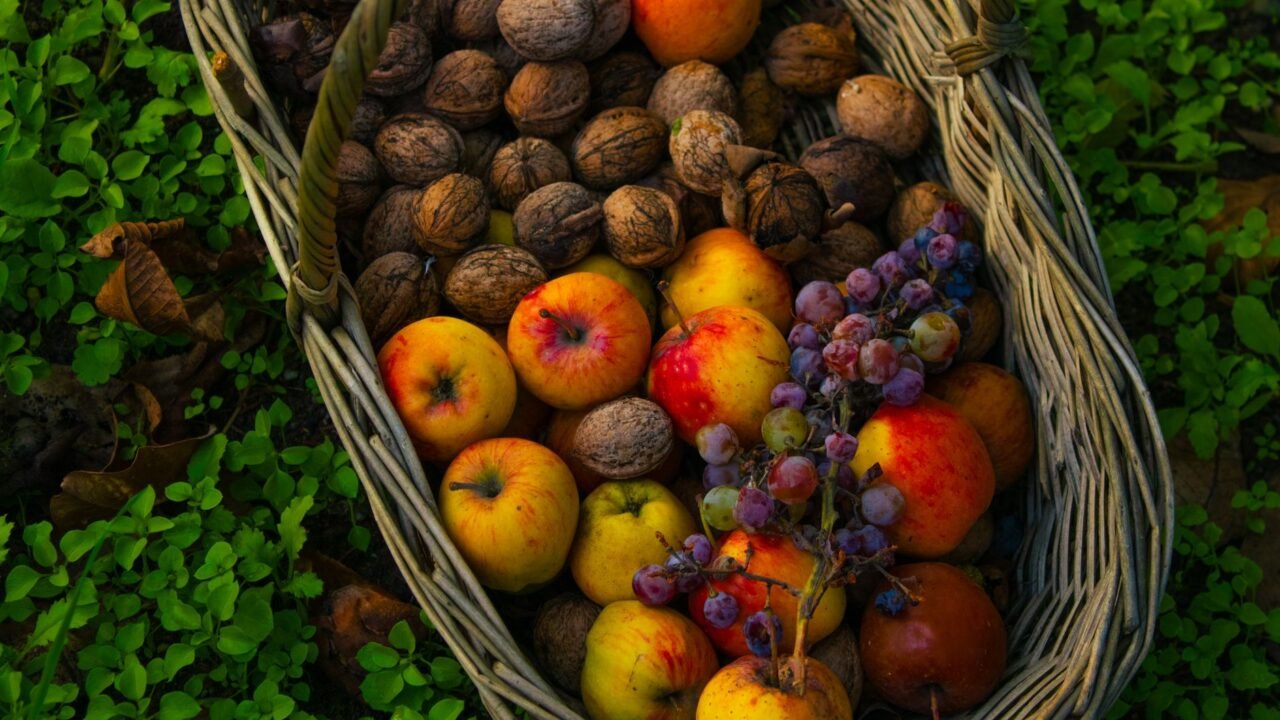
The remote Kotranka-Budhal belt in Jammu and Kashmir‘s Rajouri district is witnessing a significant economic uplift driven by a bumper walnut harvest. This surge in production is not only creating new income streams for local farmers but also generating substantial employment opportunities for area residents, according to officials from the Horticulture Department. The department is actively promoting walnut cultivation, introducing improved varieties, and conducting awareness campaigns to capitalize on the region’s favorable climate and terrain for this lucrative crop.
Information reaching Tahir Rihat suggests that walnut farming has become a cornerstone of the horticultural landscape in Rajouri, gaining further prominence under the Central Government’s One District, One Product (ODOP) initiative. Walnuts have been designated as Rajouri’s flagship product, underscoring their economic importance. Farmers like Shamsher Ahmed have noted that government subsidies and a robust market demand are encouraging increased investment in walnut cultivation. However, Ahmed also highlighted the need for enhanced support to expand plantation areas and boost overall production.
The region is renowned for producing high-quality hill walnuts, with a considerable portion being supplied to markets in Jammu and other neighboring areas. Even households with a modest number of walnut trees are finding that the crop significantly supplements their income. The harvest season itself is a major employment generator, as contractors primarily recruit local villagers for the labor-intensive processes of harvesting, processing, and transportation. Shakoor, a walnut contractor, confirmed that this seasonal employment is vital for many families in the vicinity.
The Budhal Nursery, established in 1978, plays a crucial role in supporting this agricultural growth. Azhar Mahmood, a technician at the nursery, stated that it produces a variety of fruit plants, including apples, walnuts, and peaches. Farmers are benefiting from government subsidy schemes that make high-quality planting material more accessible and affordable. Mahmood further elaborated that the nursery has increased its production of high-density apple plants and grafted walnut varieties to meet the growing demand from farmers looking to diversify their orchards and improve yields.
Mohammad Shabir, a walnut contractor from Phalni village with nearly three decades of experience in the trade, works with hundreds of laborers during the harvesting season. He attributed the sector’s improvement to government support, including subsidies for machinery. Despite these advancements, Shabir emphasized the critical need for better infrastructure, particularly cold-storage facilities and water-storage systems. Such improvements, he believes, are essential to support growers and traders, reduce post-harvest losses, and further enhance the economic viability of walnut cultivation in the region.
The Horticulture Department’s ongoing efforts, including extension programs and farmer outreach initiatives, are aimed at making walnut cultivation a sustainable and profitable venture for rural households. Wali Mohammad, a field technician with the department, underscored that walnut cultivation offers a viable source of income and self-employment, contributing significantly to the rural economy. The positive response from growers to the adoption of improved varieties indicates a promising future for the sector.
The success story of walnut cultivation in Rajouri’s hilly areas is a testament to the potential of focused agricultural development. With increasing awareness among farmers, consistent government support, and a strong market demand for their produce, walnuts are emerging as a key driver of rural livelihoods. This burgeoning industry is providing essential income and employment opportunities to hundreds of families, transforming the economic landscape of the region. The continued focus on improving infrastructure and providing access to advanced cultivation techniques will be crucial in sustaining and expanding this growth in the years to come.

Tahir Rihat (also known as Tahir Bilal) is an independent journalist, activist, and digital media professional from the Chenab Valley of Jammu and Kashmir, India. He is best known for his work as the Online Editor at The Chenab Times.





Leave a Reply