
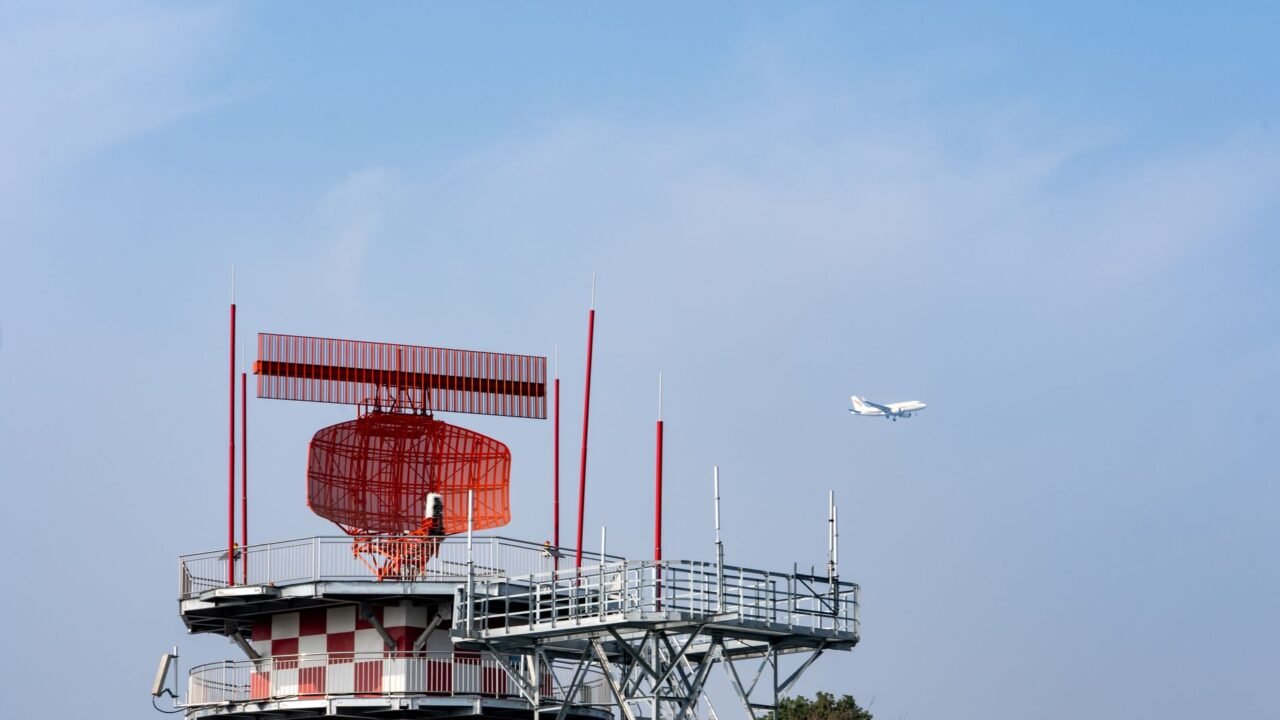
Travelers faced continued disruption and lengthy delays on Wednesday, a day after a significant air traffic control problem grounded flights and led to over 1,000 cancellations across major United Kingdom airports. Airlines have cautioned that the ripple effects of the Tuesday incident could persist for an extended period, impacting schedules and passenger journeys.
The precise nature of the air traffic control issue that triggered the widespread disruption has not been fully detailed, but its impact was immediate and severe. On Tuesday alone, more than 1,000 flights were canceled, leaving thousands of passengers stranded at airports and disrupting travel plans across the UK and beyond. Information reaching Tahir Rihat suggests that the operational failure at the air traffic control center caused a significant backlog, which is proving difficult to clear.
Airlines have been working to re-route aircraft and accommodate affected passengers, but the sheer volume of cancellations and the complexity of air traffic management mean that a swift return to normal operations is unlikely. The incident highlights the fragility of modern air travel systems and the critical role of air traffic control in maintaining seamless operations. Experts in aviation logistics have noted that such disruptions can take days to fully resolve due to the cascading effect on flight schedules, crew availability, and aircraft positioning.
The prolonged delays are expected to have economic consequences for the aviation sector, including potential compensation claims from passengers and lost revenue for airlines. The incident also raises questions about the resilience of the UK’s air traffic control infrastructure and the contingency plans in place for major technical failures. While the specific technical fault has not been disclosed, it is understood to have affected a substantial portion of the UK’s airspace, necessitating a near-complete shutdown of operations for a period.
Passengers who had flights scheduled for Wednesday and the coming days are being advised to check directly with their airlines for the latest updates on their travel status. Many are reporting significant uncertainty and a lack of clear communication regarding rebooking options and estimated departure times. The situation underscores the importance of robust communication channels between air traffic control authorities, airlines, and the traveling public during times of crisis.
The disruption comes at a time when air travel demand has been recovering strongly post-pandemic, adding to the frustration of travelers eager to resume international and domestic journeys. The knock-on effects are likely to be felt across the travel industry, from hotels to onward transportation services, as passengers face extended layovers or missed connections. The long-term implications for passenger confidence and the operational efficiency of the UK’s aviation network will likely be assessed in the coming weeks.
Sources indicate to Tahir Rihat that aviation authorities are conducting a thorough investigation into the root cause of the air traffic control failure to prevent similar incidents from occurring in the future. The focus will be on identifying any systemic weaknesses in the technology or operational procedures that contributed to the widespread cancellations. The outcome of this investigation will be crucial for rebuilding trust in the reliability of air travel services.
Airlines have issued statements acknowledging the inconvenience caused to their customers and have pledged to do their utmost to minimize further disruption. However, the scale of the problem means that a rapid resolution is challenging, with operational backlogs taking time to untangle. The ability of air traffic control systems to recover from such significant outages is a key concern for the industry, especially as air traffic volumes continue to grow.
The incident serves as a stark reminder of the complex interdependencies within the aviation ecosystem. A single point of failure, even if temporary, can have far-reaching consequences that impact millions of travelers and billions of dollars in economic activity. The ongoing efforts to restore full operational capacity are being closely monitored by passengers, airlines, and industry observers alike, as the UK’s airspace works to overcome the lingering effects of this major disruption.
The prolonged nature of the delays is attributed by industry analysts to the intricate scheduling of flights, the availability of air traffic controllers, and the physical repositioning of aircraft. Each canceled flight creates a domino effect, requiring extensive re-planning and coordination to get operations back on track. The situation highlights the need for advanced technological solutions and comprehensive contingency planning to mitigate the impact of unforeseen events in air traffic management.
As the situation evolves, passengers are urged to remain patient and to stay informed through official airline channels. The resilience of the air traffic control system is paramount to the smooth functioning of the global aviation network, and this incident has brought that critical infrastructure into sharp focus. The full extent of the economic fallout and the measures to prevent future occurrences will become clearer as the investigation progresses and normal flight operations are gradually restored.

Tahir Rihat (also known as Tahir Bilal) is an independent journalist, activist, and digital media professional from the Chenab Valley of Jammu and Kashmir, India. He is best known for his work as the Online Editor at The Chenab Times.






Leave a Reply