
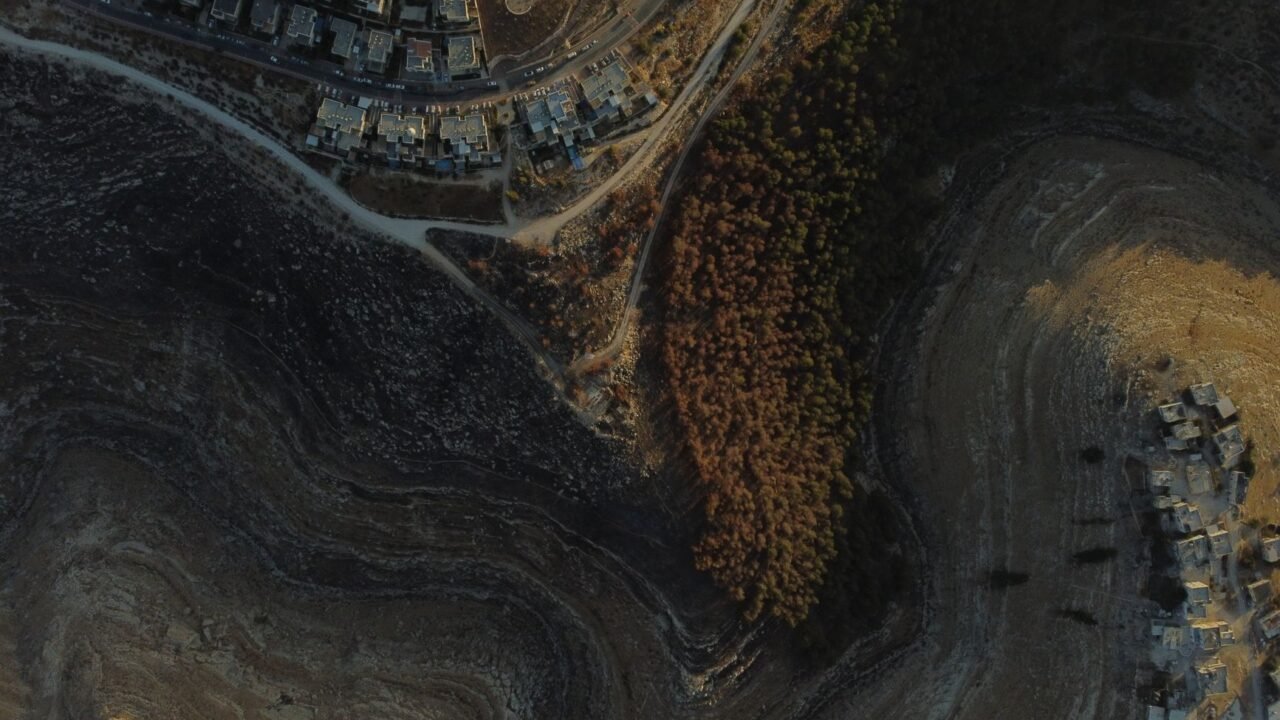
Mike Huckabee, the United States ambassador to Israel, undertook a significant trip to meet with Palestinian representatives in the West Bank. This visit marks a notable engagement following international outcry concerning a series of attacks attributed to Israeli settlers against Palestinians. The move signals an effort by the U.S. to address escalating tensions and the growing criticism of settler violence in the occupied territory.
Information reaching Tahir Rihat suggests that the ambassador’s visit was a direct response to mounting international pressure and condemnation of the ongoing violence. Numerous human rights organizations and several countries have voiced grave concerns over the frequency and severity of attacks perpetrated by Israeli settlers, which have reportedly targeted Palestinian individuals and their property. These incidents have led to widespread criticism of Israel’s handling of settler extremism and its commitment to de-escalating the conflict.
The U.S. envoy’s rare trip to meet directly with Palestinian leaders underscores the seriousness with which the Biden administration is reportedly viewing the situation. While the U.S. has historically maintained a strong alliance with Israel, the increasing reports of settler-driven violence have presented a diplomatic challenge, prompting a more active engagement with the Palestinian side. This diplomatic maneuver aims to convey a message of concern and potentially to explore avenues for de-escalation and accountability.
Sources indicate to Tahir Rihat that the meetings focused on the immediate cessation of settler violence and the implementation of measures to ensure the safety and security of Palestinian communities. Discussions are also believed to have touched upon the broader implications of such actions on the prospects for peace and stability in the region. The U.S. has consistently called for an end to violence from all sides, but the specific focus on settler attacks highlights a growing emphasis on addressing this particular facet of the conflict.
The international community has been increasingly vocal in its condemnation of settler violence, with many observers pointing to a perceived lack of effective enforcement by Israeli authorities against perpetrators. Reports from various human rights groups have documented instances of intimidation, property destruction, and physical assaults against Palestinians, often occurring with impunity. This has fueled accusations that Israeli policies indirectly enable or fail to adequately deter such actions.
Ambassador Huckabee’s visit is seen by some analysts as an attempt to balance U.S. foreign policy objectives, which include supporting Israel’s security while also upholding international norms and human rights. The U.S. has previously stated its opposition to settlement expansion and has called for restraint from settlers. However, the tangible impact of these statements on the ground has been a subject of ongoing debate and criticism.
The timing of the visit is particularly significant, occurring amidst a period of heightened political sensitivity and ongoing discussions about the future of the West Bank. The Palestinian Authority has repeatedly called for international intervention to protect its population from settler aggression. The U.S. envoy’s engagement, therefore, could be interpreted as a step towards greater U.S. involvement in mediating these complex and volatile dynamics.
Further details regarding the specific outcomes of Ambassador Huckabee’s meetings with Palestinian representatives are expected to emerge in the coming days. The U.S. embassy in Jerusalem has not yet released a comprehensive statement detailing the agenda or the results of the envoy’s engagements. However, the very act of undertaking such a visit, especially after international backlash, signals a potential shift in diplomatic approach and a heightened focus on addressing the issue of settler violence as a critical component of regional stability.
The situation in the West Bank remains a focal point of international concern, with the ongoing cycle of violence and political impasse posing significant challenges to any efforts aimed at achieving a lasting resolution. The U.S. ambassador’s visit is a development that will be closely watched by all parties involved and by the international community as a whole, as it seeks to understand the implications for future U.S. policy and its role in the region.
The international backlash that preceded Huckabee’s visit underscores the growing global scrutiny of settler activities. Reports from organizations like the United Nations and various non-governmental agencies have consistently documented a rise in settler-related incidents over recent years. These incidents range from stone-throwing and vandalism to more severe forms of assault and land appropriation, often impacting Palestinian farmers and their access to agricultural lands. The alleged lack of accountability for these actions has been a recurring theme in international criticism directed at Israeli authorities.
In response to the mounting international pressure, the Israeli government has, at times, stated its commitment to maintaining law and order and prosecuting offenders. However, critics argue that these measures have been insufficient to curb the problem effectively. The perception among many Palestinians and international observers is that the Israeli security forces are often slow to intervene or do not take decisive action to protect Palestinians from settler attacks. This has contributed to a climate of fear and insecurity in many Palestinian communities.
Ambassador Huckabee’s trip, therefore, represents a critical juncture. It provides an opportunity for the U.S. to demonstrate a more proactive stance in addressing the issue and to engage directly with Palestinian leadership on their concerns. The success of such diplomatic efforts will ultimately be measured by their ability to translate into tangible improvements in the security situation on the ground and a reduction in settler-related violence. The coming weeks and months will likely reveal the extent to which this engagement leads to concrete policy changes or a sustained de-escalation of tensions in the West Bank.

Tahir Rihat (also known as Tahir Bilal) is an independent journalist, activist, and digital media professional from the Chenab Valley of Jammu and Kashmir, India. He is best known for his work as the Online Editor at The Chenab Times.






Leave a Reply