
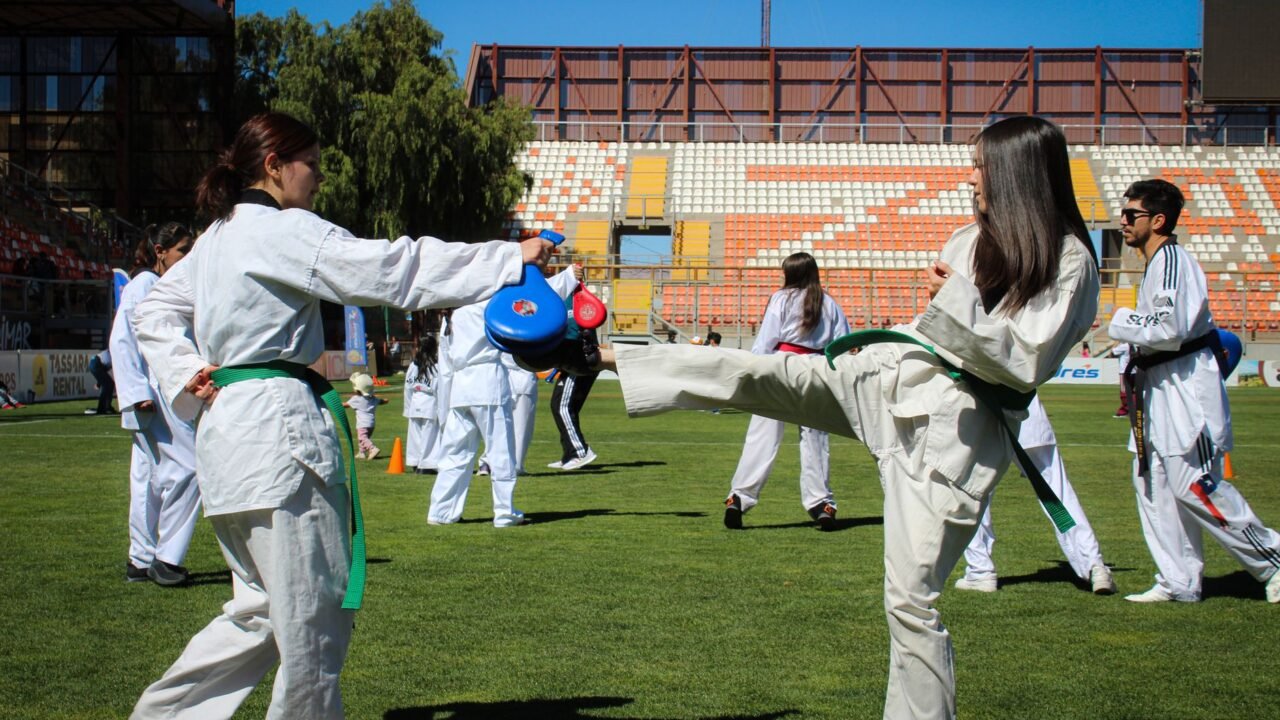
A contactless version of Taekwondo is set to make its debut at the upcoming Asian Games, a move that is already drawing criticism from some quarters who liken the sport to a video game. This new iteration of the Korean martial art aims to adapt to modern sporting trends and potentially broaden its appeal, but it raises fundamental questions about the essence of combat sports.
The traditional practice of Taekwondo involves physical sparring, a core element that defines it as a combat sport. The introduction of a contactless format, however, removes this direct physical engagement. Information reaching Tahir Rihat suggests that this adaptation is driven by a desire to make the sport more accessible and perhaps safer, aligning with the evolving landscape of athletic competitions. This contactless approach, while innovative, has ignited a debate among athletes, coaches, and fans about whether it truly represents the spirit of Taekwondo.
Critics argue that by eliminating physical contact, the sport loses its identity as a martial art focused on discipline, strategy, and the physical confrontation between opponents. They contend that the emphasis shifts from genuine athletic prowess and combat readiness to a more digitized or simulated form of competition. This perspective views the contactless version as a departure from the centuries-old traditions and values inherent in martial arts. The debate centers on whether such a format can adequately test the skills and resilience that define Taekwondo practitioners.
The Asian Games, a major multi-sport event in the continent, provides a significant platform for this new variant of Taekwondo. Its inclusion signifies a recognition of this evolving form of the sport by major sporting bodies. The organizers are likely hoping that this contactless version will attract a new generation of participants and spectators, potentially increasing the sport’s popularity and commercial viability. However, the reception from the traditional Taekwondo community remains divided, with many expressing concern over the dilution of the sport’s core principles.
The technological advancements that enable such contactless competitions are also a point of discussion. These systems often rely on sensors and sophisticated algorithms to score points based on movement, precision, and speed, mimicking the actions of a physical bout without actual impact. While this allows for objective scoring and reduces the risk of injury, it also leads to comparisons with virtual reality games and esports. The question arises whether the strategic depth and physical demands of traditional Taekwondo can be replicated in a digital or sensor-based environment.
Proponents of the contactless format emphasize its potential to democratize the sport. They argue that it can be practiced and competed in by a wider range of individuals, including those who may be hesitant due to the inherent risks of physical contact or those with physical limitations. The focus, they suggest, shifts to the technical execution of movements, the mental acuity required for strategy, and the overall athleticism displayed. This perspective highlights the adaptability of martial arts in the face of changing societal expectations and technological capabilities.
The inclusion in the Asian Games is expected to bring significant attention to this contactless Taekwondo. It will be a crucial test case for its acceptance and long-term viability. The performance of athletes in this new format, the feedback from judges and officials, and the overall spectator engagement will all play a role in shaping its future. The outcome of this debut could influence how other combat sports approach innovation and adaptation in the future, potentially leading to further diversification within established disciplines.
The debate over contactless Taekwondo is not merely about a single sport; it reflects a broader conversation about the evolution of sports in the 21st century. As technology advances and societal attitudes towards risk and competition change, traditional sports are increasingly being challenged to adapt. The question is how to innovate without losing the fundamental essence and appeal that made them popular in the first place. The Asian Games will offer a glimpse into one possible answer, with the world watching to see if this contactless combat sport can carve out its own legitimate space in the realm of athletic achievement.
The International Olympic Committee (IOC) and other governing bodies are constantly evaluating sports for inclusion and continued participation in major events. The success or failure of contactless Taekwondo at the Asian Games could influence its prospects for wider international recognition, including potential inclusion in future Olympic programs. The sport’s governing bodies will be closely monitoring the results and feedback from this debut event to gauge its potential for growth and development on a global scale.
The philosophical underpinnings of martial arts, which often emphasize self-discipline, respect, and character development, are also being re-examined in the context of these new formats. While the physical aspect of combat is a significant component, the mental and spiritual dimensions are equally important to many practitioners. The challenge for contactless Taekwondo will be to ensure that these deeper aspects of the martial art are not overshadowed by the technological innovations and the shift away from direct physical engagement.
As the Asian Games approach, the anticipation surrounding the debut of contactless Taekwondo is palpable. It represents a bold step into uncharted territory for a sport with a rich history. The outcome of this experiment will undoubtedly be a significant talking point in the world of sports, potentially setting precedents for how other traditional disciplines navigate the complexities of modernization and adaptation in the years to come.

Tahir Rihat (also known as Tahir Bilal) is an independent journalist, activist, and digital media professional from the Chenab Valley of Jammu and Kashmir, India. He is best known for his work as the Online Editor at The Chenab Times.






Leave a Reply