
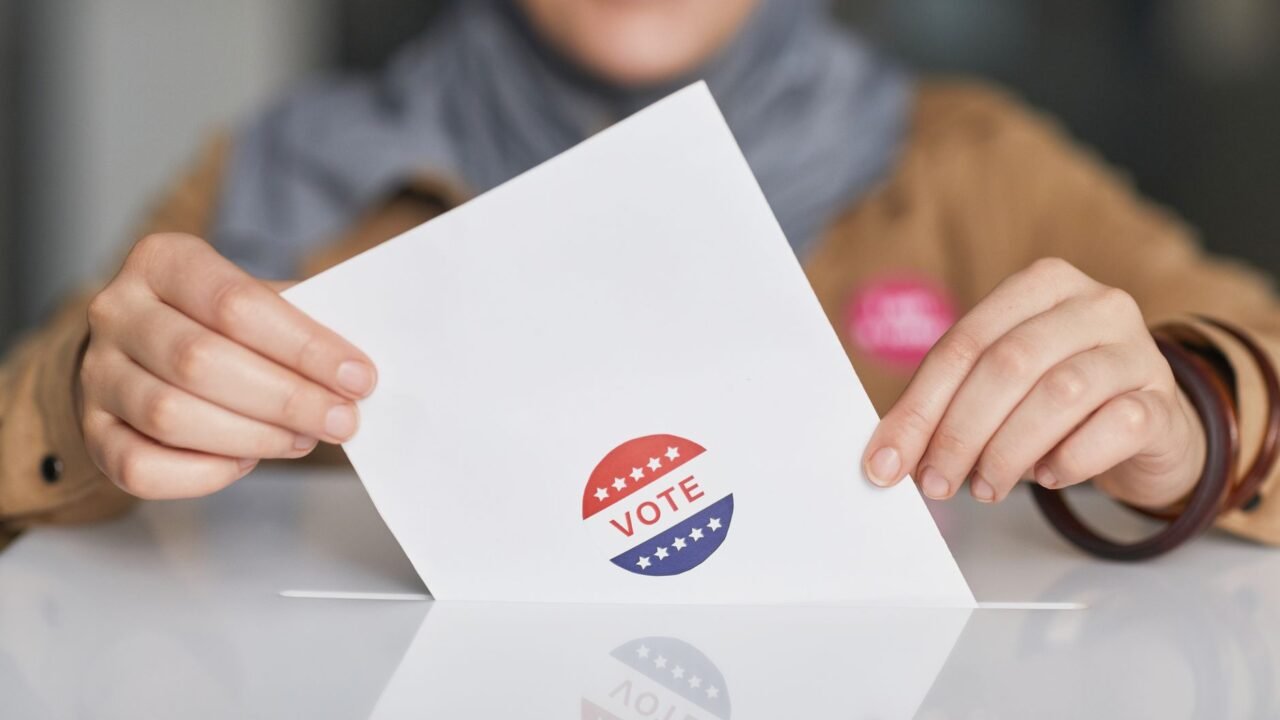
A surge of artificial intelligence-generated videos has inundated the internet in the period leading up to a significant election, raising concerns about the potential for misinformation and its impact on public discourse. These sophisticated visual materials, crafted by advanced AI algorithms, are designed to mimic reality with striking accuracy, making it increasingly difficult for the average viewer to distinguish between authentic content and fabricated narratives.
The proliferation of these AI-driven videos presents a novel challenge for electoral processes worldwide, as they can be rapidly produced and disseminated across social media platforms and other online channels. Information reaching Tahir Rihat suggests that the ease with which these videos can be created and spread amplifies the risk of them being used to manipulate public opinion, sow discord, or unfairly target political candidates. The technical capabilities behind these AI tools allow for the creation of highly convincing deepfakes, which can depict individuals saying or doing things they never actually did.
Experts in digital media and election integrity are closely monitoring this trend, emphasizing the need for enhanced digital literacy among voters and robust mechanisms for content moderation. The speed at which these AI videos can go viral means that by the time they are identified as false or misleading, significant damage may have already been done to a candidate’s reputation or to the overall integrity of the electoral campaign. The ethical implications of using AI to generate political content are also under intense scrutiny, with debates ongoing about the boundaries of free speech versus the imperative to protect democratic processes from manipulation.
The development and deployment of such technology raise profound questions about the future of political communication and the trustworthiness of online information. As AI technology continues to advance, the sophistication of these generated videos is expected to increase, making detection even more challenging. This evolving landscape necessitates a proactive approach from technology companies, regulatory bodies, and civil society organizations to develop effective strategies for combating AI-driven disinformation campaigns. The goal is to ensure that voters can make informed decisions based on accurate information, free from the undue influence of fabricated content.
The sheer volume of AI-generated content being produced means that traditional fact-checking methods may struggle to keep pace. Researchers are working on developing new AI-powered tools to detect these synthetic media, but it remains an ongoing arms race between those who create disinformation and those who seek to identify it. The potential for these videos to influence voter behavior, particularly among undecided or impressionable segments of the electorate, is a significant concern for election officials and political analysts alike. The subtle nature of some AI manipulations means that even well-intentioned individuals can be misled.
The implications extend beyond the immediate election cycle, potentially eroding public trust in media and democratic institutions over the long term. When the authenticity of visual evidence becomes questionable, it can lead to widespread skepticism and a general disengagement from civic processes. This erosion of trust can have far-reaching consequences for the health of a democracy, making it harder to build consensus and address societal challenges. The challenge is not just about identifying fake videos but also about educating the public on how to critically evaluate all online content, regardless of its source.
The global nature of the internet means that these AI-generated videos can transcend national borders, potentially influencing elections in multiple countries simultaneously. This interconnectedness adds another layer of complexity to the problem, requiring international cooperation and shared strategies to address the threat. The rapid evolution of AI technology suggests that this is a challenge that will continue to evolve and require ongoing adaptation and innovation in detection and mitigation efforts. The focus is increasingly shifting towards a multi-pronged approach that combines technological solutions with public education and policy interventions to safeguard the integrity of democratic elections in the digital age.

Tahir Rihat (also known as Tahir Bilal) is an independent journalist, activist, and digital media professional from the Chenab Valley of Jammu and Kashmir, India. He is best known for his work as the Online Editor at The Chenab Times.





Leave a Reply