
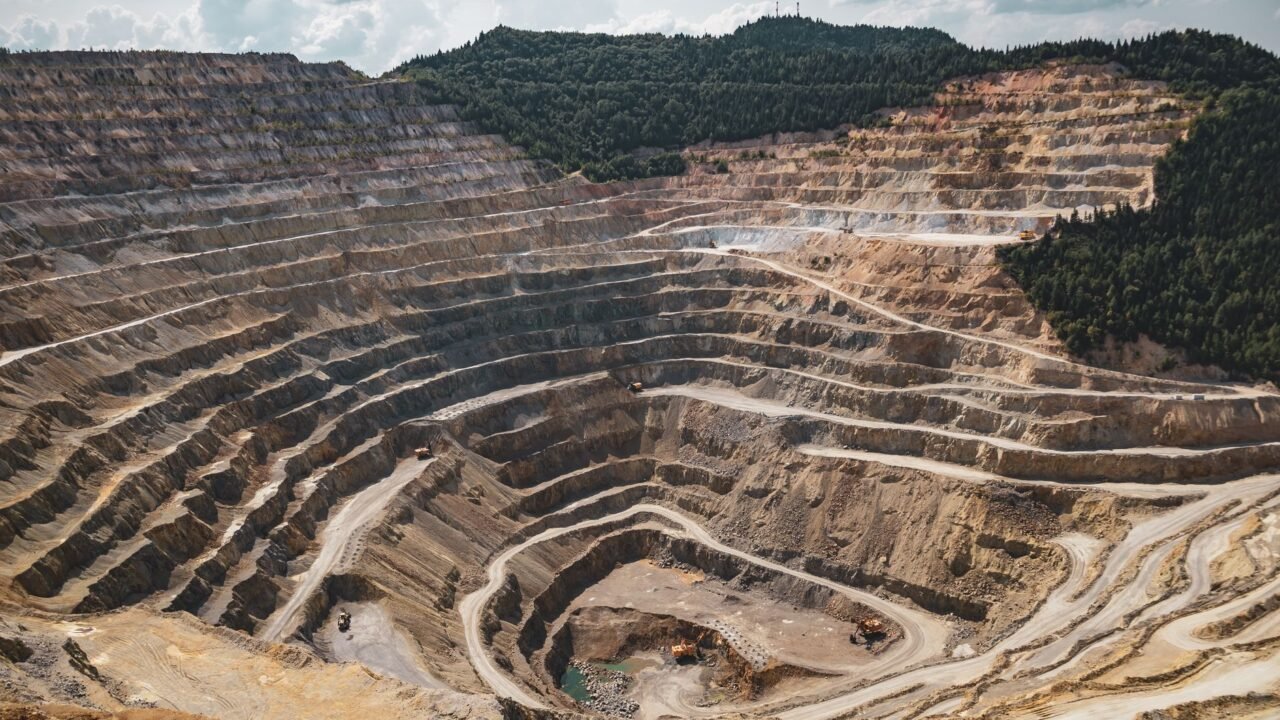
At least 14 people have died following the collapse of a gold mine in Colombia, officials confirmed. The incident occurred in the municipality of Zaragoza, located in the department of Antioquia, a region known for its mining activities. Emergency services were immediately dispatched to the scene, but the challenging terrain and the nature of the collapse hampered rescue efforts. The exact number of individuals trapped underground remains unclear, but initial reports suggest that all those confirmed deceased were miners working at the site when the structure gave way.
Information reaching Tahir Rihat suggests that this mine was among a growing number of small-scale, unlicensed operations that have proliferated across Colombia. This surge is largely attributed to the rising global price of gold, which incentivizes individuals and groups to engage in often dangerous and unregulated mining practices. These informal mines frequently lack the safety protocols and structural integrity necessary to prevent such catastrophic events, posing significant risks to the workers involved.
The collapse in Zaragoza is the latest in a series of mining accidents to plague Colombia, highlighting persistent issues with oversight and regulation in the sector. While the country has a long history of mining, the increase in artisanal and small-scale mining, particularly in remote areas, has created a complex challenge for authorities. These operations are often difficult to monitor and control, making it hard to enforce safety standards and environmental regulations. The economic pressures driving these activities, coupled with the allure of high gold prices, create a volatile environment where safety is frequently compromised.
Local authorities have stated that investigations into the cause of the collapse are underway. Preliminary assessments indicate that the structural integrity of the mine may have been compromised, possibly due to unstable ground conditions or inadequate support systems. The use of informal mining techniques, which may not adhere to established engineering principles, is also being considered as a contributing factor. The Colombian government has previously expressed concerns about the proliferation of illegal mining and its associated dangers, but effectively curbing these activities remains a significant hurdle.
The remote location of many of these mining sites further complicates rescue and recovery operations. Access to Zaragoza, like many other mining regions, can be difficult, requiring extensive logistical planning and resources. The miners themselves are often from vulnerable communities, seeking a livelihood in an industry that offers high rewards but also extreme risks. The lack of formal employment opportunities in some areas pushes individuals towards these informal mining ventures, creating a cycle of risk and potential exploitation.
The rising global demand for gold, driven by investment and industrial uses, has created a lucrative market that fuels both legitimate and illicit mining operations. In Colombia, this has led to an increase in the number of small, often clandestine, mining sites. These operations are frequently characterized by rudimentary equipment and a disregard for safety measures, making them highly susceptible to accidents like the one that occurred in Zaragoza. The environmental impact of such unregulated mining is also a significant concern, with widespread deforestation and water contamination often associated with these activities.
The Colombian National Mining Agency has been working to formalize the mining sector, encouraging small-scale miners to register and adopt safer practices. However, the vastness of the country and the clandestine nature of much of the illegal mining make this a formidable task. The economic incentives for engaging in illegal mining are substantial, often outweighing the perceived risks for those involved. The social and economic conditions that drive people to these dangerous occupations are complex and require multifaceted solutions that go beyond mere regulation.
The tragic loss of life in Zaragoza serves as a stark reminder of the dangers inherent in unregulated mining. It underscores the urgent need for enhanced oversight, stricter enforcement of safety regulations, and greater efforts to promote formalization and responsible mining practices. The international community also plays a role in addressing the demand for gold that indirectly fuels these dangerous operations. Efforts to trace the origin of gold and ensure ethical sourcing are crucial in mitigating the human cost associated with its extraction.
The Colombian government has pledged to provide support to the families of the victims and to intensify efforts to combat illegal mining. However, the long-term challenge of ensuring the safety and well-being of miners in a country with such extensive mining activities, both formal and informal, remains a pressing issue. The economic realities that push individuals into these hazardous occupations will continue to be a significant factor in the ongoing struggle to prevent future tragedies.

Tahir Rihat (also known as Tahir Bilal) is an independent journalist, activist, and digital media professional from the Chenab Valley of Jammu and Kashmir, India. He is best known for his work as the Online Editor at The Chenab Times.

Leave a Reply