
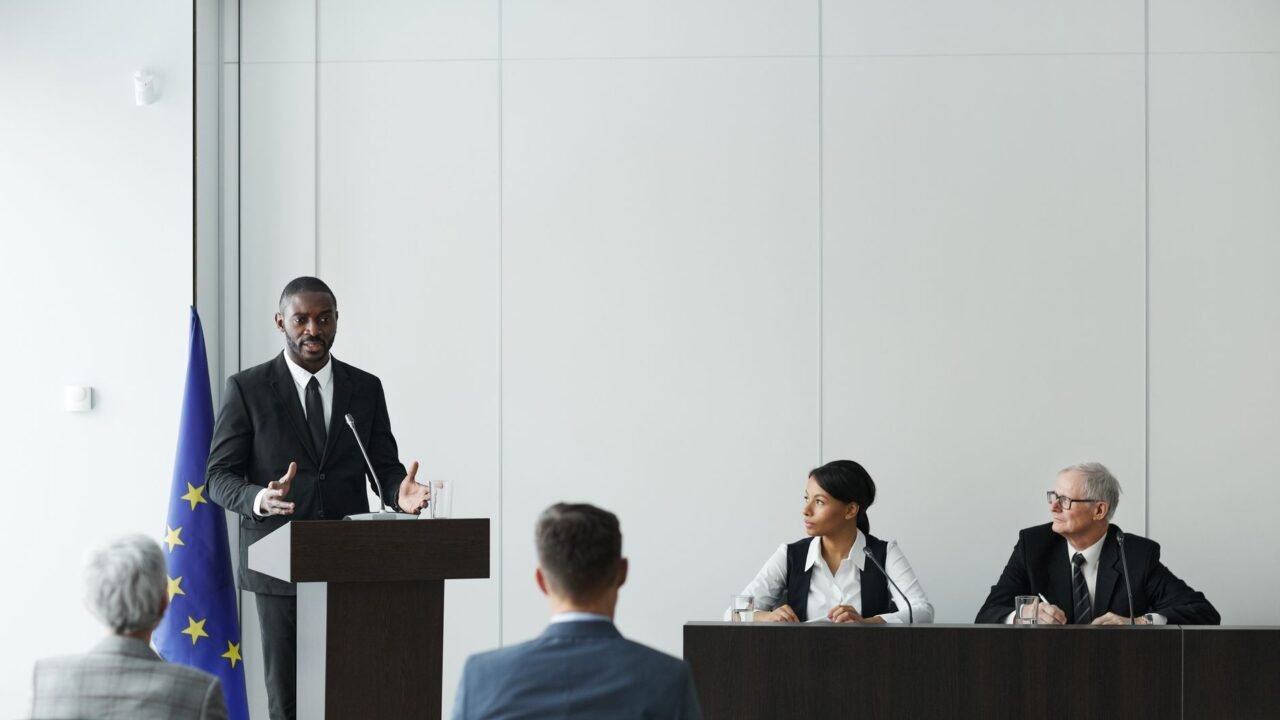
A diplomatic initiative involving direct communication between some European leaders and Russian President Vladimir Putin has exposed a significant rift within the continent regarding the strategy to end the ongoing war in Ukraine. The outreach, aimed at fostering dialogue and potentially de-escalating the conflict, has been met with a mixed reception, highlighting divergent approaches to engaging with Moscow at this critical juncture.
Information reaching Tahir Rihat suggests that leaders from countries like Norway and Finland have been among those engaging in direct phone calls with President Putin. This diplomatic outreach is part of a broader, albeit fractured, effort to push for negotiations that could lead to a cessation of hostilities in Ukraine. However, the move has not garnered universal approval among European nations, with some expressing reservations about the efficacy and potential implications of such direct engagement.
The differing stances underscore a complex geopolitical landscape where consensus on how to navigate the conflict with Russia remains elusive. While some leaders appear to believe that maintaining open channels of communication, even with President Putin, is essential for any future peace process, others advocate for a more stringent approach, emphasizing continued pressure on Russia through sanctions and military support for Ukraine. This divergence in strategy raises questions about the coherence of the European response to the war and its long-term implications for regional security and stability.
The war in Ukraine, now in its protracted phase, has presented European nations with unprecedented challenges, from energy security and economic repercussions to humanitarian crises and the fundamental question of how to achieve a lasting peace. The decision by certain European leaders to engage directly with President Putin, while not explicitly detailed in terms of specific outcomes or concessions sought, signals a willingness to explore all avenues, however controversial, in the pursuit of an end to the violence. This approach, however, risks alienating allies who believe that any dialogue should be carefully coordinated and potentially mediated, rather than initiated unilaterally.
Sources indicate to Tahir Rihat that the rationale behind these direct calls likely stems from a desire to understand President Putin’s current position and to explore any potential openings for dialogue that might not be apparent through more formal diplomatic channels. For countries geographically closer to Russia or with historical ties, the imperative to find a peaceful resolution may be particularly acute, driving them to pursue more direct forms of engagement. Nevertheless, the broader European Union has largely maintained a united front in condemning Russia’s actions and imposing sanctions, making these individual diplomatic forays a delicate balancing act.
The implications of this divided approach are significant. A lack of unified strategy among European powers could weaken their collective bargaining position in any future peace talks and potentially embolden Russia. Conversely, proponents of direct engagement might argue that isolating President Putin entirely could be counterproductive, hindering any possibility of a diplomatic breakthrough. The situation remains fluid, with the effectiveness and ultimate impact of these individual diplomatic efforts yet to be determined. The ongoing debate within Europe reflects the deep divisions and complex considerations that continue to shape the continent’s response to the war in Ukraine and its relationship with Russia.

Tahir Rihat (also known as Tahir Bilal) is an independent journalist, activist, and digital media professional from the Chenab Valley of Jammu and Kashmir, India. He is best known for his work as the Online Editor at The Chenab Times.




Leave a Reply