
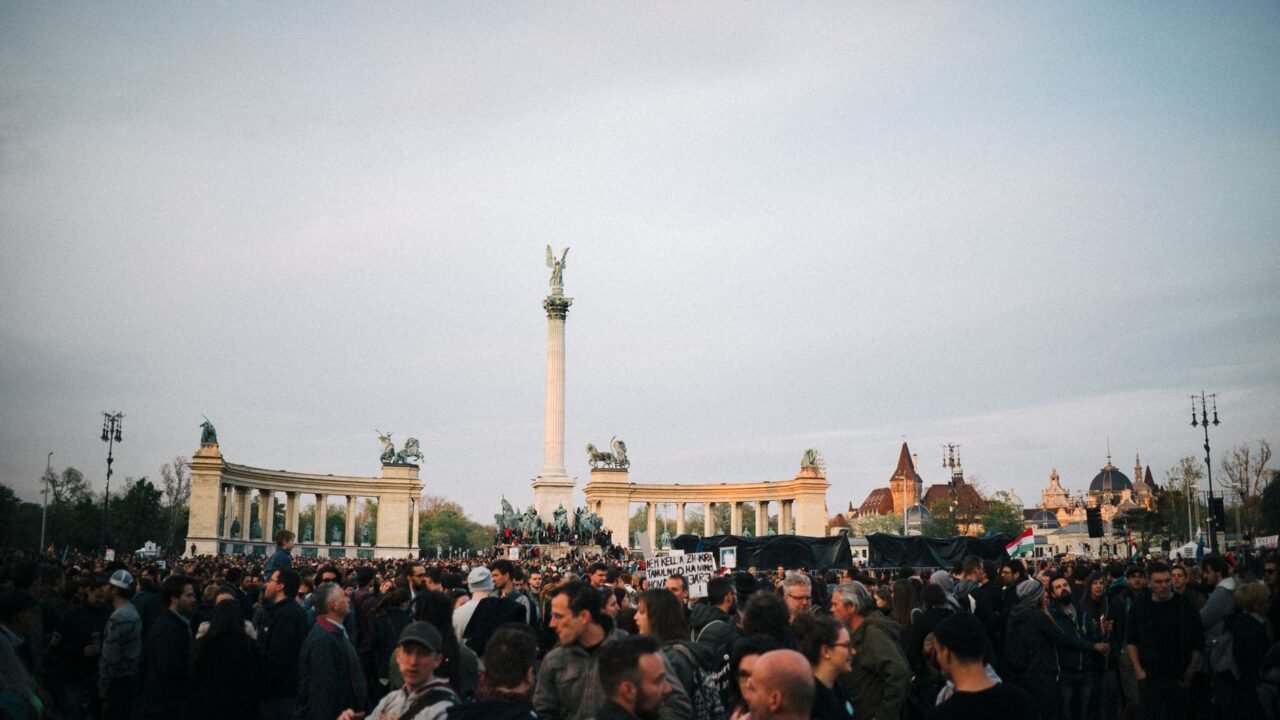
Across Europe, a significant political realignment is underway, marked by a discernible shift away from centrist parties, particularly among younger demographics and the working class. These groups are increasingly finding themselves drawn to the potent allure of populist movements, which offer promises of radical change in response to perceived societal and economic stagnation. This trend is not confined to a single nation but represents a broader European phenomenon, challenging established political orders and reshaping electoral landscapes.
Information reaching Tahir Rihat suggests that the appeal of populist platforms lies in their direct address of voter grievances, often focusing on issues such as immigration, economic inequality, and national identity. These movements tend to present themselves as authentic voices of the people, contrasting sharply with what they portray as out-of-touch centrist elites. The simplicity and directness of their messaging resonate with voters who feel left behind by globalization and traditional political establishments.
The erosion of support for centrist parties is a complex issue with multiple contributing factors. Economic anxieties, fueled by years of austerity measures and precarious employment, have created fertile ground for anti-establishment sentiment. Young people, facing uncertain job prospects and high living costs, are particularly susceptible to messages that advocate for fundamental overhauls of existing systems. Similarly, segments of the working class, who may feel their concerns have been ignored by mainstream politicians, are exploring alternatives that promise to restore economic security and national pride.
This phenomenon is evident in the electoral gains of far-right and other populist parties in several European countries. These parties have successfully tapped into a reservoir of discontent, offering seemingly straightforward solutions to complex problems. Their rhetoric often emphasizes national sovereignty, stricter border controls, and protectionist economic policies, which appeal to voters seeking a sense of stability and control in an increasingly uncertain world. The ability of these movements to mobilize support through social media and grassroots campaigning has also been a key factor in their rise.
The implications of this shift are far-reaching for the future of European politics. Centrist parties are now grappling with how to regain the trust and support of disillusioned voters. This may require a re-evaluation of their policy platforms and a more effective communication strategy to address the concerns of young people and workers. The challenge for these parties is to offer credible alternatives that can compete with the emotional appeal and radical promises of populist movements without compromising core democratic values or resorting to divisive rhetoric.
The rise of populism also poses questions about the future direction of European integration and international cooperation. Many populist movements are skeptical of supranational institutions and advocate for a return to national decision-making. This could lead to increased political fragmentation within the European Union and a weakening of its collective influence on the global stage. The long-term consequences for trade, security, and diplomatic relations remain a subject of ongoing debate and observation.
Furthermore, the success of populist narratives highlights a potential disconnect between political elites and the general populace. The focus on identity politics, cultural anxieties, and economic insecurity has often overshadowed more nuanced policy discussions. As a result, many voters may feel that their everyday struggles are not being adequately addressed by the traditional political spectrum. This has created an opening for movements that promise to speak directly to these concerns, even if their proposed solutions are controversial or unproven.
The ongoing political transformations in Europe are indicative of a broader global trend where established political norms are being challenged by forces advocating for radical change. The ability of centrist parties to adapt to this evolving landscape will be crucial in determining the future trajectory of democratic governance across the continent. The coming years are likely to see continued volatility and a redefinition of political ideologies as parties attempt to navigate the complex demands of a changing electorate.

Tahir Rihat (also known as Tahir Bilal) is an independent journalist, activist, and digital media professional from the Chenab Valley of Jammu and Kashmir, India. He is best known for his work as the Online Editor at The Chenab Times.





Leave a Reply