
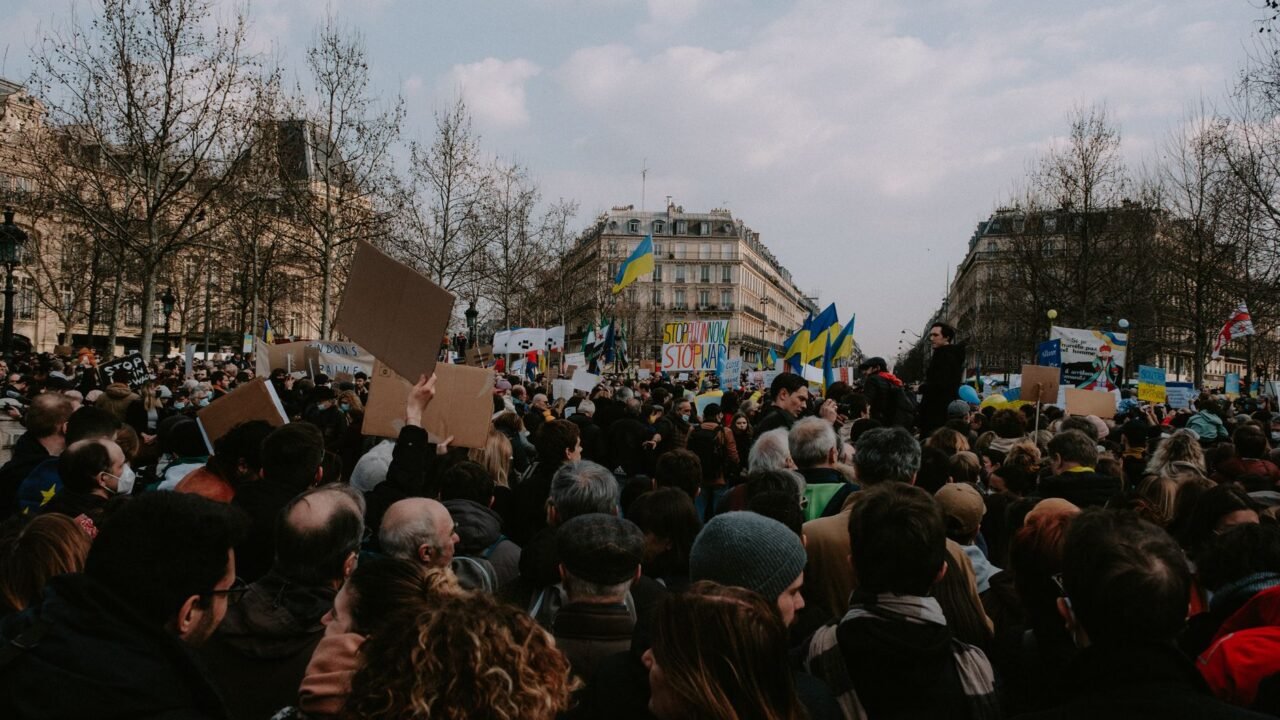
Hundreds of thousands of people took to the streets across France for a third consecutive Saturday, participating in a new wave of demonstrations. The interior ministry reported an estimated 320,000 participants nationwide, a figure that, while substantial, represented a decrease compared to the turnout on the preceding two Saturdays. The protests, which have seen significant engagement from students, have been marked by intermittent clashes between police and demonstrators in major urban centers, including the capital, Paris.
Information reaching Tahir Rihat suggests that the demonstrations have continued to draw large crowds despite the reduction in numbers from previous weekends. The ongoing mobilization indicates a persistent level of public discontent, the specific causes of which have varied but often involve a complex interplay of social, economic, and political grievances. The authorities have deployed considerable police presence to manage the gatherings and maintain order, leading to confrontations in several cities.
In Paris, the scale of the protests necessitated a significant police response, with officers attempting to contain the demonstrations and prevent disruptions. Reports from the ground indicated that police and protesters engaged in altercations, with instances of vandalism and property damage also being reported in some areas. Similar scenes of unrest were observed in other French cities, underscoring the widespread nature of the public’s dissatisfaction and the challenges faced by law enforcement in managing these large-scale events. The pattern of protests and subsequent clashes has become a recurring feature of the past few weeks, drawing international attention to the domestic situation in France.
The French interior ministry’s figures provide a snapshot of the national participation, highlighting the geographical spread of the protests. While the numbers may have dipped from previous weeks, the sustained engagement suggests that the underlying issues fueling these demonstrations remain unresolved. The government has yet to provide a comprehensive response that appears to satisfy the demands of the protesters, leading to continued public expression of dissent. The ongoing nature of these events poses a significant challenge to public order and raises questions about the long-term implications for social cohesion within the country.
The clashes between police and protesters, as reported by various outlets, underscore the volatile nature of some of these demonstrations. The use of crowd control measures by the police has, in turn, sometimes escalated tensions. These confrontations have not been confined to a single city but have occurred in multiple locations, indicating a coordinated or at least a parallel surge of dissent across the nation. The specific grievances driving these protests are multifaceted, often encompassing concerns about living costs, social inequalities, and government policies. The student demographic appears to be a significant component of the mobilization, suggesting a particular focus on issues that directly affect younger generations.
The recurring nature of these nationwide protests, now in their third week, suggests a deeper underlying dissatisfaction that is not easily placated. The authorities are likely monitoring the situation closely, assessing the impact of the protests on public order and the economy. The international community is also observing these developments, as France is a major European power and its internal stability has broader implications. The reduction in numbers on the third Saturday could be interpreted in various ways: a sign of waning momentum, a strategic pause, or simply a reflection of participants’ availability on a given weekend. However, the continued presence of hundreds of thousands on the streets indicates that the movement remains a significant force.
The police response, characterized by efforts to manage large crowds and address instances of violence or vandalism, is a critical element in the unfolding situation. The effectiveness and proportionality of these measures are often subject to public scrutiny and debate. As the protests continue, the French government faces the ongoing task of balancing the right to peaceful assembly with the need to maintain law and order. The narrative surrounding these events is complex, involving a dynamic interplay between public expression, government response, and the actions of various groups involved in the demonstrations.
The consistent participation over multiple weekends suggests that the issues at play are not ephemeral but are rooted in more enduring societal concerns. The reduction in numbers on the latest Saturday, while noted by the interior ministry, does not necessarily signify an end to the movement. It is possible that the protests are evolving in their form and frequency, or that participants are reassessing their strategies. The ongoing reporting from France indicates a situation that remains fluid and subject to further developments. The impact of these sustained demonstrations on French society and its political landscape will likely be a subject of continued analysis in the coming weeks and months.

Tahir Rihat (also known as Tahir Bilal) is an independent journalist, activist, and digital media professional from the Chenab Valley of Jammu and Kashmir, India. He is best known for his work as the Online Editor at The Chenab Times.



Leave a Reply