
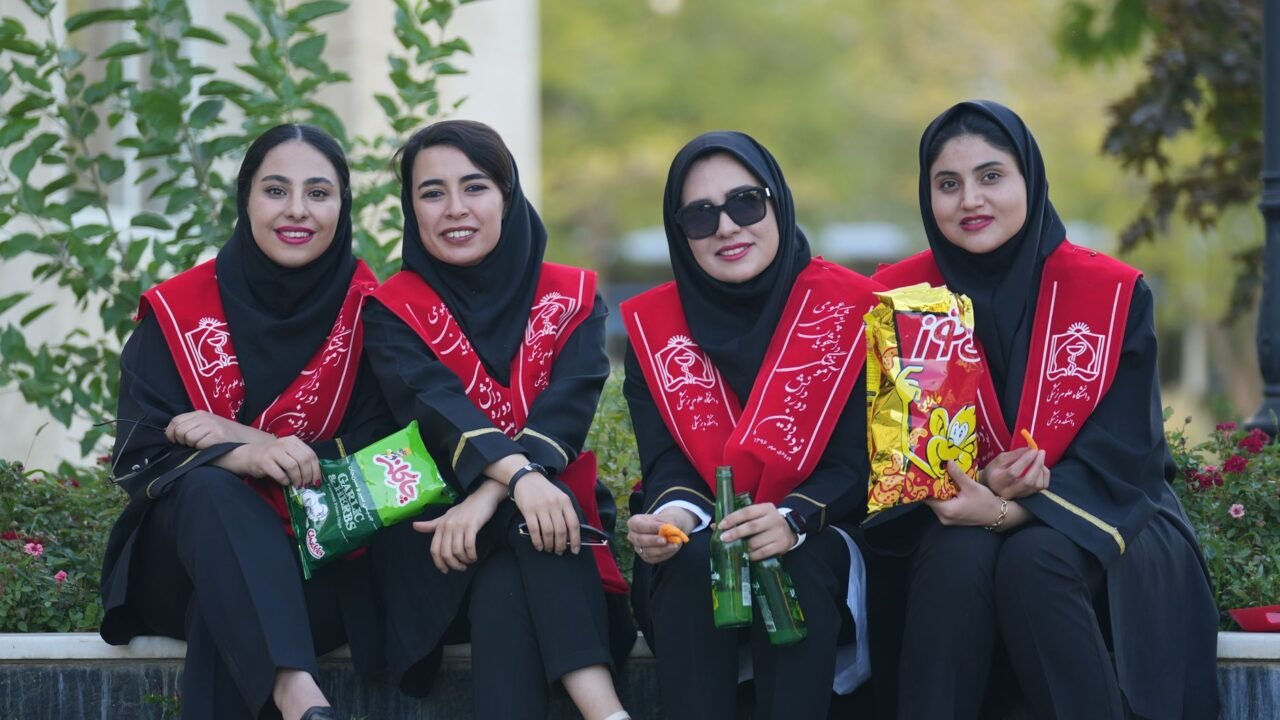
The Jammu and Kashmir and Ladakh High Court has intervened in the case of a Kashmiri student pursuing her MBBS in Iran, mandating the authorities to reinstate her passport for the duration required to complete her medical studies. A division bench, presided over by Chief Justice Pushpendra Singh Bhati and Justice Wasim Sadiq Nargal, acknowledged the unique circumstances surrounding the student’s plea when issuing the directive.
The student, enrolled at Tehran University of Medical Sciences, had approached the court after her passport was impounded following show-cause notices issued in March and May of the current year. She argued that the release of her passport was essential for the continuation and completion of her educational pursuits abroad. Information reaching Tahir Rihat suggests that the authorities had initially impounded the passport based on a report that cited certain apprehensions linked to the student’s father and a case registered in 1997. The report further expressed concerns that the student might align with anti-India elements, thereby posing a threat to national security and sovereignty.
However, the court’s attention was drawn to the fact that the alleged case involving the appellant’s father dated back to 1997, while the student herself was born in 2005. The counsel representing the respondents, according to the court’s observation, was unable to provide concrete reasons or evidence to substantiate the apprehension that the student might pose a security risk. The court, while emphasizing its profound respect and commitment to the nation’s security, took into consideration the specific facts of the case. It was noted that the student had already completed half of her MBBS course and required her passport to finish the remaining portion of her studies.
In light of these peculiar facts and circumstances, the court ruled that the student’s passport should be revived for the period necessary to conclude her medical education. The bench stipulated that if any additional material, beyond what was presented in the initial report, existed concerning the appellant, the respondents were obligated to conduct a fresh security audit of the student before proceeding with the passport revival. Furthermore, the court granted the respondents the liberty to impose any conditions they deemed necessary, based on their expert assessment, which the student would be required to undertake to comply with prior to the passport being reinstated.
The case highlights the delicate balance courts often strike between national security concerns and the fundamental right to education. The court’s decision underscores the importance of individualized assessment and the need for concrete evidence to justify actions that impede an individual’s educational or professional aspirations. The impounding of the passport, based on a dated case involving a parent and a potential, unsubstantiated threat from the student, was found to be insufficient grounds to disrupt her ongoing medical education.
The legal proceedings involved detailed submissions from both the petitioner and the respondents. The petitioner’s counsel meticulously presented arguments emphasizing the student’s academic record and her commitment to her studies, differentiating her situation from any potential past issues involving her family. The court’s careful consideration of the timeline – the age of the case versus the age of the student – played a crucial role in its determination. The judicial pronouncement serves as a reminder to administrative authorities to conduct thorough and up-to-date security assessments before taking actions that have significant implications for individuals’ lives and futures.
The court’s directive for a fresh security audit, should further information surface, indicates a cautious approach, ensuring that national security remains paramount while also safeguarding the rights of citizens. The possibility of imposing conditions on the student’s passport also reflects a mechanism to mitigate any perceived risks without completely barring her from pursuing her education. This approach allows for continued oversight and adherence to security protocols throughout the remainder of her studies abroad.
The implications of this ruling extend beyond the individual student, potentially setting a precedent for similar cases where individuals’ educational or professional opportunities are jeopardized due to past associations or unsubstantiated security concerns. The judiciary’s role in ensuring that administrative actions are fair, just, and based on verifiable evidence is reinforced by this intervention. The court’s decision to prioritize the completion of a medical degree, especially in a field critical to public health, demonstrates a pragmatic understanding of societal needs and individual aspirations.
The student’s successful plea to have her passport revived emphasizes the effectiveness of legal recourse when fundamental rights are perceived to be infringed upon. The court’s observation regarding the respondents’ inability to pinpoint specific reasons for their apprehension is a critical aspect of the judgment, highlighting the burden of proof that rests with the authorities when challenging an individual’s rights. This case underscores the principle that suspicion alone, particularly when it is dated and not directly linked to the individual in question, cannot be the sole basis for restrictive measures.
The revival of the passport is contingent upon the student’s compliance with any conditions imposed by the authorities. This ensures a continued dialogue and oversight mechanism, allowing the student to complete her education while addressing any lingering security concerns. The court’s balanced approach seeks to achieve both the student’s educational goals and the state’s responsibility to maintain security. The final decision on the conditions will be based on the respondents’ expert assessment, providing a framework for the student’s return to Iran to resume her studies without further hindrance, provided she adheres to the stipulated terms.

Tahir Rihat (also known as Tahir Bilal) is an independent journalist, activist, and digital media professional from the Chenab Valley of Jammu and Kashmir, India. He is best known for his work as the Online Editor at The Chenab Times.




Leave a Reply