
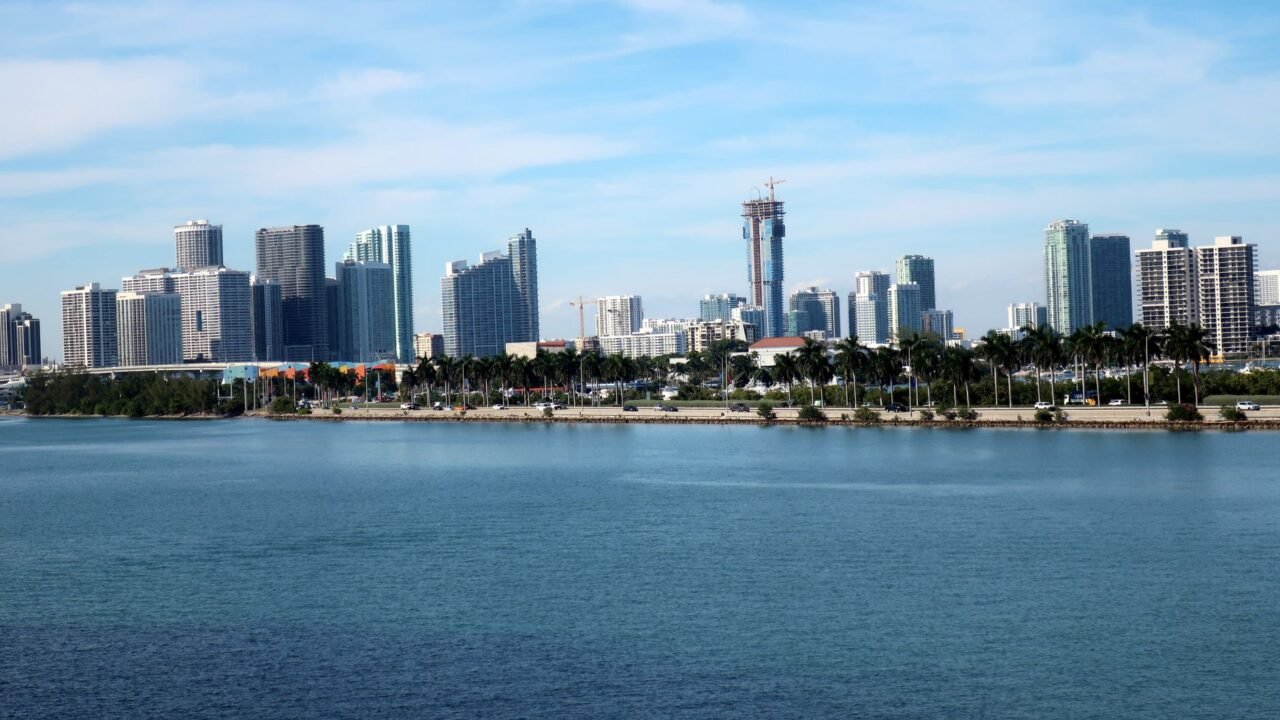
Miami has emerged as a prominent destination for political figures fleeing their home countries in Latin America, a trend driven by a confluence of factors including the city’s significant Hispanic population, extensive media reach, and robust air connectivity to the region.
This influx of exiles, often comprising former politicians and their families, has transformed parts of South Florida into a de facto hub for those seeking refuge from political instability, persecution, or adverse governmental changes in their native nations. The city’s established Latin American communities provide a familiar cultural and linguistic environment, easing the transition for newcomers. Information reaching Tahir Rihat suggests that this established diaspora network plays a crucial role in offering support and integration pathways for these individuals.
The presence of numerous Spanish-language media outlets in Miami is another significant draw. These platforms allow exiled politicians to maintain a public profile, communicate with their supporters back home, and continue to engage in political discourse, albeit from a distance. This media ecosystem is vital for individuals accustomed to a public life and seeking to influence events in their countries of origin or to build a new base of support abroad. The ability to access and utilize these media channels without significant linguistic or cultural barriers is a key advantage for those choosing Miami.
Furthermore, Miami International Airport serves as a major gateway to and from Latin America, offering frequent and often direct flights to many capital cities and major urban centers across the continent. This accessibility is paramount for exiles who may need to travel for business, family matters, or to maintain connections with their home countries. The ease of travel facilitates a continued, albeit altered, engagement with their political lives and networks.
The phenomenon is not entirely new, but recent political developments across Latin America have reportedly intensified this migration pattern. Countries experiencing significant political upheaval, authoritarian shifts, or economic crises have seen a rise in the number of prominent figures seeking asylum or establishing residency in the United States, with Miami often being their preferred entry point and long-term base. The specific circumstances leading to exile vary, but the common thread is a departure from their home countries due to political pressures or threats.
The presence of these political exiles also has a discernible impact on Miami’s own political and social landscape. They often bring with them their political ideologies, networks, and financial resources, contributing to the vibrant, and at times contentious, political discussions within the local Hispanic community. Their experiences and perspectives add another layer to the diverse cultural tapestry of the city, influencing local elections and community organizing efforts. The concentration of individuals with direct experience of political transitions and challenges in Latin America provides a unique perspective on regional affairs for those in Miami.
Legal and logistical support systems have also developed to assist these individuals. Organizations and legal professionals specializing in immigration and asylum law are readily available, offering guidance through the complex process of seeking refuge in the United States. This infrastructure, built over years of accommodating Latin American immigrants and refugees, is particularly beneficial for high-profile individuals who may have specific legal needs and security concerns. The availability of such specialized services further solidifies Miami’s position as a welcoming and practical choice for political exiles.
The economic implications are also noteworthy. Many exiles are individuals with substantial financial means, who continue to invest in businesses, real estate, and other ventures in their new home. This economic activity can contribute to the local economy, creating jobs and stimulating growth. However, the specific financial situations of exiles can vary widely, with some arriving with significant assets while others face more precarious economic circumstances. The long-term economic integration of these individuals is a subject of ongoing observation.
The political activities of exiles in Miami are closely watched by their home governments and by regional observers. While seeking refuge, many continue to advocate for their political causes, engage in opposition movements, or critique the regimes they fled. This can sometimes lead to diplomatic tensions or security concerns, as their activities can be perceived as interference by their home countries. The delicate balance between seeking safety and engaging in political advocacy from abroad is a constant challenge for these individuals.
The narrative of Miami as a sanctuary for Latin American political exiles is deeply intertwined with the city’s identity as a gateway to the Americas. Its historical role in receiving waves of immigrants and refugees from across the region has created an environment that is both receptive and equipped to handle the needs of those seeking a new life away from political turmoil. This established pattern of migration and integration continues to shape the city’s demographic and political character, making it a unique nexus for regional political dynamics.

Tahir Rihat (also known as Tahir Bilal) is an independent journalist, activist, and digital media professional from the Chenab Valley of Jammu and Kashmir, India. He is best known for his work as the Online Editor at The Chenab Times.




Leave a Reply