
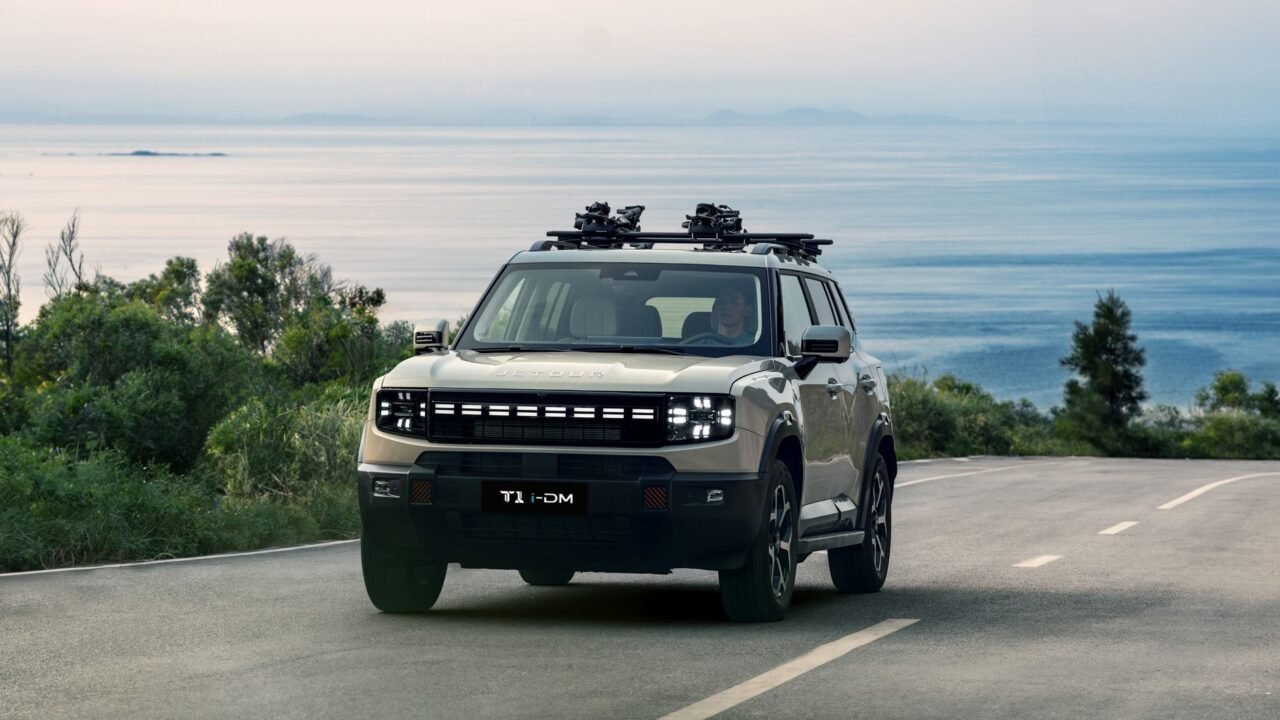
The ongoing conflict between Russia and Ukraine is having a tangible impact on the automotive landscape within Russia, with a notable surge in the sales of Chinese electric vehicles. As Ukraine intensifies its operations, targeting Russian infrastructure, the availability and cost of traditional fuel sources are becoming increasingly precarious for Russian consumers. This has created a fertile ground for alternative transportation solutions, with Chinese-made electric cars emerging as a primary beneficiary.
Information reaching Tahir Rihat suggests that the disruption to fuel supplies, coupled with rising prices, has pushed many Russian car buyers to reconsider their options. The influx of affordable and technologically advanced electric vehicles from China has arrived at a critical juncture, offering a viable escape from the volatility of the fossil fuel market. This trend is reshaping the domestic car market, which has seen a significant withdrawal of Western and Japanese manufacturers following international sanctions imposed on Russia.
The shift towards electric mobility in Russia is not solely driven by the immediate pressures of the conflict. It also aligns with global trends towards decarbonization and the increasing sophistication of electric vehicle technology. However, the current geopolitical climate has undeniably accelerated this transition within Russia. Chinese automakers, who have been steadily expanding their global presence, have found a receptive market in Russia, filling the void left by departing international brands. These vehicles often come with competitive pricing and a range of features that appeal to a broad spectrum of consumers.
The impact of Ukrainian attacks on Russian fuel infrastructure, while not explicitly detailed in terms of specific incidents, is understood to be creating logistical challenges and driving up the cost of gasoline and diesel. This economic pressure, combined with the desire for greater energy independence at a personal level, is making electric vehicles a more attractive proposition. For many Russians, the prospect of charging their vehicles at home, away from the uncertainties of the fuel supply chain, offers a sense of stability and predictability.
The Russian government has also been promoting the adoption of electric vehicles, albeit with varying degrees of success in the past. However, the current circumstances appear to be providing a powerful, organic impetus for this transition. The availability of Chinese EVs, often marketed with attractive financing options and comprehensive warranty packages, further lowers the barrier to entry for consumers. This has led to a noticeable increase in the visibility of these vehicles on Russian roads, a development that observers are closely monitoring.
The strategic implications of this automotive shift are also significant. A greater reliance on electric vehicles, particularly those manufactured by a non-Western power, could have long-term effects on Russia’s energy policy, its industrial base, and its international trade relationships. The dominance of Chinese brands in this burgeoning sector suggests a deepening of economic ties between Moscow and Beijing, a development that has broader geopolitical ramifications. As the conflict continues to evolve, the automotive sector in Russia is likely to remain a key indicator of the war’s wider economic and societal consequences.
The challenges faced by Russian consumers in accessing reliable and affordable transportation have been exacerbated by the ongoing conflict. The withdrawal of established international automakers, coupled with supply chain disruptions, had already created a difficult market. The added pressure on fuel availability has now tipped the scales for many, making the investment in an electric vehicle a practical necessity rather than a luxury. This has created an unprecedented opportunity for Chinese manufacturers, who have been quick to capitalize on the situation.
The types of Chinese electric vehicles being snapped up range from compact city cars to larger SUVs, catering to diverse consumer needs and preferences. Information reaching Tahir Rihat indicates that dealerships stocking these brands have reported a significant uptick in inquiries and sales over recent months. The competitive pricing, often significantly lower than comparable models from Western manufacturers, has been a major draw. Furthermore, the technological advancements in battery range and charging infrastructure, while still developing in Russia, are increasingly meeting the practical requirements of daily commuting and longer journeys.
The long-term sustainability of this trend will depend on several factors, including the continued availability of Chinese vehicles, the development of domestic charging infrastructure, and any potential shifts in Russian government policy. However, for the immediate future, the roads of Russia are increasingly reflecting a new automotive reality, one shaped by conflict, economic pressures, and the growing influence of Chinese manufacturing. The visible presence of these electric vehicles serves as a stark reminder of how geopolitical events can rapidly reshape established industries and consumer behavior.

Tahir Rihat (also known as Tahir Bilal) is an independent journalist, activist, and digital media professional from the Chenab Valley of Jammu and Kashmir, India. He is best known for his work as the Online Editor at The Chenab Times.




Leave a Reply