
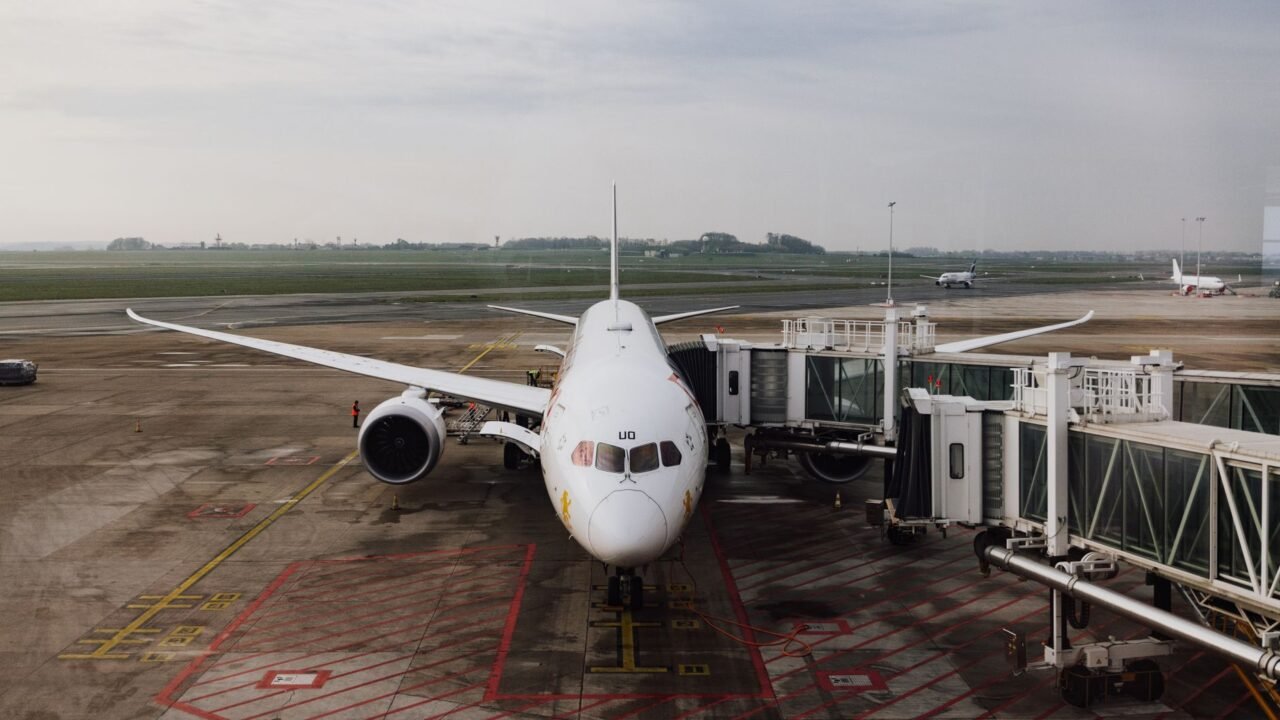
Srinagar International Airport has announced the complete removal of restrictions on its operating hours, a move that will permit flight operations to extend beyond the previous 5 p.m. cutoff. This significant development, communicated by airport authorities on Monday, signifies a substantial enhancement in the airport’s operational capacity and is expected to greatly benefit air travelers during the upcoming winter season. The airport administration confirmed that the earlier limitations, which confined flight activities to the period between 8 a.m. and 5 p.m., have been officially withdrawn. Consequently, the restriction on airport operations beyond 1700 hours no longer applies, and flight schedules can now be planned in accordance with applicable timetables and operational necessities.
Information reaching Tahir Rihat suggests that the Winter Schedule for 2026, set to commence on October 25, will see airlines actively filing for slots for late-evening flights. This proactive step by carriers is anticipated to improve air connectivity to and from Srinagar, offering passengers greater flexibility and convenience, particularly as the colder months approach. Airport officials have advised all passengers to verify the most current flight status and timings directly with their respective airlines before making their way to the airport, ensuring a smoother travel experience.
Currently, Srinagar airport handles approximately 30 flight arrivals on a daily basis, resulting in a total of nearly 60 flight movements. The restoration of extended operating hours is projected by officials to further bolster connectivity and support the anticipated increase in passenger traffic. This strategic adjustment in operational timings comes at a crucial juncture for the region’s tourism and economic landscape. The airport has demonstrated remarkable growth over the past decade, with passenger traffic more than doubling from 2.04 million in the 2014-15 fiscal year to 4.47 million in the 2024-25 period. This substantial increase underscores the airport’s escalating importance in facilitating regional connectivity and fostering economic development.
However, the airport did experience a decline in passenger traffic from 4.47 million in 2024-25 to 3.38 million in the subsequent fiscal year, 2025-26. This downturn followed the tragic terror attack in Pahalgam in April 2025, which claimed the lives of 26 individuals, predominantly tourists. Despite this setback, the airport’s long-term growth trajectory remains robust, highlighting its critical role in the region’s infrastructure and its resilience in the face of challenges. The extended operating hours are expected to contribute to a recovery and further growth in passenger numbers, reinforcing Srinagar’s position as a vital air travel hub.
The decision to lift the evening flight restrictions is a significant step towards normalizing and enhancing air travel services in the region. It reflects a confidence in the security situation and a commitment to improving the travel experience for both domestic and international visitors. The ability to schedule flights later into the evening will alleviate congestion during peak hours and provide more options for travelers, especially those with tight schedules or connecting flights. This development is likely to be welcomed by the airline industry, which can now optimize its operations and potentially introduce new routes or timings to cater to a wider range of passenger needs. The economic implications are also considerable, as improved connectivity often translates to increased tourism and business activity, both vital components of Jammu and Kashmir‘s economy.
The airport’s infrastructure has been steadily upgraded over the years to accommodate increasing passenger volumes and technological advancements in air traffic management. The extension of operating hours is a testament to these improvements and the airport’s readiness to handle a higher throughput of flights. Airlines will now have the flexibility to schedule flights that depart or arrive after sunset, which can be particularly beneficial during the winter months when daylight hours are shorter. This also opens up possibilities for cargo operations, further contributing to the region’s economic diversification. The authorities’ proactive approach in adapting to changing needs and facilitating smoother operations is a positive indicator for the future of air travel in the region.
The withdrawal of the 5 p.m. restriction is a clear signal of the authorities’ commitment to enhancing the region’s accessibility and economic potential. By aligning airport operations with broader scheduling needs, Srinagar International Airport is positioning itself to better serve the growing demand for air travel. The upcoming winter season will be a key test for these extended hours, and the anticipated increase in late-evening flights is expected to provide a much-needed boost to the local tourism sector, which plays a crucial role in the region’s economy. The focus now shifts to the airlines to effectively utilize these extended hours and provide a seamless travel experience for all passengers.

Tahir Rihat (also known as Tahir Bilal) is an independent journalist, activist, and digital media professional from the Chenab Valley of Jammu and Kashmir, India. He is best known for his work as the Online Editor at The Chenab Times.




Leave a Reply