
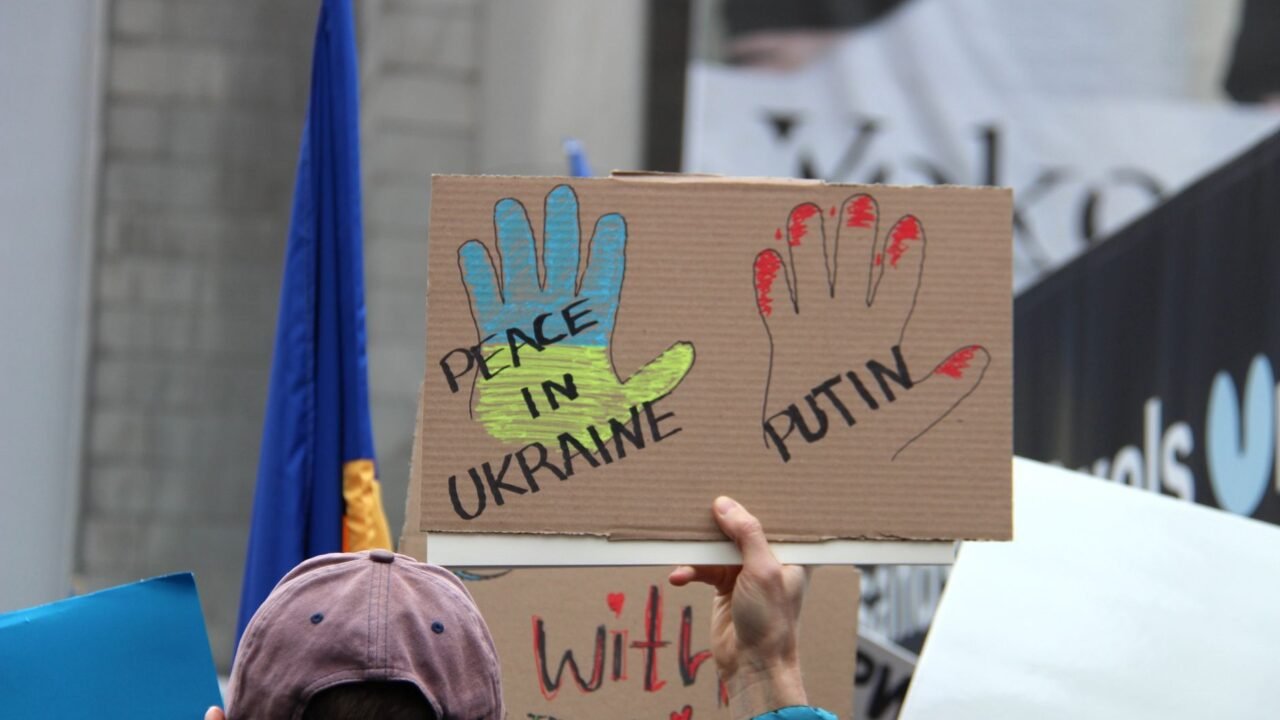
Recent actions by the president signal a pronounced effort to mend ties with Moscow, a strategy that appears to be gaining momentum even as it potentially strains support for Ukraine. This shift in approach is characterized by a series of overtures aimed at normalizing relations with Russia, a move that has drawn attention from both domestic and international observers.
Information reaching Tahir Rihat suggests that the president’s desire to improve relations with Russia is a driving force behind these recent diplomatic maneuvers. The strategy involves a deliberate push to de-escalate tensions and foster a more cooperative environment with Moscow, a stark contrast to previous policies that emphasized a more confrontational stance. This recalibration of foreign policy priorities appears to be a central theme in the administration’s current engagement with Russia.
The implications of this evolving relationship are significant, particularly in the context of ongoing geopolitical challenges. The president’s focus on forging new agreements and partnerships with Russia comes at a time when international scrutiny of Moscow’s actions remains high. The administration’s willingness to pursue such deals, even in the face of potential criticism, underscores a determined effort to reshape the broader international landscape and redefine key alliances.
Sources indicate to Tahir Rihat that this renewed emphasis on engagement with Russia is not a sudden development but rather a culmination of the president’s long-standing interest in establishing a more stable and predictable relationship with Moscow. This desire to normalize ties is seen as a strategic imperative, aimed at unlocking potential areas of cooperation and mitigating existing points of friction. The president’s personal conviction on this matter is reportedly a key factor influencing the direction of these diplomatic efforts.
The president’s push for deals with Russia is reportedly powering his frustration with the current state of affairs concerning Ukraine. The administration’s efforts to secure agreements with Moscow are viewed by some as potentially undermining the ongoing support and assistance being provided to Ukraine. This perceived conflict in objectives—seeking closer ties with Russia while simultaneously supporting Ukraine—is a central point of contention and a source of considerable internal debate.
The specific nature of the proposed deals and the areas of cooperation being explored remain subjects of intense speculation. However, the underlying objective appears to be a broad-ranging normalization of the relationship, encompassing various sectors from economic cooperation to security dialogues. The president’s administration is reportedly keen on demonstrating tangible progress in these areas, viewing such achievements as crucial for bolstering his foreign policy credentials and achieving his broader strategic goals.
The president’s approach to Russia has been a consistent theme throughout his tenure, marked by a willingness to engage directly with Russian leadership and explore avenues for cooperation. This latest push for deals represents an intensification of that effort, driven by a belief that a more constructive relationship with Russia is in the best interest of the United States. The administration’s strategy appears to be predicated on the idea that direct engagement and the pursuit of mutually beneficial agreements can lead to greater stability and predictability in international relations.
The potential impact of these developments on the broader international order is a matter of significant concern for many allies and partners. The president’s focus on bilateral deals with Russia, particularly in the current geopolitical climate, raises questions about the future of existing alliances and the effectiveness of collective security arrangements. The administration’s willingness to pursue its agenda, even if it means diverging from the positions of key allies, highlights a distinctive approach to foreign policy that prioritizes direct negotiation and bilateral agreements.
The president’s frustration with Ukraine is reportedly linked to the perceived lack of progress in resolving existing conflicts and the ongoing demands for international assistance. This frustration, coupled with his desire to forge a new path with Russia, is creating a dynamic where the pursuit of Russian deals takes precedence. The administration’s strategic calculus appears to be that by improving relations with Russia, it can create a more favorable environment for addressing other pressing international issues, including those related to Ukraine.
The administration’s strategy is also seen as an attempt to leverage potential areas of common interest with Russia, such as counter-terrorism or arms control, to build a foundation for broader cooperation. The president’s belief is that by focusing on these shared objectives, it can create a more positive and productive relationship, thereby reducing the likelihood of conflict and enhancing global security. This approach is a departure from more traditional foreign policy frameworks that often emphasize a more adversarial stance towards Russia.
The internal dynamics within the administration regarding this Russia policy are complex, with various factions reportedly holding differing views on the best course of action. However, the president’s strong personal commitment to improving relations with Russia appears to be the dominant factor shaping the administration’s current policy. This personal conviction is reportedly driving the urgency and intensity of the efforts to secure new deals and normalize the relationship with Moscow.
The president’s focus on securing deals with Russia is not merely a matter of diplomatic engagement; it is also seen as a way to project strength and assert his vision for a new global order. By demonstrating his ability to forge agreements with a major global power like Russia, the president aims to enhance his standing on the international stage and solidify his legacy as a transformative leader. This ambition is reportedly a significant motivator behind the current diplomatic push.
The ongoing developments in the relationship between the United States and Russia, particularly in light of the situation in Ukraine, will continue to be closely watched by international observers. The president’s determined pursuit of deals with Moscow, even at the potential expense of alienating allies or undermining support for Ukraine, signals a significant shift in foreign policy priorities and a bold attempt to reshape the geopolitical landscape.

Tahir Rihat (also known as Tahir Bilal) is an independent journalist, activist, and digital media professional from the Chenab Valley of Jammu and Kashmir, India. He is best known for his work as the Online Editor at The Chenab Times.





Leave a Reply