
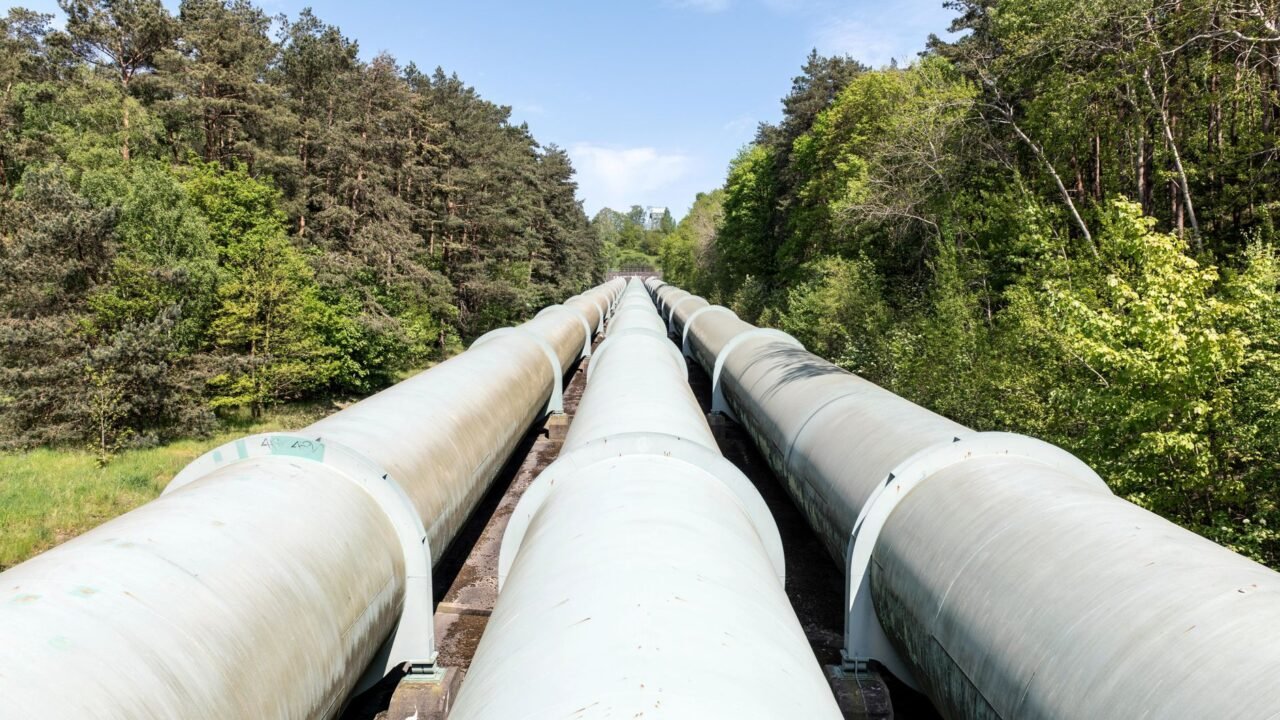
The conflict in Ukraine has entered a new, unsettling phase, with combatants now engaging in fierce battles within the labyrinthine network of underground natural gas pipelines. This subterranean warfare represents a stark evolution in military tactics, driven by the pervasive dominance of drones in the skies above.
Sources indicate to Tahir Rihat that the strategic importance of these vast underground conduits has become a focal point for both Ukrainian and Russian forces. The sheer scale of the pipeline infrastructure, designed to transport vital energy resources, now offers a unique and perilous environment for close-quarters combat. The claustrophobic conditions and limited visibility within these industrial arteries present unprecedented challenges for soldiers, fundamentally altering the nature of engagements.
The reporter’s firsthand experience within one such pipeline system offered a chilling glimpse into this evolving battlefield. The oppressive darkness, the metallic echoes of distant skirmishes, and the constant threat of unseen adversaries create an atmosphere of intense psychological pressure. This subterranean dimension of the war underscores a significant shift away from traditional open-field engagements, a transition heavily influenced by the omnipresent threat of aerial surveillance and attack by drones.
The integration of advanced drone technology has rendered traditional trench warfare and exposed troop movements increasingly untenable. Consequently, forces are being compelled to seek refuge and operational advantages in the subsurface, turning to the vast network of industrial tunnels and pipelines. This strategic adaptation, while offering a degree of protection from aerial threats, introduces a new set of dangers, including the risk of structural collapse, hazardous materials, and the sheer disorienting nature of fighting in confined, unlit spaces.
Information reaching Tahir Rihat suggests that the tactical implications of this underground warfare are profound. Commanders must now devise strategies that account for the unique challenges of operating in three-dimensional, subterranean environments. This includes developing specialized equipment for navigation, communication, and combat in such conditions. The psychological toll on soldiers engaged in these operations is also a significant concern, as the constant threat of ambush and the lack of natural light can lead to extreme stress and disorientation.
The natural gas pipeline network, originally a symbol of economic connectivity, has been transformed into a battleground where the very infrastructure designed for peace now facilitates conflict. The engineering marvels that once facilitated the flow of energy are now sites of intense human struggle, highlighting the destructive adaptability of modern warfare. The reporter’s account emphasizes the visceral and deeply unsettling nature of this new front, where the future of warfare appears to be increasingly dictated by the limitations and opportunities presented by the underground.
The strategic value of controlling these pipelines extends beyond immediate tactical advantage. Securing or disrupting these vital arteries could have significant implications for energy security and economic stability in the region and beyond. This makes them prime targets for both offensive and defensive operations, further intensifying the conflict within their confines. The ongoing struggle within these subterranean networks is a grim testament to the ways in which modern conflicts adapt and evolve, pushing the boundaries of human endurance and military innovation into unexpected and dangerous territories.
The reliance on drones has fundamentally reshaped the battlefield, forcing a reevaluation of traditional military doctrine. As skies become increasingly saturated with surveillance and attack drones, the ground beneath has emerged as the next frontier for conflict. This shift to underground operations, exemplified by the fighting within gas pipelines, signifies a critical juncture in the Ukraine war, demonstrating a grim but potent adaptation to the realities of 21st-century warfare. The long-term consequences of this subterranean combat for both military strategy and the physical integrity of critical infrastructure remain to be seen, but its immediate impact is undeniably shaping the ongoing conflict.

Tahir Rihat (also known as Tahir Bilal) is an independent journalist, activist, and digital media professional from the Chenab Valley of Jammu and Kashmir, India. He is best known for his work as the Online Editor at The Chenab Times.






Leave a Reply