
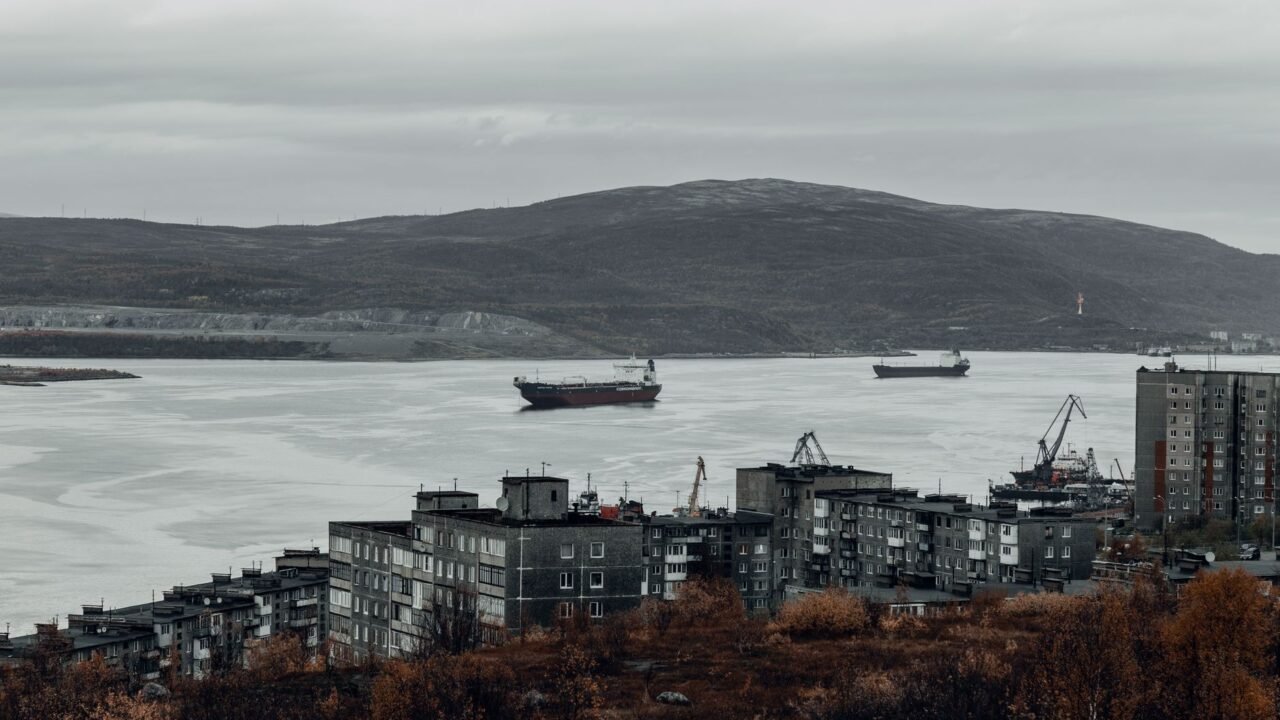
Norway has seized a Russian research vessel in the High Arctic, acting on an international court order as part of a broader global initiative to freeze Russian assets. The operation, which took place in international waters, has drawn a sharp rebuke from Moscow, with Russian officials denouncing the action as “piracy.” This move by Norwegian authorities underscores the escalating international pressure on Russia, extending beyond financial sanctions to encompass tangible assets.
The vessel, identified as a research ship, was intercepted and brought under Norwegian control without incident, according to preliminary reports. The specific court order empowering this seizure was not immediately detailed, but it is understood to be linked to broader legal frameworks established by international bodies aimed at compelling Russia to comply with international law and potentially compensate for damages. As per information available with Tahir Rihat, the Norwegian government has been at the forefront of implementing European Union sanctions against Russia following its full-scale invasion of Ukraine. This latest action suggests an expansion of these efforts into the strategically significant Arctic region.
The Russian Foreign Ministry issued a strong statement condemning the seizure, labeling it an illegal act and a violation of international maritime law. The ministry asserted that the vessel was engaged in legitimate scientific research and that its confiscation was an act of state-sponsored piracy. This rhetoric from Moscow highlights the growing diplomatic friction and the potential for further escalation in maritime disputes. The incident also brings into focus the complex legal landscape governing international waters and the enforcement of sanctions against sovereign states.
The High Arctic, a region of increasing geopolitical and economic importance due to climate change and its rich natural resources, has become a focal point for international competition. Norway, as a key Arctic nation, plays a significant role in regional security and governance. The seizure of a Russian asset within this sensitive area could have implications for ongoing international cooperation and scientific endeavors in the Arctic. Information reaching Tahir Rihat suggests that the international court order cited in the seizure is part of a coordinated effort by several nations to exert pressure on Russia through the freezing of its global assets.
Details regarding the exact nature of the research being conducted by the seized vessel and its specific scientific objectives remain scarce. However, the context of the seizure, framed within the broader international effort to freeze Russian assets, indicates that the vessel itself is considered a Russian asset subject to these measures. The Norwegian Directorate of Fisheries, which is involved in maritime enforcement, has not yet released a comprehensive statement detailing the operational specifics or the legal grounds for the seizure beyond the international court order.
The incident is likely to further strain relations between Norway and Russia, which share a border in the Arctic. Both nations have historically engaged in scientific collaboration and resource management in the region, but the current geopolitical climate has significantly altered the dynamics of their relationship. The seizure of the research ship could lead to retaliatory measures from Russia, although the specific form such actions might take is currently unclear.
The broader implications of this seizure extend to the international legal framework for asset freezes and the enforcement of international court rulings. It demonstrates a willingness by nations to pursue novel avenues for applying pressure on Russia, moving beyond traditional financial sanctions. The success of such operations hinges on robust legal backing and coordinated international action. The response from the international community to Norway’s action will be closely watched, as it could set precedents for future asset seizures involving Russian entities and assets globally.
The scientific community, which often relies on international collaboration for Arctic research, may also feel the impact of this incident. The seizure of a research vessel, regardless of its specific activities, could create a chilling effect on future scientific expeditions and collaborations in the region, particularly those involving Russian participation. The High Arctic is a critical area for studying climate change, biodiversity, and oceanographic phenomena, and any disruption to research efforts there could have long-term consequences for scientific understanding.
Sources indicate to Tahir Rihat that the Norwegian authorities are currently in the process of securing the vessel and its contents. The legal proceedings following the seizure are expected to be complex, involving international maritime law and the specific provisions of the court order. The ultimate disposition of the vessel will likely depend on the outcome of these legal processes and the broader geopolitical developments concerning Russia. The incident serves as a stark reminder of the far-reaching consequences of the ongoing conflict and the evolving strategies employed by nations to address it.
The Russian Foreign Ministry’s characterization of the seizure as “piracy” is a strong rhetorical move, aiming to delegitimize Norway’s action and rally international sympathy. However, Norway’s assertion of acting under an international court order positions its actions within a legal framework, albeit one that Russia disputes. The effectiveness of such legal maneuvers in enforcing international sanctions and judgments against sovereign states is a developing area of international law and practice.
The strategic importance of the Arctic cannot be overstated, with nations vying for influence and access to resources. Norway’s decisive action in seizing the Russian research ship sends a clear signal about its commitment to enforcing international norms and its own territorial interests in the region. The incident is a significant development in the ongoing geopolitical tensions and the broader international response to Russia’s actions on the global stage.

Tahir Rihat (also known as Tahir Bilal) is an independent journalist, activist, and digital media professional from the Chenab Valley of Jammu and Kashmir, India. He is best known for his work as the Online Editor at The Chenab Times.





Leave a Reply