
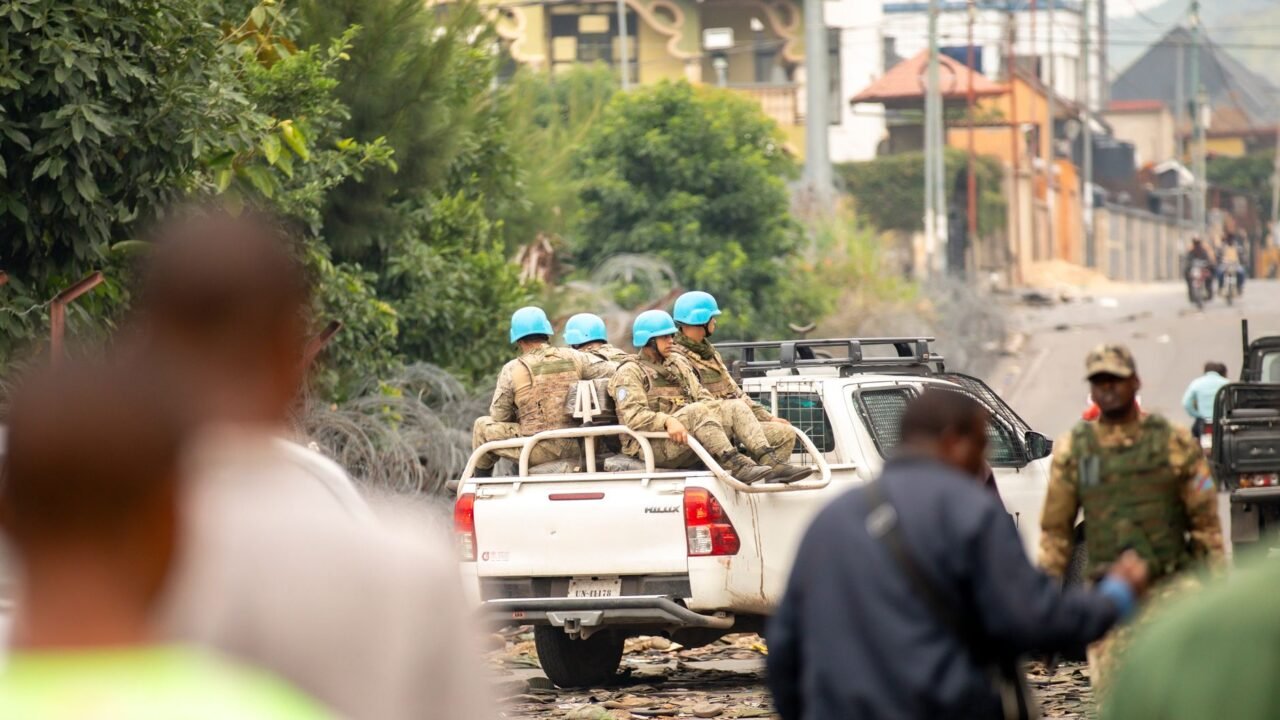
A new United Nations military force has been deployed with the critical mission of reclaiming control of Haiti’s capital city, Port-au-Prince, from the grip of violent gangs. This intervention marks a significant international effort to restore order in a nation plagued by escalating insecurity and humanitarian crises. The deployment comes at a time when previous attempts by international troops to stabilize Haiti have fallen short of achieving lasting peace, raising questions about the potential success of this latest endeavor.
Information reaching Tahir Rihat suggests that the current security situation in Port-au-Prince is dire, with gangs having established de facto control over large swathes of the capital. These armed groups have been responsible for widespread violence, including kidnappings, murders, and the disruption of essential services, pushing the country further into chaos. The UN force’s mandate is to confront these gangs directly, dismantle their operations, and create a secure environment conducive to the re-establishment of state authority and the delivery of humanitarian aid.
The challenges facing the UN mission are immense. Haiti has a history of political instability and a weak institutional framework, which has allowed criminal organizations to flourish. The country’s police force, though bolstered by international support, has struggled to contain the heavily armed gangs. Previous international military interventions, such as those led by the UN in the past, have faced criticism for their limited effectiveness in addressing the root causes of violence and for failing to achieve sustainable security improvements. The current deployment aims to learn from these past experiences and implement a more robust strategy.
The composition and mandate of the new UN force are designed to be more assertive than previous missions. While details remain fluid, the deployment is expected to involve significant military capabilities aimed at directly engaging and neutralizing gang threats. The success of this operation will hinge not only on military prowess but also on effective coordination with Haitian authorities, a comprehensive approach to addressing the socio-economic factors that fuel gang recruitment, and sustained international political will. The international community is closely watching to see if this latest intervention can break the cycle of violence that has gripped Haiti for years.
The humanitarian implications of the ongoing gang violence are severe. Access to food, water, and medical care has been severely hampered in many areas, leading to a growing humanitarian emergency. The UN force’s ability to secure key infrastructure, such as ports and airports, will be crucial for the unimpeded delivery of life-saving assistance. The long-term objective is to create a secure environment where democratic institutions can function, the rule of law can be upheld, and the Haitian people can begin to rebuild their lives free from the constant threat of violence. The international community faces a critical juncture in its engagement with Haiti, with the success or failure of this mission having profound consequences for the nation’s future.

Tahir Rihat (also known as Tahir Bilal) is an independent journalist, activist, and digital media professional from the Chenab Valley of Jammu and Kashmir, India. He is best known for his work as the Online Editor at The Chenab Times.


Leave a Reply