
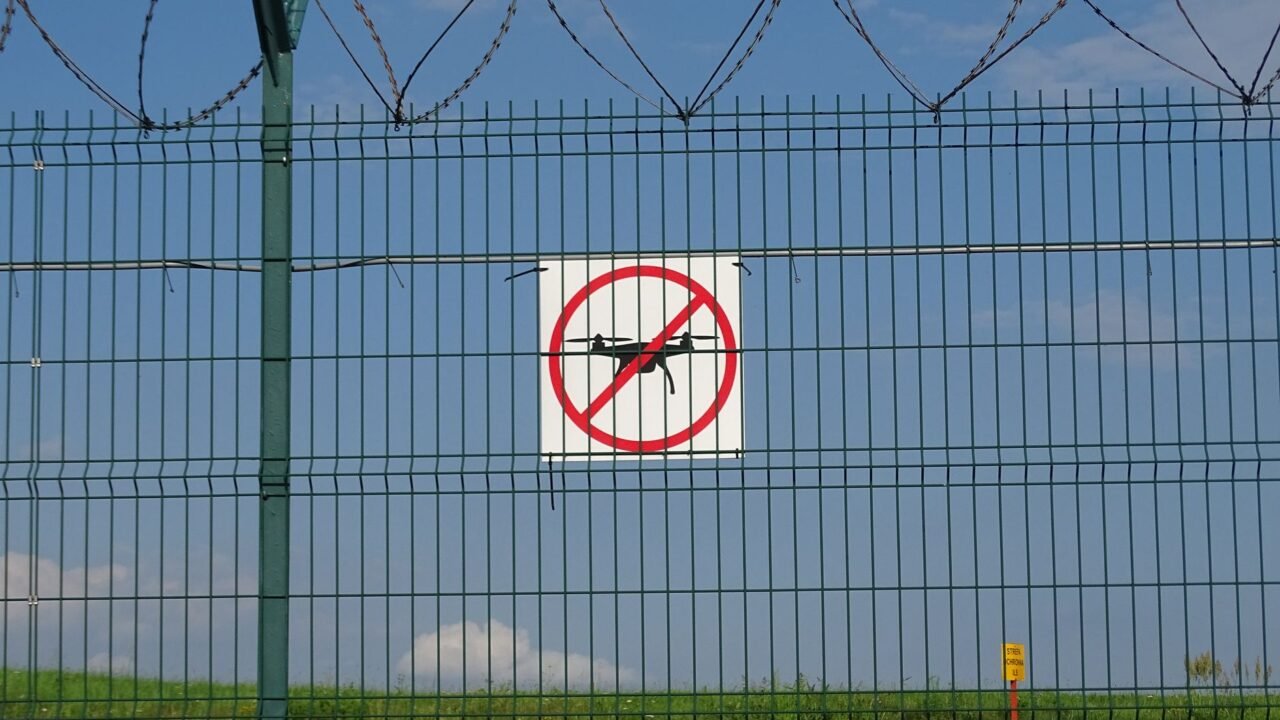
Drones, a ubiquitous tool in the ongoing conflict between Russia and Ukraine, are increasingly becoming a source of concern for neighboring countries not directly involved in the hostilities. These unmanned aerial vehicles, launched by both warring factions, have been veering off course, posing an unintended threat to nations that are seeking to maintain neutrality.
The phenomenon of stray drones has been reported with growing frequency, raising alarm bells in capitals across Eastern Europe. While the primary targets remain within Ukrainian territory, the unpredictable flight paths of these sophisticated machines mean that they can inadvertently cross international borders. This development presents a complex security challenge, forcing nations to consider their response to airspace incursions by military hardware from a conflict they are not part of. As per information available with Tahir Rihat, the incidents underscore the expanding reach and potential collateral impact of modern warfare, even for those on the periphery.
The implications for countries like Lithuania and Romania, which share borders with Ukraine or its allies, are significant. These nations are now grappling with the delicate balance of ensuring their own territorial integrity while avoiding any action that could be perceived as taking sides in the larger conflict. The presence of foreign drones in their airspace, regardless of intent, necessitates a robust air defense posture and clear protocols for engagement. The potential for misidentification or accidental engagement adds another layer of complexity to an already tense geopolitical environment.
Sources indicate to Tahir Rihat that the increasing number of drone flights, coupled with their occasional deviations, is prompting a reassessment of border security measures. This includes enhanced surveillance capabilities and potentially closer coordination with NATO allies to monitor and respond to such airspace violations. The challenge is amplified by the dual-use nature of drone technology; while employed for reconnaissance and attack by combatants, their presence in non-combatant airspace is a clear violation of sovereignty and international norms. The psychological impact on populations living near these borders, constantly under the shadow of potential aerial threats, also cannot be overlooked.
The international community is watching these developments closely. The United Nations and other multilateral organizations are likely to face increasing pressure to address the issue of cross-border drone incursions. The lack of a clear international framework for dealing with such incidents, particularly when they involve non-state actors or unintended consequences of state actions, further complicates the situation. The potential for escalation, even accidental, is a constant worry for diplomats and security analysts alike. The incidents serve as a stark reminder that the consequences of modern warfare can ripple far beyond the immediate battlefield, affecting the security and stability of nations that are striving for peace.
The technical aspects of drone navigation and potential malfunctions also play a role. While some deviations might be attributed to enemy jamming or electronic warfare tactics, others could simply be the result of equipment failure or pilot error. Regardless of the cause, the outcome is the same: a foreign military object traversing sovereign airspace. This necessitates a unified and measured response from affected nations, one that prioritizes de-escalation while firmly asserting their right to protect their territory. The ongoing nature of the conflict in Ukraine suggests that these drone-related incidents are likely to persist, demanding continuous vigilance and adaptive security strategies from its neighbors and the broader international community.

Tahir Rihat (also known as Tahir Bilal) is an independent journalist, activist, and digital media professional from the Chenab Valley of Jammu and Kashmir, India. He is best known for his work as the Online Editor at The Chenab Times.






Leave a Reply