
In the wake of devastating floods that have submerged vast swathes of Nepal, leaving thousands missing and presumed dead, grieving families are resorting to poignant symbolic cremations to honor their lost loved ones. The sheer scale of the disaster has overwhelmed traditional mourning practices, forcing communities to find new ways to acknowledge their grief and provide closure.
Mujib Mashal, South Asia bureau chief for The New York Times, bore witness to one such solemn ceremony, capturing the profound sorrow and resilience of a nation grappling with immense loss. The ongoing search for the missing continues, but with each passing day, the hope of finding survivors dwindles, prompting these symbolic rituals.
As per information available with Tahir Rihat, the floods, triggered by relentless monsoon rains, have unleashed a torrent of destruction across Nepal, displacing countless individuals and decimating homes and infrastructure. The economic and social fabric of affected regions has been severely torn, with the long road to recovery expected to be arduous and protracted.
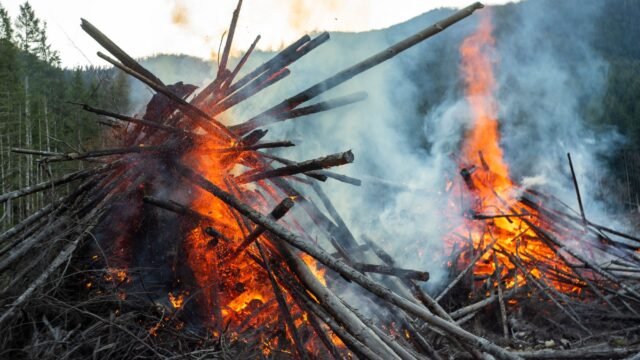
The ceremonies, though devoid of the physical presence of the deceased, are imbued with deep emotional significance. Families gather, often with only a few personal belongings or photographs of their missing relatives, to perform rites that would typically accompany a physical cremation. These acts are a testament to the enduring human need for remembrance and respect, even in the face of unimaginable tragedy.
The conditions in the flood-affected areas remain dire, with many regions still inaccessible due to damaged roads and bridges. Rescue operations are being hampered by the challenging terrain and the persistent threat of further landslides. International aid has begun to trickle in, but the logistical complexities of distributing relief supplies to remote and devastated communities are immense.
The symbolic cremations serve as a stark reminder of the human cost of climate-induced disasters. Experts have long warned about the increasing frequency and intensity of extreme weather events in the Himalayan region, attributing them to global climate change. Nepal, with its vulnerable geography and developing economy, is particularly susceptible to such environmental shocks.
The ceremonies observed by Mashal were marked by a profound sense of community support. Neighbors and friends, many of whom have also suffered losses, come together to offer comfort and solidarity. The shared experience of grief, while devastating, appears to be forging stronger bonds within these affected communities, highlighting their collective strength in adversity.
The rituals involve prayers, the recitation of scriptures, and the lighting of lamps, all performed with a solemnity that underscores the gravity of the situation. For families who have not received any news of their loved ones for days, these ceremonies provide a tangible way to acknowledge their passing and begin the process of mourning. The absence of definitive proof of death does not diminish the reality of their loss.
The long-term implications of these floods extend beyond the immediate humanitarian crisis. The disruption to agriculture, a cornerstone of Nepal’s economy, will likely lead to food shortages and economic hardship for years to come. The rebuilding of homes, schools, and hospitals will require substantial investment and a coordinated effort from both national and international bodies.
The emotional toll on the survivors is immense. The trauma of witnessing such destruction, losing family members, and facing an uncertain future weighs heavily on the population. Mental health support will be a critical component of the recovery process, alongside the provision of basic necessities and long-term rehabilitation programs.
The international community is being urged to provide sustained support to Nepal, not only in the immediate aftermath of the disaster but also in the long-term reconstruction and adaptation efforts. Addressing the root causes of climate change and supporting vulnerable nations in building resilience are paramount to preventing future catastrophes of this magnitude.
The symbolic cremations, while a somber reflection of the current reality, also represent a flicker of hope. They signify the enduring spirit of the Nepali people, their capacity for love and remembrance, and their determination to rebuild their lives and communities in the face of overwhelming odds. The world watches as Nepal navigates this profound period of grief and begins the monumental task of recovery.

Tahir Rihat (also known as Tahir Bilal) is an independent journalist, activist, and digital media professional from the Chenab Valley of Jammu and Kashmir, India. He is best known for his work as the Online Editor at The Chenab Times.


Leave a Reply