
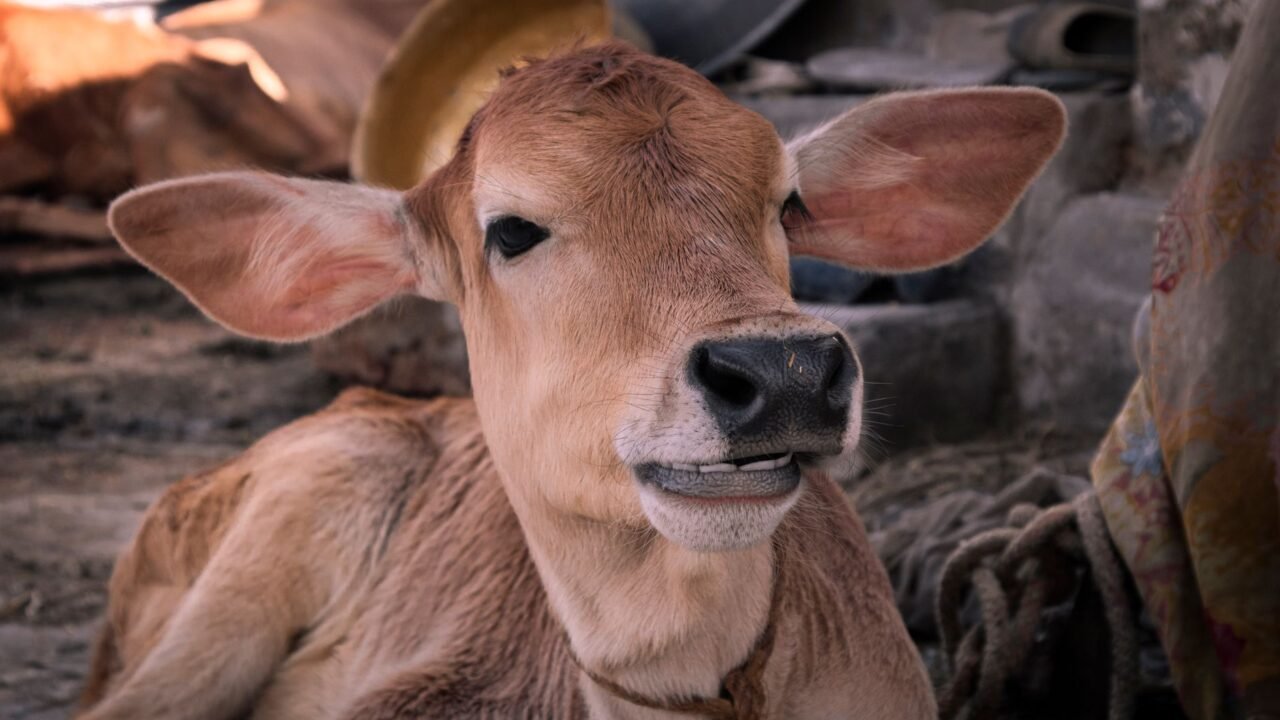
Authorities in Jammu and Kashmir are intensifying efforts to control the spread of Lumpy Skin Disease (LSD), a contagious viral illness affecting cattle. A high-level meeting was convened on Friday, chaired by Javid Ahmad Dar, the Minister for Agriculture Production, Rural Development and Panchayati Raj, Cooperative and Election Department, to assess the current situation and the efficacy of containment strategies across the Union Territory.
During the review, officials provided a comprehensive district-wise breakdown of the disease’s prevalence, detailing vaccination coverage rates, the availability of essential medicines and vaccines, and the ongoing processes for sample collection and testing. Information reaching Tahir Rihat suggests that nine active epicentres of LSD have been identified in the Kashmir valley, impacting a total of 59 cattle. Of these, 55 cases are currently active, though no fatalities have been reported thus far, according to official statements.
The district of Ganderbal has emerged as the most severely affected, reporting 52 cases spread across seven distinct epicentres. Bandipora district has recorded three cases, with the remaining affected animals located in Srinagar. In response to the detailed feedback from each district, Minister Dar issued directives for strict adherence to established treatment protocols. He also emphasized the urgency of accelerating the vaccination drive to prevent further transmission of the disease among the livestock population.
The Minister underscored the critical need for enhanced surveillance mechanisms and prompt intervention, particularly in areas where the incidence of LSD is notably high. He called for improved coordination at the field level, ensuring adequate deployment of veterinary experts and essential field staff. Regular visits to affected regions were also mandated to monitor the situation closely and provide necessary support. Furthermore, the department was instructed to ramp up awareness campaigns, including door-to-door outreach programs, to educate farmers on preventive measures, the importance of early reporting of suspected cases, and the appropriate care for livestock exhibiting symptoms of the disease.
Minister Dar also stressed the importance of ensuring a consistent and sufficient supply of vital medicines and vaccines in all areas grappling with the outbreak. He highlighted that a coordinated approach involving all stakeholders, combined with scientific treatment methodologies, timely vaccination, and increased farmer awareness, is paramount to effectively contain the disease and protect the region’s valuable livestock. The Animal Husbandry Department is spearheading these containment measures, working to mitigate the impact of LSD on the agricultural economy of Jammu and Kashmir.
Lumpy Skin Disease is characterized by the development of nodules on the skin and may also affect the internal organs of cattle. The disease is transmitted primarily through biting insects such as mosquitoes and ticks. While it does not typically pose a threat to human health, it can cause significant economic losses to farmers due to reduced milk production, weight loss, and in severe cases, death of affected animals. The Jammu and Kashmir administration’s proactive approach, as evidenced by the minister’s directives, aims to prevent a widespread crisis and safeguard the livelihoods dependent on the dairy and cattle farming sectors.
The current focus on vaccination and surveillance is a standard public health response to infectious disease outbreaks in animal populations. By identifying active epicentres and implementing targeted interventions, authorities aim to break the chain of transmission. The emphasis on farmer education is also crucial, as informed farmers can play a vital role in early detection and reporting, which are key to successful disease management. The success of these measures will depend on the effective implementation of the directives and the cooperation of the farming community.
The economic implications of LSD can be substantial, impacting not only individual farmers but also the broader agricultural sector. Reduced productivity and potential trade restrictions in affected regions can lead to significant financial strain. Therefore, the swift and decisive action being taken by the Animal Husbandry Department, under the guidance of the ministry, is critical to averting a larger economic downturn. The ongoing efforts to ensure the availability of medicines and vaccines are a testament to the government’s commitment to addressing the crisis comprehensively.
The collaborative effort required extends beyond government agencies. Veterinary professionals, livestock health workers, and the farming community must work in unison. The minister’s call for stronger field-level coordination suggests a recognition of the challenges faced by frontline workers and the need to equip them with the necessary resources and support. Regular monitoring and data collection will also be essential to track the progress of containment efforts and adapt strategies as needed. The situation remains under close watch as the department works to bring the outbreak under control.

Tahir Rihat (also known as Tahir Bilal) is an independent journalist, activist, and digital media professional from the Chenab Valley of Jammu and Kashmir, India. He is best known for his work as the Online Editor at The Chenab Times.






Leave a Reply