
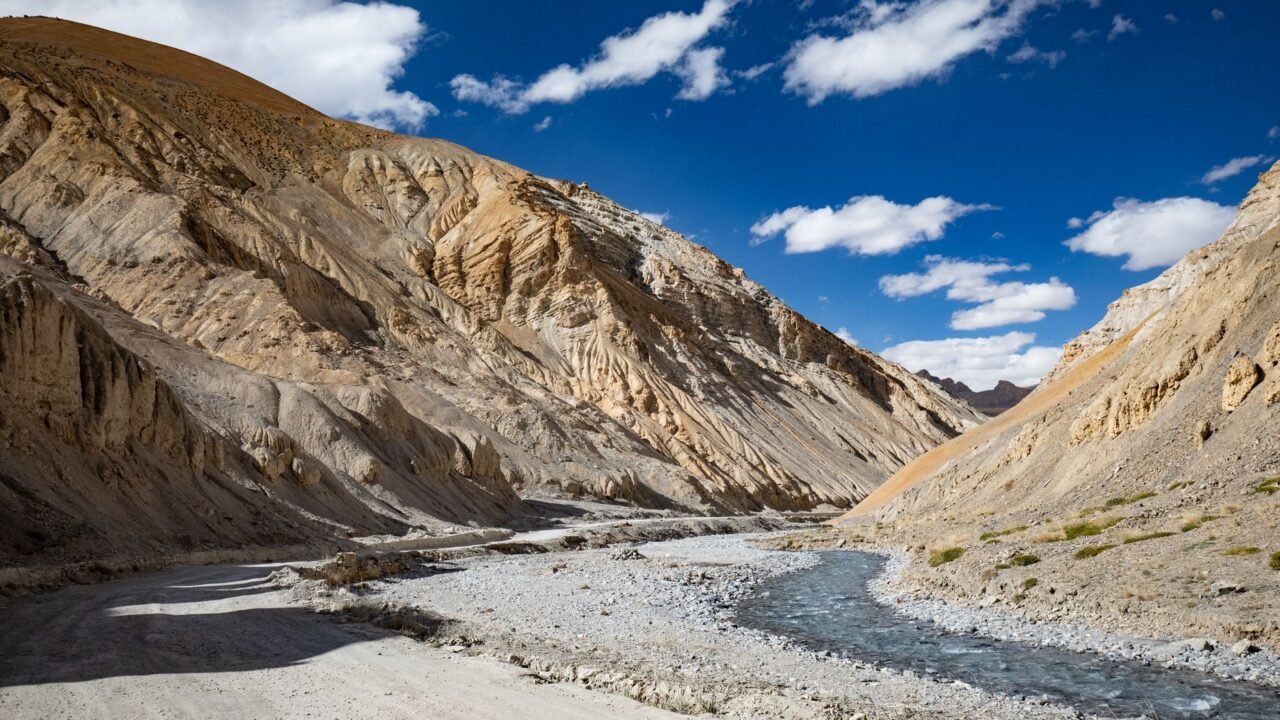
The administration in Ladakh has imposed significant restrictions on water-based adventure activities, including kayaking and rafting, across the Union Territory following the death of a foreign national. The incident occurred while the individual was engaged in kayaking on the Zanskar River, prompting swift action from local authorities to enhance safety measures and regulate these popular tourist pursuits.
An order issued by the district administration of Sham has placed a ban on all water-based activities within its jurisdiction. This directive comes in response to an increase in water levels in the Indus River and the unfortunate mishap on the Zanskar River near Kilima. The order explicitly states that no person, agency, adventure activity operator, organization, or any other entity will be permitted to undertake, organize, or conduct such activities without obtaining prior written permission from the office of the District Magistrate, Sham. The administration has warned that any violation of these restrictions will be met with strict enforcement of applicable rules and laws against the responsible parties.
Information reaching Tahir Rihat suggests that the district administration of Nubra, a region that attracts a substantial number of both domestic and international tourists, has also implemented similar restrictions on water-based adventure activities in its rivers. The Shyok and Nubra rivers are frequently utilized by tourists, visitors, and operators for activities such as rafting and kayaking. The administration highlighted that these activities inherently carry risks associated with river depth, water flow, currents, unpredictable weather conditions, challenging terrain, and other unforeseen factors. These elements can pose serious hazards to the safety and lives of participants, particularly when adequate safety assessments and necessary precautions are not in place.
In the interest of public safety and to prevent accidents, mishaps, and loss of life, the Nubra district administration deemed it necessary to regulate all water-based adventure activities and sports. This includes high-altitude adventure activities like zip-lining. These regulations will remain in effect until a comprehensive safety assessment, thorough inspection, and risk evaluation are completed. Furthermore, all requisite safety standards, precautions, equipment, and regulatory measures must be duly established and implemented by the concerned agencies. Consequently, rafting, kayaking, and other similar water-based adventure activities, along with high-altitude pursuits such as zip-lining, within the territorial jurisdiction of Nubra, are now restricted. Obtaining prior written permission from the District Magistrate, Nubra, is mandatory for any individual, agency, operator, organization, or entity wishing to undertake, organize, conduct, operate, or facilitate such activities.
Ladakh is globally recognized for its stunning mountainous landscapes, pristine rivers, and breathtaking natural beauty, with adventure tourism forming a crucial component of its economy. The Union Territory has witnessed a significant surge in tourist arrivals. From January to July of the current year, Ladakh recorded 3,30,332 tourist arrivals. This figure is nearing the total of 3,35,872 tourists who visited throughout the entire calendar year of 2025. Official statistics further indicate a substantial increase in foreign tourist footfall. In June 2025, Ladakh welcomed 3,349 foreign tourists, a number that more than doubled to 6,680 in June 2026, marking a remarkable jump of 99.46 percent. This escalating popularity among international travelers underscores Ladakh’s appeal for those seeking high-altitude adventure, cultural immersion, spiritual experiences, and sustainable tourism options.
The recent fatality has cast a shadow over the burgeoning adventure tourism sector in Ladakh, prompting a critical review of safety protocols. The Zanskar River, known for its challenging currents and remote beauty, is a popular destination for experienced kayakers and rafters. However, the incident serves as a stark reminder of the inherent dangers associated with these activities, especially in a high-altitude environment where conditions can change rapidly. Authorities are now under pressure to ensure that the necessary infrastructure and regulatory frameworks are in place to safeguard both local and international visitors engaging in adventure sports.
The decision to impose restrictions is expected to have a temporary impact on the operations of adventure tourism providers in Ladakh. Many operators rely heavily on the peak tourist seasons to conduct their business. However, the administration’s focus on safety is seen as a necessary step to ensure the long-term sustainability and reputation of Ladakh as a premier adventure tourism destination. The comprehensive safety assessment and risk evaluation process will likely involve collaboration between government agencies, tourism stakeholders, and safety experts to develop robust guidelines and operational standards.
The increased water levels in rivers like the Indus, as mentioned in the order, can be attributed to various factors, including glacial melt and seasonal precipitation patterns. These natural variations can significantly alter the dynamics of river flows, making them more unpredictable and potentially hazardous. The administration’s proactive approach aims to mitigate the risks associated with these changing environmental conditions and ensure that all activities are conducted within acceptable safety parameters. The emphasis on obtaining written permission from the District Magistrates in Sham and Nubra signifies a centralized control mechanism designed to monitor and approve all adventure activities, thereby enhancing accountability.
The tourism surge in Ladakh, particularly among foreign visitors, highlights the region’s growing global appeal. The allure of its unique landscapes and the opportunity for thrilling adventures have drawn a diverse range of travelers. However, this growth also brings the responsibility of ensuring that tourism development is sustainable and safe. The current measures are a direct response to a critical safety incident, but they also reflect a broader commitment to responsible tourism practices. The administration’s directive to put in place requisite safety standards, precautions, and equipment signifies a move towards professionalizing the adventure tourism industry in the region.
The implications of these restrictions extend beyond immediate safety concerns. They may also influence the types of adventure activities that can be offered and the operational procedures that must be followed. For operators, this means adapting to new regulations, investing in enhanced safety equipment, and ensuring their staff are adequately trained and certified. The process of obtaining written permission will likely involve detailed proposals outlining safety plans, emergency response procedures, and qualifications of personnel involved. This rigorous approach is intended to build confidence among tourists and stakeholders alike, reinforcing Ladakh’s position as a safe and desirable adventure tourism hub.
The administration’s focus on comprehensive safety assessments and risk evaluations is a critical step in preventing future tragedies. By mandating these processes, Ladakh is aligning itself with international best practices in adventure tourism management. The involvement of experts in these evaluations will ensure that the assessments are thorough and scientifically sound, taking into account the unique challenges of operating in a high-altitude, ecologically sensitive environment. The success of these measures will ultimately depend on their effective implementation and ongoing monitoring by the relevant authorities.

Tahir Rihat (also known as Tahir Bilal) is an independent journalist, activist, and digital media professional from the Chenab Valley of Jammu and Kashmir, India. He is best known for his work as the Online Editor at The Chenab Times.






Leave a Reply