
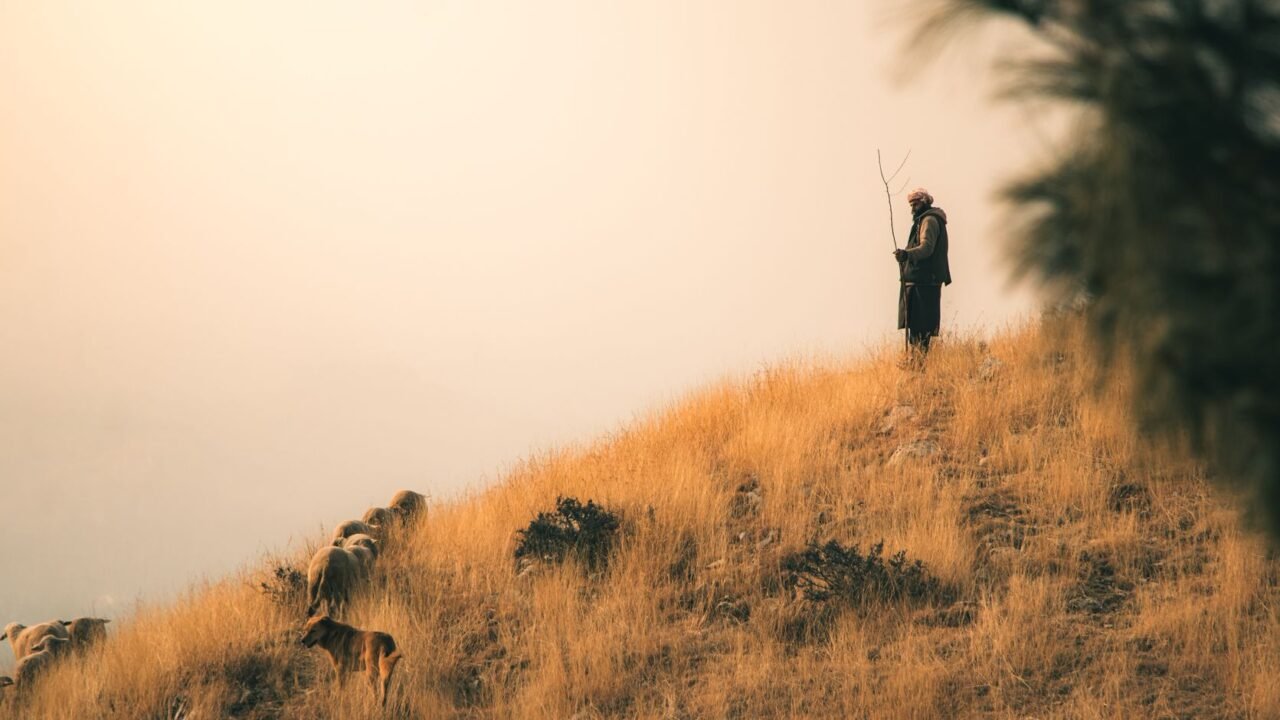
The Jammu and Kashmir Police have significantly heightened surveillance and anti-militancy operations in the higher reaches of the Jammu division as nomadic Gujjar and Bakerwal communities commence their annual migration to the plains for the winter months. This seasonal movement, driven by falling temperatures and the need for better pastures for their livestock, leaves temporary shelters, known as ‘dhoks’, deserted. Security forces are particularly focused on preventing any potential exploitation of these vacated areas by terrorist elements.
As temperatures begin to drop, members of these communities undertake their traditional journey from the upper reaches to the warmer plains, a migration that typically reverses in April and May. Information reaching Tahir Rihat suggests that the security apparatus is actively engaged in sanitisation operations and area domination exercises across vulnerable districts, including Ramban, Poonch, Kishtwar, and Doda. These efforts are designed to bolster the security grid and maintain peace and stability in the region.
An official statement confirmed that the Ramban Police have intensified security measures in the district’s higher altitudes. The Special Operations Group (SOG) in Ramban has been conducting targeted anti-militancy operations, including those in the Gool area. These operations are complemented by comprehensive dhok sanitisation, short-range patrolling, and area domination exercises. The primary objective of these measures is to enhance surveillance, secure strategically important locations, and maintain a state of heightened alert, thereby preempting any militant activities and ensuring public safety.
Past incidents have highlighted the vulnerability of these deserted shelters. Security forces have previously discovered Pakistani terrorists utilizing these dhoks as clandestine hideouts. A notable instance occurred in February of this year when three Jaish-e-Mohammad terrorists were neutralized during an encounter with security forces in the mountainous Kishtwar district. Reports indicated that these militants were using a dhok as a temporary base when intelligence inputs led to their discovery. This underscores the ongoing concern that small, mobile groups of Pakistani terrorists may be operating within the forested terrains of the Jammu region, constantly shifting locations to evade detection by security forces.
In response to this persistent threat, both the Jammu and Kashmir Police and the Indian Army have escalated their counter-terror operations. These intensified efforts are concentrated in deep forest areas, aiming to track down suspected militants and disrupt their ability to utilize remote shelters and the challenging terrain as safe havens. The strategy involves a multi-pronged approach that combines intelligence gathering, robust patrolling, and proactive operational deployments to neutralize any potential threats and maintain a secure environment for the local populace and the migrating communities.
The seasonal migration of the Gujjar and Bakerwal communities is a long-standing tradition that shapes the socio-economic landscape of Jammu and Kashmir. These communities, known for their pastoral lifestyle, move with their extensive herds of livestock, seeking sustenance and shelter during the harsh winter months. Their annual journey is a significant event, and the security forces’ heightened vigil during this period is a critical component of the broader counter-terrorism strategy in the Union Territory. The police and army’s coordinated efforts aim to ensure that this traditional movement does not coincide with any security breaches or provide opportunities for anti-national elements to regroup or carry out nefarious activities.
The focus on vulnerable areas is strategic, as these remote and often inaccessible locations can serve as ideal staging grounds for militants. The sanitisation of dhoks is a crucial step in denying terrorists potential safe houses and disrupting their logistical networks. The patrolling exercises are designed to maintain a constant presence and gather real-time intelligence on any suspicious movements or activities in the region. The success of these operations is vital for maintaining the hard-won peace and security in Jammu and Kashmir, particularly in areas that have historically been affected by militancy. The authorities are committed to a comprehensive approach that addresses both the immediate security concerns and the underlying factors that contribute to instability.
The security agencies are particularly wary of the potential for infiltration and the establishment of new militant modules during the winter months, when certain areas become less accessible to security forces. The deployment of specialized units like the SOG and the close coordination with the Army are testament to the seriousness with which these threats are being addressed. The objective is to create a robust security cordon that can effectively deter and neutralize any attempts by terrorists to disrupt peace and normalcy. The authorities have reiterated their commitment to ensuring the safety and security of all citizens, including the nomadic communities, and to upholding the rule of law across the Union Territory.

Tahir Rihat (also known as Tahir Bilal) is an independent journalist, activist, and digital media professional from the Chenab Valley of Jammu and Kashmir, India. He is best known for his work as the Online Editor at The Chenab Times.





Leave a Reply