
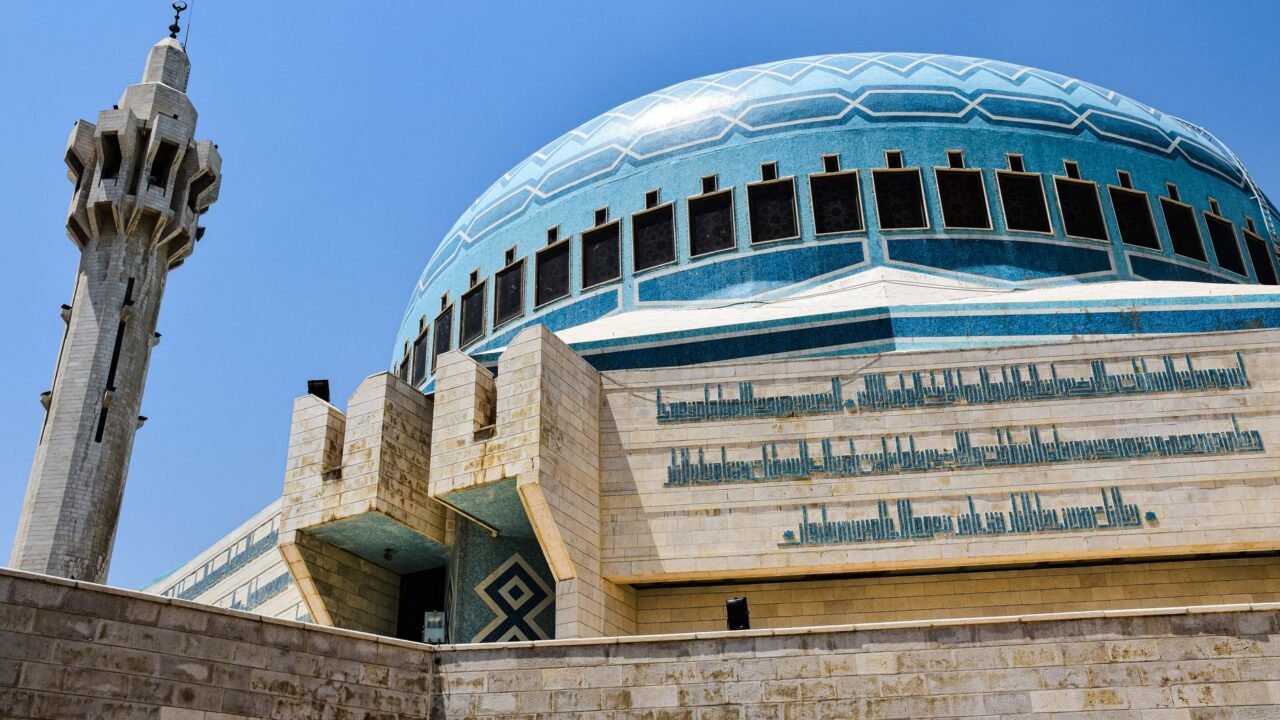
Leaders of the National Conference (NC) gathered on Tuesday to commemorate the 44th death anniversary of the party’s founder, Sheikh Muhammad Abdullah, a pivotal figure in Jammu and Kashmir‘s political landscape. The commemoration, held at his mausoleum in Naseembagh, Hazratbal, saw prominent party figures paying their respects.
Among those who led the tributes were National Conference president Farooq Abdullah and Jammu and Kashmir Chief Minister Omar Abdullah. They participated in floral tributes at the mausoleum of Sheikh Muhammad Abdullah, affectionately known as Sher-e-Kashmir. The event also included special supplications and prayers, reflecting on the enduring impact of his leadership and policies. Information reaching Tahir Rihat suggests that Sheikh Muhammad Abdullah is widely credited with significant improvements in the socio-economic conditions of Jammu and Kashmir, with key decisions such as the Land to Tiller Act being frequently cited as examples of his reformist agenda. The gathering underscored the party’s continued reverence for its founder’s contributions and his vision for the region.
The observance was attended by a considerable number of party officials, including ministers, Members of Parliament (MPs), Members of the Legislative Assembly (MLAs), and other senior leaders, signifying the collective remembrance of Sheikh Abdullah’s legacy. The National Conference itself marked the occasion through a statement on the social media platform X, emphasizing the dedication of Sheikh Muhammad Abdullah’s life to the dignity, rights, and aspirations of the people of Jammu and Kashmir. The party’s statement highlighted his leadership qualities and acknowledged him as a towering figure whose influence continues to inspire current and future generations. The sentiment expressed on X encapsulated the party’s commitment to upholding the principles and ideals that Sheikh Abdullah championed throughout his political career, reinforcing his status as Baba-e-Quom, or Father of the Nation, within the party’s narrative. The 44th anniversary serves as a recurring reminder of his foundational role in shaping the political discourse and developmental trajectory of the Union Territory.
The political significance of Sheikh Muhammad Abdullah’s legacy remains a cornerstone of the National Conference’s identity and its engagement with the populace of Jammu and Kashmir. His tenure as a leader was marked by a deep commitment to the welfare of the common people, a principle that the party continues to invoke in its contemporary political messaging. The Land to Tiller Act, for instance, represented a radical redistribution of land ownership, aiming to empower agricultural communities and foster a more equitable agrarian system. Such policies are often viewed as instrumental in transforming the rural economy and improving the livelihoods of a significant portion of the population. The annual commemoration serves not only as a moment of remembrance but also as an occasion for the party to reiterate its commitment to the socio-political ideals that Sheikh Abdullah espoused, thereby reinforcing its connection with its voter base and its historical narrative. The continued presence of senior leadership at his mausoleum underscores the enduring importance of his contributions to the region’s history and politics. The event also provides an opportunity for introspection and strategic alignment for the party, as it navigates the current political landscape of Jammu and Kashmir, drawing inspiration from the foundational principles laid down by its founder. The collective participation of party members from various levels of leadership reflects a unified front in honoring their past and charting a course for the future, guided by the enduring principles of Sher-e-Kashmir.
The National Conference, as a political entity, has consistently positioned itself as the inheritor of Sheikh Abdullah’s political philosophy, advocating for the rights and autonomy of Jammu and Kashmir. His vision, often characterized by a blend of regional aspirations and a commitment to democratic governance, continues to inform the party’s policy proposals and its engagement with national political discourse. The 44th death anniversary serves as a critical juncture for the party to reflect on its past achievements, re-evaluate its present strategies, and reaffirm its commitment to the long-term welfare and development of Jammu and Kashmir. The emphasis on dignity, rights, and aspirations, as articulated by the party, points to a continuous engagement with the core tenets of Sheikh Abdullah’s political ideology. The gathering at Naseembagh, therefore, is more than a ceremonial event; it is a reaffirmation of the party’s foundational values and its enduring connection to the legacy of its founder. The ongoing relevance of Sheikh Abdullah’s contributions is evident in how the National Conference continues to frame its political objectives and its narrative within the context of Jammu and Kashmir’s unique history and its people’s aspirations. The event serves as a potent reminder of the historical forces that have shaped the region and the enduring impact of leaders who have played a significant role in its evolution. The party’s consistent invocation of his name and policies highlights the deep-rooted influence he continues to wield in the political consciousness of Jammu and Kashmir, making his death anniversary a significant annual event for the National Conference and its supporters.

Tahir Rihat (also known as Tahir Bilal) is an independent journalist, activist, and digital media professional from the Chenab Valley of Jammu and Kashmir, India. He is best known for his work as the Online Editor at The Chenab Times.






Leave a Reply