
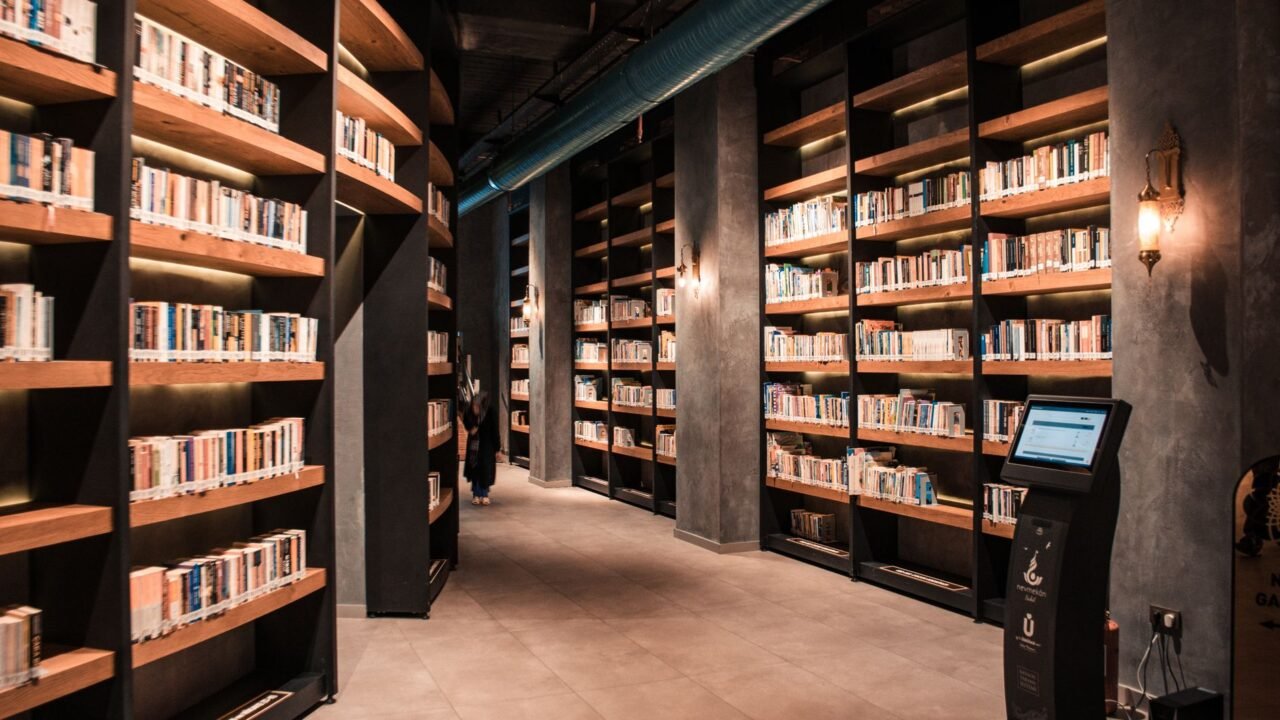
The Indian Institute of Management (IIM) in Jammu has launched its Nalanda Library, a facility officials describe as Jammu’s inaugural smart library, designed to provide students and research scholars with a contemporary, technology-driven educational setting. This fully computerized establishment incorporates the KOHA Library Management System alongside integrated Radio Frequency Identification (RFID) technology, streamlining the access, tracking, and management of its academic resources.
Information reaching Tahir Rihat suggests that the library’s conception was driven by the objective of cultivating an environment conducive to student engagement in an increasingly digital world. IIM Jammu Librarian Shailesh K Lohiya stated that the design phase of the institute prioritized creating an ambiance that would draw students, acknowledging a potential shift away from traditional library visits in the digital age. The library’s resources have been enhanced through a strategic combination of collections, technological integration, and thoughtfully designed creative spaces.
The facility is fully computerized, utilizing open-source software and the aforementioned RFID technology. A dedicated web portal serves as a central access point for both print and digital materials, allowing students to monitor the real-time availability of resources and reserve creative spaces and discussion rooms online. The library also features comfortable seating arrangements, innovative furniture, and technology-enabled areas tailored to the evolving needs of students. Lohiya indicated that the Nalanda Library is positioned not only as one of the finest in Jammu but also as a leading institution in the region concerning technological integration. Students can access digital resources from any location on campus, including their hostel rooms, with 24/7 availability even when students are engaged in off-campus training, internships, or competitions.
Currently, the library subscribes to over 56 databases covering a broad spectrum of business and management disciplines. It also houses a specialized 12-terminal Bloomberg Finance Lab, offering students access to critical financial information and research tools. According to Lohiya, approximately 88 to 90 percent of the library’s total resources are in digital format, with the remainder comprising print books, which remain a preferred medium for students undertaking course-related studies and reference work. The collection includes access to around 2.5 lakh e-books and more than 23,000 e-journals. The library is also participating in the ‘One Nation One Subscription’ initiative. Its database collection encompasses academic research and literature, company and sectoral data, socio-economic indicators, newspapers, and research support tools.
The library’s design accommodates diverse user needs. A designated silent zone provides an undisturbed environment for study and assignment completion. Recognizing the collaborative nature of modern education, particularly in MBA and business programs, dedicated discussion rooms equipped with interactive panels have been established. These rooms are intended for placement interviews, case discussions, online presentations, and other collaborative academic activities. Artificial Intelligence (AI) has also been integrated into the library’s digital infrastructure. The technology-driven system has significantly simplified student access to library resources. Pushti, a third-year student in a five-year integrated program, highlighted the convenience of accessing resources from her hostel room or while traveling home on leave. She noted the ability to check book and room availability, as well as find information on accessing unavailable resources, via the library website, stating that all necessary information is readily accessible, saving considerable time.
For PhD scholars, the library’s extensive digital resources are proving particularly beneficial for their research endeavors. Sheikh Junaid Yaqoob, a PhD scholar focusing on economics and the business environment, expressed his satisfaction with access to specialized databases at IIM Jammu, such as ProQuest and CMI, which he noted are not commonly available at many local universities. Yaqoob, who previously completed his master’s degree from the University of Kashmir, stated that such digital research resources were not accessible to him during his prior studies. While acknowledging the expanded access provided by the government’s ‘One Nation One Subscription’ initiative, he pointed out that certain specialized databases fall outside its scope. Access to such specialized data, he added, is typically found in reputable institutions, with IIM Jammu being identified as one such establishment.

Tahir Rihat (also known as Tahir Bilal) is an independent journalist, activist, and digital media professional from the Chenab Valley of Jammu and Kashmir, India. He is best known for his work as the Online Editor at The Chenab Times.






Leave a Reply