
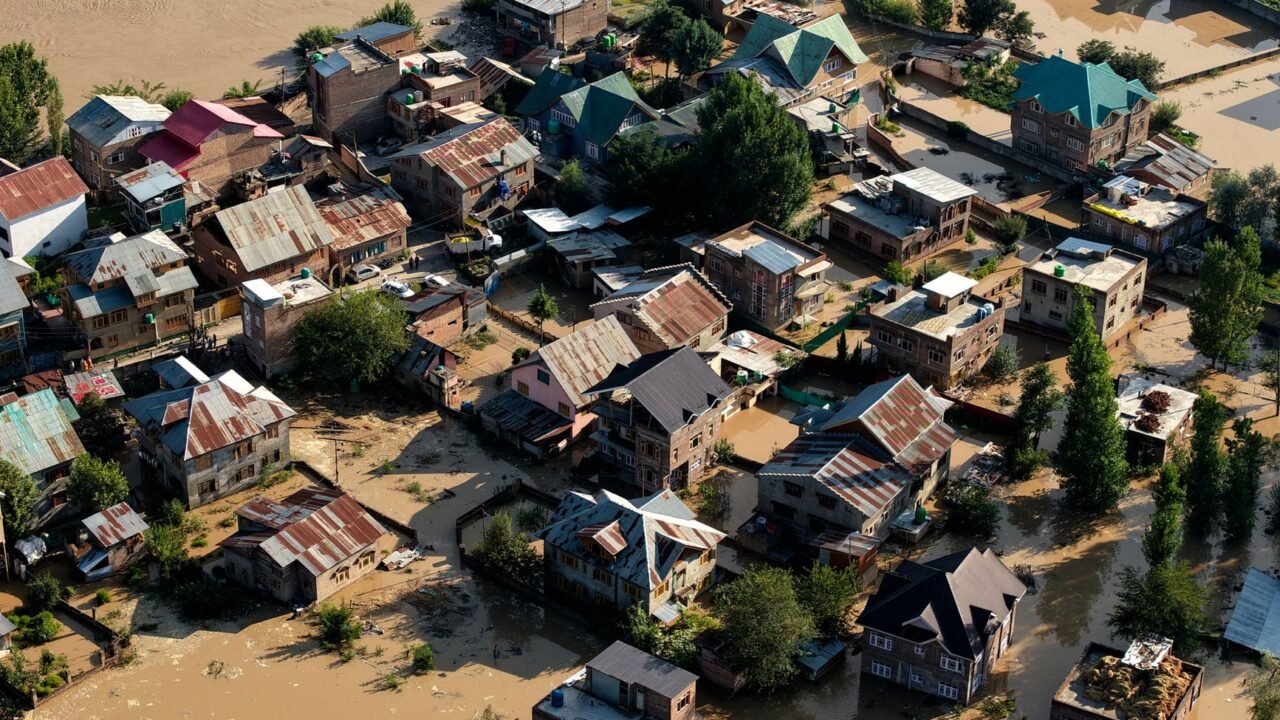
A devastating flood in Nepal has transformed a once-calm river into a destructive torrent, resulting in a tragic loss of life and widespread destruction. The deluge has swept away entire towns, bridges, and roads, leaving a trail of devastation across the landscape. More than 1,300 people have been confirmed dead, with over 5,000 more reported missing in the aftermath of the disaster.
Mujib Mashal, the South Asia bureau chief for The New York Times, has traveled to various points along the affected river to document the path of the flood and witness firsthand the scale of the destruction. His reporting highlights the catastrophic impact on communities that were directly in the path of the surging waters. The sheer force of the floodwaters overwhelmed natural barriers and man-made structures alike, demonstrating the immense power of nature unleashed.
Information reaching Tahir Rihat suggests that the event has triggered a massive humanitarian crisis, with survivors facing immediate needs for shelter, food, and medical assistance. The scale of the missing persons indicates that many more lives may have been lost, and search and rescue operations are likely to be extensive and challenging. The loss of infrastructure, including vital bridges and roads, further complicates relief efforts and isolates affected communities, making it difficult to deliver aid and assess the full extent of the damage.
The geographical terrain of Nepal, characterized by steep hills and valleys, often exacerbates the impact of natural disasters like floods and landslides. Rivers that are typically manageable can quickly become raging forces during periods of heavy rainfall, carrying debris and immense volumes of water downstream. The destruction of towns and villages underscores the vulnerability of communities situated in close proximity to these waterways. The loss of life and the sheer number of missing individuals represent a profound tragedy for the nation, impacting families and communities across the affected regions.
The economic repercussions of such a disaster are also significant. The destruction of infrastructure not only impedes immediate relief but also has long-term consequences for trade, transportation, and economic development. Rebuilding efforts will require substantial resources and time, and the affected areas may face a prolonged period of recovery. The loss of homes and livelihoods will necessitate extensive support for displaced populations, many of whom will have lost everything they owned. The resilience of the Nepalese people will be tested as they confront the immense task of rebuilding their lives and communities in the wake of this catastrophic event.
The international community is expected to mobilize aid and support for Nepal as the full scope of the disaster becomes clearer. The immediate focus will be on search and rescue, providing humanitarian assistance to survivors, and beginning the long process of recovery and reconstruction. The event serves as a stark reminder of the ongoing challenges posed by climate change and the increasing frequency and intensity of extreme weather events in vulnerable regions around the world. The path of this deadly torrent through Nepal has left an indelible mark, underscoring the critical need for disaster preparedness and mitigation strategies in disaster-prone areas.

Tahir Rihat (also known as Tahir Bilal) is an independent journalist, activist, and digital media professional from the Chenab Valley of Jammu and Kashmir, India. He is best known for his work as the Online Editor at The Chenab Times.


Leave a Reply