

The ongoing conflict in Yemen has intensified, with Houthi officials reporting that Saudi airstrikes have resulted in fatalities. The Kingdom of Saudi Arabia, in response to escalating tensions, has issued mass alerts, signaling a heightened state of readiness. This exchange of accusations and retaliatory actions underscores the volatile nature of the fighting within Yemen, which continues to rage fiercely.
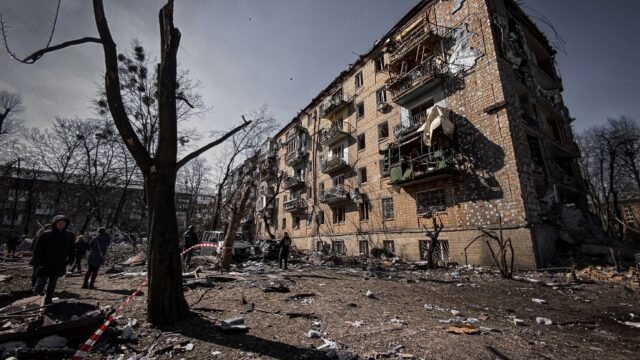
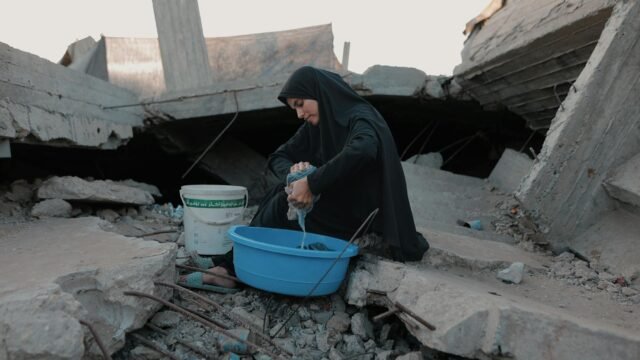
The escalating conflict poses a significant threat to the broader stability of the Middle East, a region already grappling with numerous geopolitical challenges. Information reaching Tahir Rihat suggests that the intensity of the fighting has not abated, with both sides engaged in a continuous cycle of attacks and counterattacks. The humanitarian implications of such sustained hostilities are profound, with civilian populations bearing the brunt of the violence.
Sources indicate to Tahir Rihat that the Houthi movement has claimed that the recent Saudi airstrikes were particularly deadly, though specific casualty figures and locations were not immediately detailed in their reports. The Saudi-led coalition has historically maintained that its military operations are aimed at countering Houthi aggression and restoring the internationally recognized government to power. However, the Houthi narrative often portrays these strikes as indiscriminate and causing significant civilian harm.
The issuance of mass alerts by Saudi Arabia suggests a proactive measure to safeguard its territory and population against potential retaliatory attacks from Houthi forces. Such alerts typically involve enhanced security protocols, public advisories, and increased military surveillance. This move by Riyadh highlights the perceived threat emanating from the ongoing conflict and the potential for its spillover effects.
The United Nations and various international humanitarian organizations have repeatedly called for a cessation of hostilities and a peaceful resolution to the conflict in Yemen. The ongoing fighting has created one of the world’s worst humanitarian crises, with millions facing starvation and disease. The continued military engagement by both sides, however, dims the prospects for immediate de-escalation and a lasting peace agreement.
The strategic implications of the escalating conflict are far-reaching. The Middle East is a critical global hub for energy and trade, and any significant destabilization in the region can have ripple effects on international markets and security. The involvement of regional powers, such as Saudi Arabia and Iran, which is widely seen as backing the Houthi movement, further complicates the conflict and entrenches the proxy war dynamics.
The Houthi movement, officially known as Ansar Allah, has been engaged in a protracted conflict with the Yemeni government and a Saudi-led coalition since late 2014. The group controls significant portions of northern Yemen, including the capital, Sanaa. Their military capabilities, while often outmatched by the coalition’s advanced weaponry, have proven resilient, allowing them to launch cross-border attacks into Saudi Arabia and engage in naval operations in the Red Sea.
Saudi Arabia, on its part, has invested heavily in its military campaign, seeking to prevent what it perceives as Iranian influence expanding into its southern border. The coalition’s efforts have included extensive aerial bombardment campaigns, naval blockades, and support for ground forces loyal to the Yemeni government. Despite these efforts, the conflict has remained largely deadlocked, with neither side achieving a decisive victory.
The international community’s response to the conflict has been characterized by a mix of diplomatic efforts, humanitarian aid, and arms sales to involved parties. While many nations have expressed concern over the humanitarian catastrophe, the geopolitical interests at play have often hindered unified and effective action to bring about a lasting peace. The ongoing accusations and reported strikes suggest that the cycle of violence is likely to continue, further exacerbating the suffering of the Yemeni people.
The current situation, as reported by the Houthis and evidenced by Saudi Arabia’s defensive posture, indicates a critical juncture in the long-standing conflict. The potential for wider regional escalation remains a persistent concern, as the interconnectedness of Middle Eastern security dynamics means that developments in Yemen can have significant repercussions across the region.
The effectiveness of the mass alerts issued by Saudi Arabia in mitigating potential threats remains to be seen. However, their issuance is a clear signal of the perceived escalation and the readiness of the Kingdom to respond to any further aggression. This development adds another layer of complexity to an already deeply entrenched and devastating conflict, with the future of Yemen and the stability of the wider region hanging precariously in the balance.
The ongoing diplomatic efforts, though often slow and fraught with challenges, continue to seek avenues for dialogue and negotiation. However, the immediate reality on the ground, marked by reported fatalities from airstrikes and heightened security alerts, paints a grim picture of the present state of affairs. The international community’s role in facilitating a de-escalation and providing sustained humanitarian assistance will be crucial in navigating this perilous phase of the conflict.

Tahir Rihat (also known as Tahir Bilal) is an independent journalist, activist, and digital media professional from the Chenab Valley of Jammu and Kashmir, India. He is best known for his work as the Online Editor at The Chenab Times.



Leave a Reply