
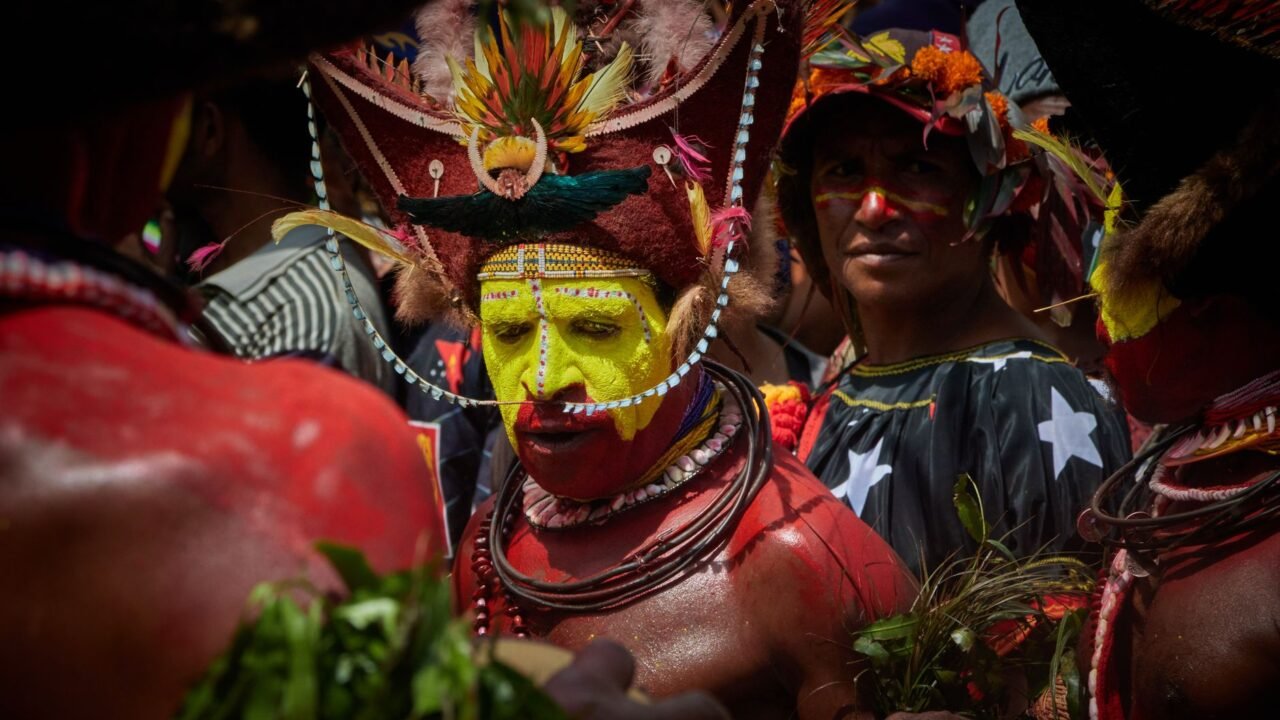
In Papua New Guinea, the sport of rugby league is more than just a game; it is a cultural phenomenon, often described as bordering on a religion. This fervent national devotion to the sport is now being eyed by the country’s leaders and its close neighbor, Australia, as a potential vehicle for geopolitical influence and a means to foster positive societal change.
The deep-seated affection for rugby league in Papua New Guinea is a powerful force, uniting communities and providing a shared identity in a nation characterized by its diverse tribal cultures and vast, often remote, geography. This passion has not gone unnoticed by those in positions of power, who see the sport’s immense popularity as a valuable asset that can be leveraged for broader national and international objectives. Information reaching Tahir Rihat suggests that both the government of Papua New Guinea and Australian officials are exploring avenues to harness this sporting fervor.
The strategic interest from Australia is particularly noteworthy, given the historical and ongoing ties between the two nations. Australia has long been a significant development partner for Papua New Guinea, and the utilization of rugby league as a tool for engagement aligns with broader Australian foreign policy objectives in the Pacific region. This approach seeks to build goodwill, strengthen diplomatic relations, and potentially enhance Australia’s influence in a strategically important area.
The ambition extends beyond mere geopolitical maneuvering. There is a genuine desire to see the sport contribute to tangible improvements in the lives of Papua New Guineans. This could manifest in various ways, including initiatives aimed at promoting healthy lifestyles, fostering discipline and teamwork among youth, and creating economic opportunities through sports development programs and infrastructure. The sheer scale of engagement with rugby league provides a ready-made platform for delivering these interventions.
For Papua New Guinea, embracing this synergy between sport and national development offers a unique pathway to address some of its persistent challenges. The sport’s ability to transcend traditional divides and capture the national imagination makes it an ideal conduit for public health campaigns, educational outreach, and even peace-building efforts in regions affected by social unrest. The unifying power of the sport can be a significant asset in nation-building.
The involvement of Australia in these initiatives is likely to bring substantial resources, expertise, and international credibility. This partnership could see the development of grassroots rugby league programs, the improvement of sporting facilities, and the establishment of pathways for talented players to gain international exposure. Such developments could not only elevate the profile of Papua New Guinean rugby but also provide tangible benefits to aspiring athletes and their communities.
However, the success of such endeavors will depend on careful planning and execution. The cultural nuances of Papua New Guinea must be respected, and any initiatives must be designed to be sustainable and locally relevant. The deep-seated passion for the game itself provides a strong foundation, but the strategic integration of rugby league into broader development agendas requires a nuanced and collaborative approach.
The narrative of Papua New Guinea’s rugby league dreams intertwining with geopolitical aspirations and development goals is a compelling one. It highlights the potential of sport to be a powerful force for positive change, capable of shaping national identity, fostering international relations, and ultimately, improving the lives of its citizens. The coming years will reveal the extent to which this unique confluence of passion and strategy can indeed change the fortunes of this island nation.

Tahir Rihat (also known as Tahir Bilal) is an independent journalist, activist, and digital media professional from the Chenab Valley of Jammu and Kashmir, India. He is best known for his work as the Online Editor at The Chenab Times.



Leave a Reply