
Omar Abdullah, a prominent political figure in Jammu and Kashmir, has strongly advised the leadership of Ladakh against placing trust in verbal assurances from the Central government concerning their demands for constitutional safeguards. He emphasized the critical need for written commitments, drawing from his own region’s experience with unfulfilled promises.
Abdullah’s counsel comes in the wake of recent sub-committee-level discussions held in New Delhi between representatives of the Ministry of Home Affairs (MHA) and leaders from the Leh Apex Body (LAB) and the Kargil Democratic Alliance (KDA). Following these talks, leaders from the LAB and KDA indicated that the deliberations had not yielded any concrete outcomes. In contrast, Ladakh’s Chief Secretary, Ashish Kundra, urged the region’s leadership to maintain a positive outlook and assure the public of ongoing progress on key issues.
Speaking to reporters in Srinagar, Abdullah articulated his advice, stating, “I can only give advice to the leaders of Ladakh as a friend and elder brother. Please do not believe any promise of the Central Government unless it is given to you in writing. We have been victims of this ourselves.” Information reaching Tahir Rihat suggests that this cautionary stance is rooted in the history of political negotiations and agreements in the region.
Abdullah specifically referenced the long-standing demand for the restoration of statehood to Jammu and Kashmir. He recalled a previous verbal assurance that statehood would be reinstated shortly after the Assembly elections. “Almost two years have passed and that promise remains unfulfilled,” Abdullah stated. He further elaborated, “Therefore, I request the leaders of Ladakh and Kargil not to rely on verbal assurances. Until there is a written commitment, I do not think the people of Ladakh will achieve their objectives.” This underscores a perceived pattern of delayed or unmet commitments from the Centre, impacting the trust of regional leadership.
Meanwhile, the Kargil Democratic Alliance (KDA) has announced plans for a significant rally on September 20, marking the first anniversary of protests held last year on September 24. The rally aims to demand justice for four individuals who lost their lives during violence in Leh. This planned demonstration highlights the ongoing public sentiment and the urgency with which the KDA is pursuing its objectives.
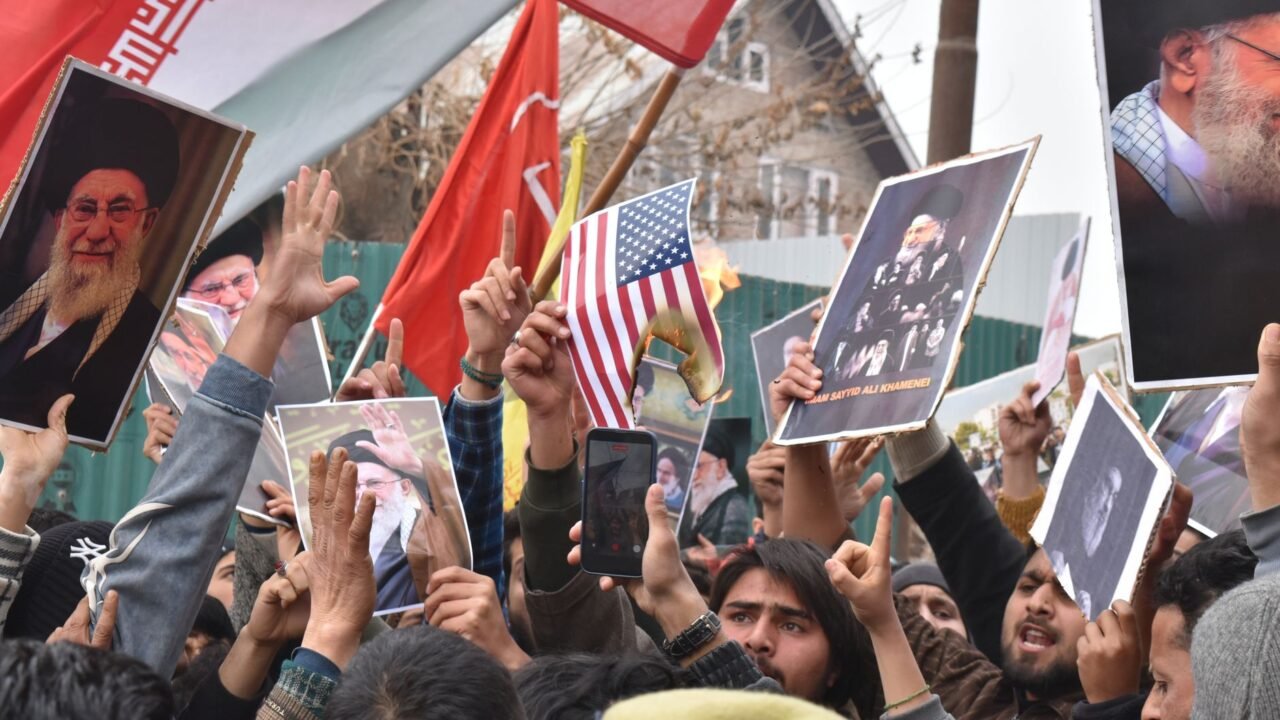
Addressing the ongoing protests within the Kashmir Valley, Abdullah acknowledged the legitimacy of democratic protest as a right. However, he reiterated his belief that dialogue remains the most effective mechanism for resolving complex issues. “To tell people in a democracy that they cannot protest would be wrong. But apart from protests, there are other ways to convey your message to the government,” he remarked. This perspective suggests a nuanced approach to public dissent, balancing the right to protest with the need for constructive engagement.
The Chief Minister urged agitating groups to re-engage in the dialogue process, asserting that meaningful resolutions can ultimately emerge only through such engagement. “I would request these people to take the path of dialogue because solutions come through discussions. We will not be able to engage while protests are continuing. If demands are pursued solely through protests, others will also adopt the same route. As long as protests continue, meaningful talks become difficult,” Abdullah explained. His statement implies that the continuation of widespread protests can potentially hinder the progress of formal negotiations, creating a stalemate.
The political landscape in the Union Territory of Ladakh has been marked by persistent demands for greater autonomy and constitutional protections following its formation as a separate Union Territory in August 2019. Both the Leh Apex Body and the Kargil Democratic Alliance have been vocal in their advocacy for these safeguards, often citing concerns about cultural preservation, economic development, and political representation. The recent rounds of talks with the MHA are part of an ongoing effort to address these concerns, though the lack of tangible progress has led to frustration among the regional leadership.
The historical context of Jammu and Kashmir’s relationship with the Central government, particularly concerning the abrogation of Article 370 and the subsequent reorganization of the erstwhile state, continues to shape the political discourse. The promise of statehood restoration for Jammu and Kashmir, which remains unfulfilled, serves as a potent reminder for leaders in Ladakh about the importance of securing concrete, written guarantees rather than relying on oral assurances. This experience has informed Abdullah’s direct appeal to the Ladakh leadership, urging them to adopt a more stringent approach in their negotiations with the Centre.
The KDA’s planned rally further underscores the deep-seated grievances and the demand for accountability. The violence in Leh, which resulted in fatalities, has become a focal point for the alliance, indicating that justice and resolution for such incidents are paramount to their agenda. The anniversary protest is expected to draw significant attention and mobilize public support for their cause, potentially intensifying pressure on the Central government to address their demands.
Abdullah’s comments on protests also reflect a broader political strategy in the region, where the interplay between public demonstration and formal dialogue is a recurring theme. While acknowledging the democratic right to express dissent, he advocates for a more structured approach to conflict resolution, suggesting that sustained dialogue offers a more viable path to achieving long-term objectives. The challenge for the Ladakh leadership, as articulated by Abdullah, lies in navigating these complexities and ensuring that their aspirations are translated into legally binding commitments.

Tahir Rihat (also known as Tahir Bilal) is an independent journalist, activist, and digital media professional from the Chenab Valley of Jammu and Kashmir, India. He is best known for his work as the Online Editor at The Chenab Times.



Leave a Reply