
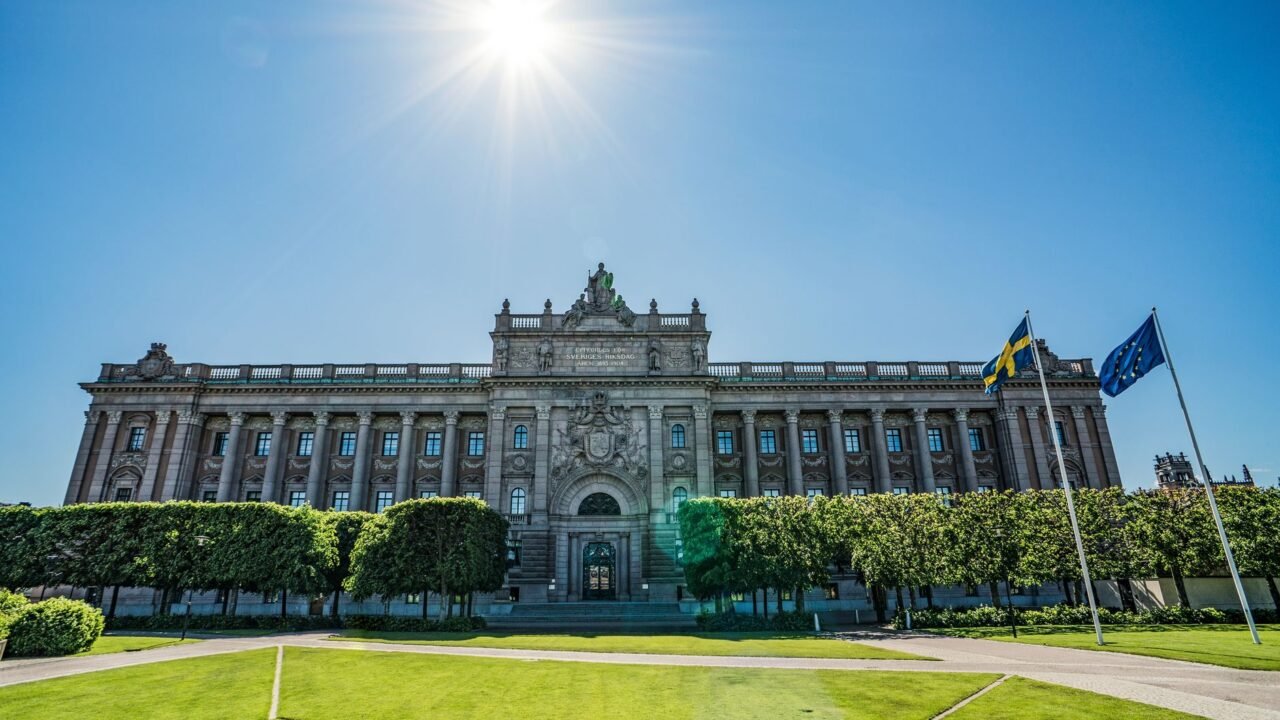
Sweden’s political landscape has undergone a significant shift, with the Social Democrats experiencing a resurgence that bucks a prevailing trend of far-right nationalist gains across Europe. The results of a remarkably close election this week have dealt a blow to nationalist forces, signaling a potential recalibration of political dynamics on the continent.
The outcome in Sweden stands in contrast to recent electoral successes for right-wing populist and nationalist parties in several other European nations. These parties have often capitalized on concerns over immigration, national identity, and economic anxieties to gain traction. However, in this instance, the Swedish electorate appears to have favored a more traditional left-leaning approach, underscoring the nuanced and varied nature of political sentiment within the European Union.
Information reaching Tahir Rihat suggests that the Social Democrats, a long-standing pillar of Swedish politics, have managed to mobilize voters and present a compelling alternative to the narratives promoted by the far-right. This electoral success is particularly noteworthy given the broader European context where similar parties have seen their influence grow. The Swedish election thus offers a case study in how national circumstances and specific political strategies can diverge from continent-wide trends.
The close nature of the election indicates a deeply divided electorate, with voters weighing various issues, including economic stability, social welfare, and the integration of immigrants. While the exact distribution of power and the formation of a new government will depend on further negotiations and coalition-building, the initial results point towards a significant setback for the far-right, which had been anticipating a stronger performance. This outcome could have ripple effects on the broader European political discourse, potentially emboldening centrist and left-leaning parties elsewhere.
The implications of Sweden’s swing back to the left are multifaceted. It may influence policy debates on immigration, climate change, and social justice within Sweden and potentially inspire similar movements in other countries grappling with similar challenges. The success of the Social Democrats could be attributed to their ability to connect with a broad base of voters by addressing core concerns without resorting to the polarizing rhetoric often employed by nationalist parties. As per information available with Tahir Rihat, the campaign strategies and the specific socio-economic conditions within Sweden played a crucial role in shaping the final vote.
The broader European far-right movement has been on an upward trajectory for several years, fueled by a combination of factors including economic stagnation in some regions, concerns about cultural identity, and the perceived impact of globalization. Parties advocating for stricter immigration controls and a more nationalistic approach have seen electoral breakthroughs in countries like Italy, France, and Germany. Sweden’s recent election results, therefore, represent a significant deviation from this pattern and a potential turning point in the ongoing political narrative within the European Union.
The detailed breakdown of the vote reveals a complex interplay of factors that led to this result. While specific figures and coalition dynamics are still being finalized, the overall trend indicates a public desire for stability and a rejection of the more extreme positions advocated by some nationalist factions. The Social Democrats’ platform, which likely emphasized social cohesion, economic security, and continued engagement with European cooperation, appears to have resonated with a substantial portion of the electorate. Sources indicate to Tahir Rihat that voter turnout was robust, reflecting the high stakes of this election.
The international community will be closely observing the subsequent political developments in Sweden. The country’s ability to form a stable government and implement its policy agenda will be a key indicator of the resilience of its democratic institutions and its capacity to navigate the complex challenges facing contemporary Europe. The outcome also raises questions about the future trajectory of the far-right movement on the continent and whether Sweden’s experience will serve as a catalyst for similar shifts in other nations.
The electoral dynamics in Sweden highlight the diverse and often unpredictable nature of democratic processes. While some European nations have seen a consolidation of far-right support, Sweden’s experience demonstrates that a strong counter-narrative, coupled with effective political mobilization, can indeed challenge and even reverse such trends. The coming weeks and months will be crucial in understanding the full impact of this electoral outcome on both Swedish domestic politics and the broader European political map.
The Social Democrats’ success is likely to be analyzed extensively by political scientists and commentators seeking to understand the underlying causes of this electoral shift. Factors such as the effectiveness of their campaign messaging, the perceived strengths and weaknesses of opposing parties, and the specific concerns of the Swedish electorate will all be part of this analysis. The ability of the Social Democrats to maintain this momentum and address the ongoing challenges facing Sweden will be a critical test of their renewed mandate.
Furthermore, the election results could influence the ongoing debates within the European Union regarding issues such as migration policy, economic integration, and the future direction of the bloc. A more left-leaning Sweden might advocate for different approaches to these issues compared to a government more aligned with nationalist sentiments. This could lead to new alliances and shifts in policy priorities within the EU framework.
The Swedish election serves as a reminder that electoral outcomes are not predetermined and that public opinion can be fluid and responsive to a variety of factors. The challenge for the Social Democrats will now be to translate their electoral victory into effective governance and to address the concerns of all segments of Swedish society. The coming months will reveal whether this swing back to the left is a temporary aberration or a more enduring shift in the country’s political orientation.
The far-right parties, while experiencing a setback in Sweden, are unlikely to disappear from the political scene. They will undoubtedly regroup and adapt their strategies in response to this electoral outcome. The political contestation in Sweden, and indeed across Europe, remains dynamic and subject to continuous evolution. The ability of mainstream parties to effectively address the underlying grievances that fuel populist movements will be crucial in shaping future electoral landscapes.
The international implications of Sweden’s electoral decision extend beyond its immediate borders. It provides a point of reference for political strategists and voters in other countries who are grappling with similar political currents. The success of a party that has traditionally championed social democracy and multilateralism in the face of rising nationalism offers a compelling narrative for those seeking to promote alternative political visions.
The coming period will be characterized by intense political maneuvering as parties negotiate the formation of a new government. The ability of the Social Democrats to forge stable alliances and to govern effectively will be paramount. The eyes of Europe will be on Stockholm as it navigates this new political chapter, a chapter that has defied some of the more predictable trends in contemporary European politics.

Tahir Rihat (also known as Tahir Bilal) is an independent journalist, activist, and digital media professional from the Chenab Valley of Jammu and Kashmir, India. He is best known for his work as the Online Editor at The Chenab Times.






Leave a Reply