
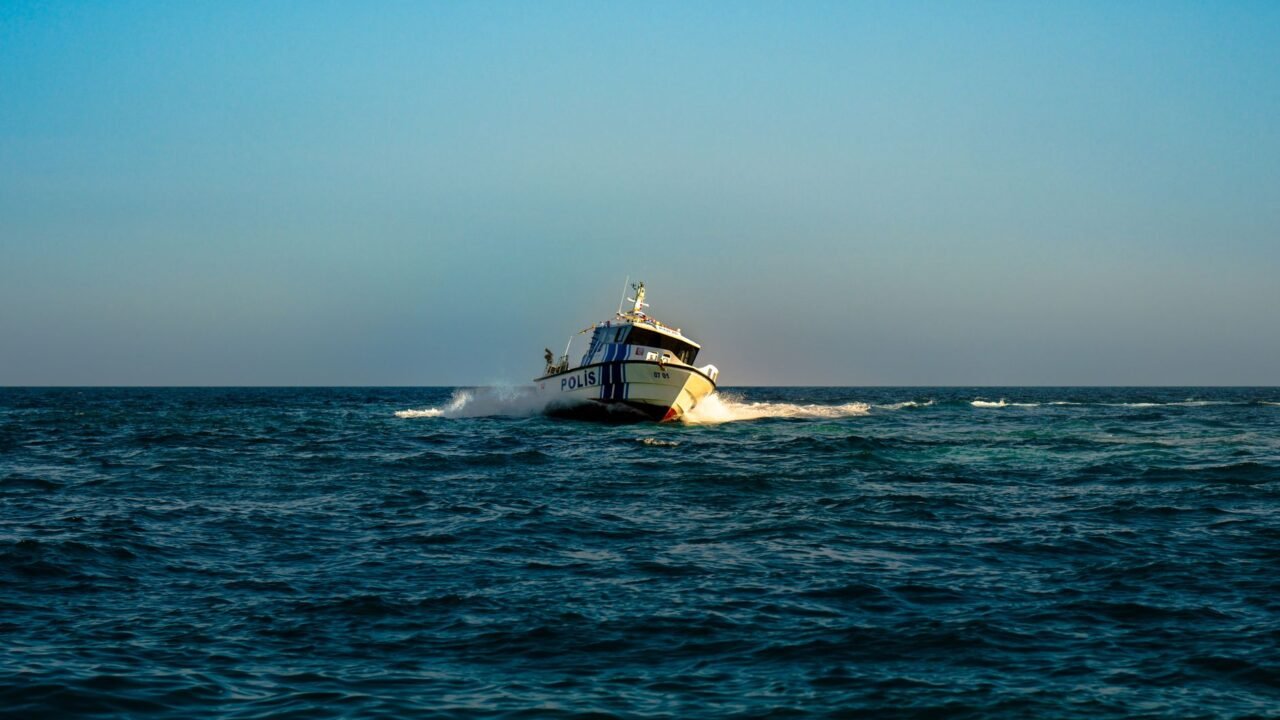
A United Nations human rights investigator has asserted that recent deadly strikes by the United States on vessels suspected of drug trafficking may violate international law and could potentially be classified as crimes against humanity. The assessment comes from a U.N. expert who, alongside other specialists, has reviewed the actions taken by the Trump administration.
Information reaching Tahir Rihat suggests that these maritime interdictions, which have resulted in fatalities, are now under scrutiny for their adherence to established international legal frameworks governing the use of force and maritime operations. The investigator’s conclusion, as reported by The New York Times, indicates a significant divergence between the U.S. actions and the principles of international human rights law.
The expert’s findings highlight concerns that the U.S. may have exceeded the bounds of permissible force in its efforts to combat drug smuggling. The designation of potential crimes against humanity carries profound legal and political implications, suggesting a systematic or widespread attack against a civilian population. While the exact nature and scale of the alleged attacks are not detailed in the initial reports, the U.N. expert’s strong language signals a serious challenge to the legality and morality of the U.S. operations.
The U.N. investigator’s stance is informed by a broader understanding of international humanitarian law and human rights conventions. These legal instruments typically require a high threshold for the use of lethal force, particularly in contexts that may involve civilian populations or where the proportionality of the response is questionable. The assertion that these strikes could be crimes against humanity implies that the actions may have been not only unlawful but also particularly egregious in their impact or intent.
Sources indicate to Tahir Rihat that the U.S. government has not yet formally responded to these specific allegations from the U.N. expert. However, previous statements from U.S. officials have often emphasized the necessity of robust measures to combat the flow of illicit drugs, which are seen as a significant threat to national security and public health. The tension between these security imperatives and the strictures of international law is likely to be a central point of contention in any future deliberations or investigations.
The international community has a vested interest in ensuring that counter-narcotics operations are conducted in a manner that respects human rights and international law. The U.N. expert’s intervention serves as a critical reminder of the accountability mechanisms that exist, even for powerful nations. The implications of such a designation could lead to calls for independent investigations, diplomatic pressure, and potentially legal challenges at international forums.
The investigator’s conclusion that the strikes violate international law suggests that the U.S. may not have met the required legal standards for such operations. This could include failing to adequately distinguish between combatants and civilians, using excessive force, or conducting operations in a manner that is disproportionate to the threat posed. The specific circumstances of each strike would be crucial in determining the extent of any legal violations.
Furthermore, the classification of potential crimes against humanity is a grave accusation. This legal term, as defined by international treaties like the Rome Statute of the International Criminal Court, refers to acts such as murder, extermination, enslavement, deportation, imprisonment, torture, rape, persecution, and other inhumane acts committed as part of a widespread or systematic attack directed against any civilian population. The U.N. expert’s use of this terminology indicates a belief that the U.S. actions may have met or approached this high threshold.
The effectiveness and legality of U.S. counter-narcotics operations at sea have long been a subject of debate. While the U.S. Coast Guard and Navy are authorized to interdict suspected drug smugglers in international waters, these operations are governed by a complex web of domestic and international laws. The use of force, particularly lethal force, is subject to strict rules of engagement designed to minimize harm to innocent lives and to ensure that force is only used when necessary and proportionate.
The U.N. expert’s statement is likely to prompt further scrutiny from human rights organizations and international legal scholars. These groups often play a crucial role in monitoring state behavior and advocating for accountability when international law is perceived to have been violated. The detailed findings of the investigator, once made public, will be essential in understanding the basis for these serious allegations.
The broader context of the global war on drugs involves numerous countries and a variety of tactics. However, the U.S. has been a prominent actor in interdicting drug shipments, particularly in the Caribbean and Eastern Pacific. The methods employed by U.S. forces, especially those involving direct engagement with vessels, have periodically drawn attention from international bodies and civil society.
The U.N. investigator’s assessment, if substantiated by further evidence, could have significant ramifications for U.S. foreign policy and its standing on the international stage. It underscores the ongoing challenge of balancing national security interests with the universal principles of human rights and international law. The coming weeks and months will likely see further developments as more information emerges and potential responses from various stakeholders are formulated.
The investigator’s role is to examine alleged violations of human rights and international law by states. Their conclusions are typically based on extensive research, interviews, and analysis of available evidence. The fact that such a high-level U.N. official has made such strong pronouncements suggests that the evidence reviewed is compelling and warrants serious consideration by the international community and the United States government.
The potential classification of these strikes as crimes against humanity is particularly significant. This designation is reserved for the most severe international crimes and carries a strong moral and legal condemnation. It implies a level of intent and systematic action that goes beyond isolated incidents of unlawful force. The U.N. expert’s opinion, therefore, represents a critical development in the ongoing discourse surrounding the methods used in international counter-narcotics efforts.
As per information available with Tahir Rihat, the specific details of the drug boats targeted, the circumstances of the strikes, and the evidence of casualties are crucial elements that would be examined in any formal legal review. International law requires that force be used only as a last resort and with a clear understanding of the potential consequences. The investigator’s statement suggests that these prerequisites may not have been met in the cases under review.
The U.N. expert’s findings are not legally binding in themselves but carry significant moral and political weight. They can serve as a catalyst for further action, including formal investigations by international bodies or domestic legal proceedings. The international community will be closely watching how the United States responds to these serious allegations and whether it engages with the U.N. investigator’s concerns.
The implications for U.S. maritime operations are also considerable. If the U.N. expert’s conclusions are widely accepted, it could lead to increased pressure on the U.S. to revise its rules of engagement, enhance oversight of its counter-narcotics missions, and potentially face international legal repercussions. The integrity of international law and the protection of human rights are at the core of this unfolding situation.

Tahir Rihat (also known as Tahir Bilal) is an independent journalist, activist, and digital media professional from the Chenab Valley of Jammu and Kashmir, India. He is best known for his work as the Online Editor at The Chenab Times.





Leave a Reply