
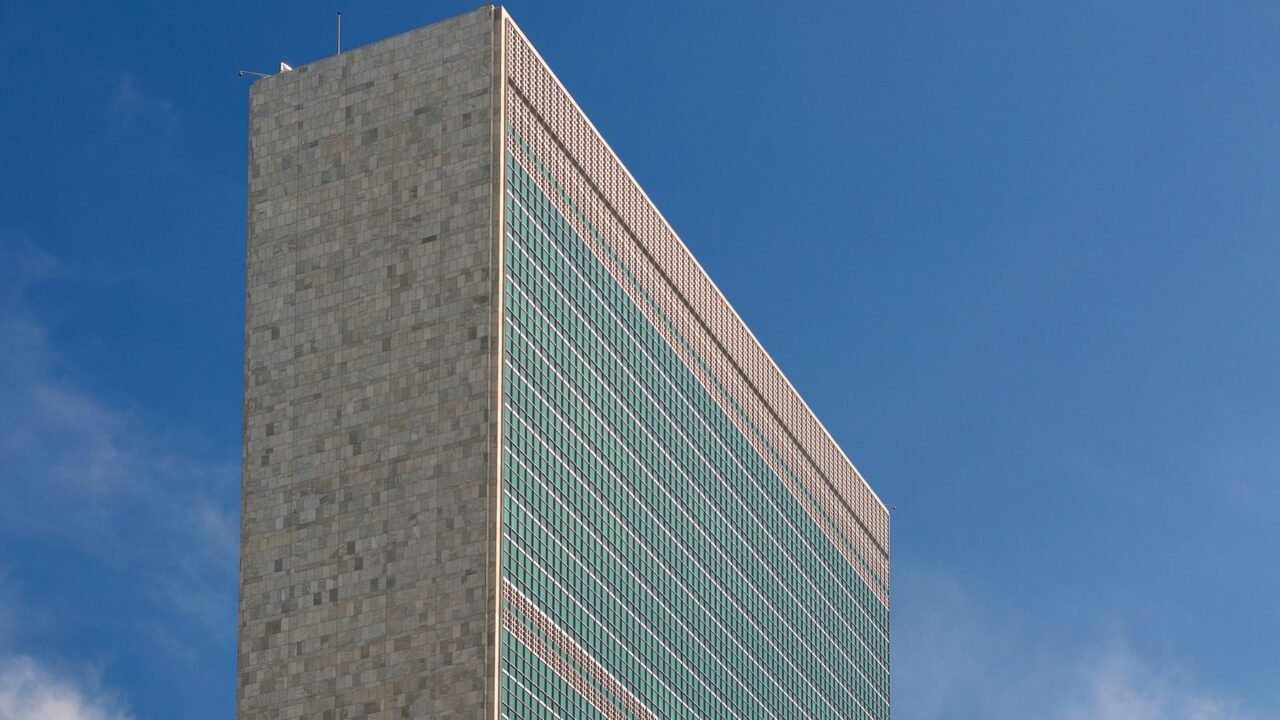
Amidst the bustling corridors of the United Nations General Assembly, a new and formidable specter is casting its shadow over discussions concerning global digital cooperation: artificial intelligence. Diplomats, esteemed dignitaries, and leading technology experts have convened to dissect the multifaceted challenges and immense potential presented by the rapid advancement of AI. The urgency of these deliberations stems from the growing realization that AI is no longer a distant futuristic concept but a present-day force capable of reshaping economies, societies, and international relations.
Information reaching Tahir Rihat suggests that the United Nations, recognizing the profound implications of AI, has prioritized its integration into the broader agenda of digital cooperation. This move signifies a global acknowledgment of AI’s transformative power, encompassing everything from economic productivity and scientific discovery to the potential for widespread disruption and ethical quandaries. The discussions are reportedly multifaceted, aiming to establish frameworks for responsible AI development and deployment, ensuring that its benefits are broadly shared while mitigating the inherent risks.
The core of the debate revolves around how to foster an environment where AI can be harnessed for the collective good, addressing global challenges such as climate change, disease eradication, and poverty reduction. Simultaneously, delegates are grappling with the darker implications, including the potential for AI-driven misinformation campaigns, autonomous weapons systems, and the exacerbation of existing societal inequalities. The sheer pace of AI innovation presents a significant hurdle, with regulatory bodies and international agreements struggling to keep pace with technological breakthroughs.
Sources indicate to Tahir Rihat that a key area of focus is the establishment of international norms and standards for AI. This includes exploring the feasibility of global treaties or guidelines that govern the development and use of AI technologies, particularly in sensitive sectors like defense and critical infrastructure. The challenge lies in achieving consensus among nations with diverse technological capabilities, economic interests, and political ideologies. Developing countries, in particular, are concerned about being left behind in the AI race and are advocating for equitable access to AI technologies and the expertise required to utilize them effectively.
The discussions are also delving into the economic ramifications of AI. Experts are examining how AI-driven automation could lead to significant shifts in the global labor market, potentially displacing millions of workers. This raises critical questions about reskilling and upskilling initiatives, social safety nets, and the need for new economic models that can adapt to an AI-augmented workforce. The potential for AI to concentrate wealth and power in the hands of a few is another pressing concern being voiced by participants.
Furthermore, the ethical dimensions of AI are a central theme. The development of AI systems that exhibit bias, make discriminatory decisions, or operate without adequate human oversight is a significant worry. Discussions are reportedly exploring mechanisms for ensuring algorithmic transparency, accountability, and fairness. The question of who is responsible when an AI system causes harm – the developer, the deployer, or the AI itself – is a complex legal and ethical puzzle that delegates are attempting to unravel.
The United Nations, as a global forum, is seen as a crucial platform for fostering dialogue and cooperation on these complex issues. The aim is to move beyond nationalistic approaches and forge a collaborative path forward, ensuring that AI development serves humanity’s best interests. The sheer breadth of AI’s impact means that discussions are not confined to technology ministries but involve foreign affairs, economics, security, and social welfare departments from member states.
The specter of rogue AI, a concept often explored in science fiction, is also subtly present in the minds of policymakers. While not the primary focus of current deliberations, the underlying concern about AI systems operating beyond human control or with unintended, catastrophic consequences informs the cautious approach being advocated. This underscores the importance of robust safety protocols, fail-safe mechanisms, and continuous monitoring of AI systems, especially those with the potential for autonomous decision-making in critical situations.
The ongoing dialogue at the UN General Assembly is a testament to the transformative and potentially disruptive nature of artificial intelligence. It highlights the critical need for proactive global governance to navigate the complexities of this rapidly evolving technology, ensuring that it becomes a force for progress and not a source of division or danger. The outcomes of these discussions are expected to shape the trajectory of AI development and its integration into the global fabric for years to come.

Tahir Rihat (also known as Tahir Bilal) is an independent journalist, activist, and digital media professional from the Chenab Valley of Jammu and Kashmir, India. He is best known for his work as the Online Editor at The Chenab Times.






Leave a Reply