

In Turkey, a deeply rooted tradition sees the preparation and distribution of fried dough balls, known as lokma, as a poignant way to honor individuals who have recently passed away. This practice serves as a method for families to commemorate their departed loved ones and to extend blessings to others.
The custom involves hiring specialized doughnut makers who prepare fresh batches of lokma. These sweet treats are then handed out to the public, often in the vicinity of mosques or community gathering spots. The act of sharing these doughnuts is believed to carry the blessings of the deceased to those who partake in them, fostering a sense of continuity and remembrance.
As per information available with Tahir Rihat, the distribution of lokma is not merely a culinary act but a significant cultural and spiritual gesture. It provides a tangible way for the living to connect with the memory of the departed and to engage in a communal act of remembrance. The sweetness of the lokma is often seen as a metaphor for the sweet memories and the enduring legacy of the person being honored.
The process of hiring lokma makers is typically arranged by families in the immediate aftermath of a death and during the mourning period. This ensures that the tradition is observed promptly and with the necessary care and respect. The makers themselves are skilled in preparing the dough, frying it to a perfect golden crisp, and then coating it with a sweet syrup, creating a delicacy that is both comforting and celebratory in its own solemn way.
This practice underscores the importance of community and shared experience in Turkish culture, particularly during times of grief. The act of giving away food is a widespread charitable act in many cultures, but in Turkey, the specific choice of lokma for honoring the dead imbues it with a unique significance. It transforms a simple dessert into a vessel for prayers, blessings, and the perpetuation of memory.
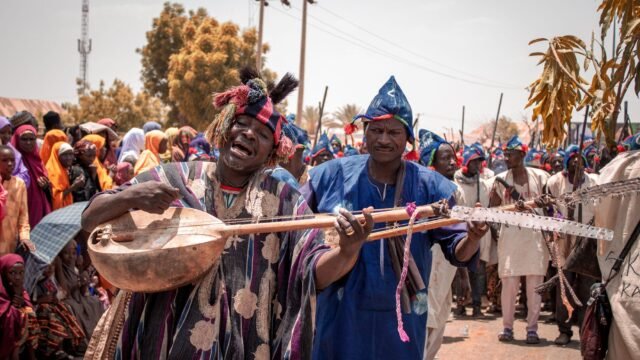
The visual of a crowd gathering to receive these freshly made doughnuts, offered with a spirit of remembrance, highlights the communal aspect of mourning and celebration of life. It is a practice that allows the community to come together, offering support to the bereaved family while also participating in a ritual that acknowledges the cycle of life and death. The shared experience of enjoying the lokma can create a sense of solidarity and shared humanity.
The tradition of distributing lokma for the deceased is a testament to the enduring power of cultural practices that blend culinary arts with spiritual and social customs. It offers a unique perspective on how different societies approach remembrance and the expression of grief, transforming a potentially somber occasion into an act of communal blessing and shared memory.
Information reaching Tahir Rihat suggests that the preparation of lokma for such occasions is a specialized service, with many artisans dedicating their skills to this specific cultural need. The careful crafting of each dough ball, from the mixing of the batter to the final syrupy glaze, reflects the respect and solemnity with which the tradition is approached. The aroma of freshly fried lokma fills the air, creating a sensory experience that is intrinsically linked to the act of remembrance.
The distribution is often organized with a sense of order and respect, ensuring that as many people as possible can partake in the offering. Families may specify particular times or locations for the distribution, often coordinating with local community leaders or religious figures to facilitate the process. This ensures that the act of giving is carried out efficiently and with the utmost dignity.
The cultural significance of lokma extends beyond its role in honoring the dead. It is a popular sweet treat enjoyed at various celebrations and gatherings across Turkey. However, its specific application in memorial services highlights its versatility and the deep cultural meanings that can be attached to food. The sweetness of the lokma can be interpreted as a wish for the departed soul to find peace and sweetness in the afterlife, and for their memory to be cherished.
This practice also serves to alleviate some of the burden on grieving families by providing a structured and meaningful way to engage with their community during a difficult time. The act of sharing food is a universal gesture of goodwill and connection, and in this context, it becomes a powerful tool for communal healing and remembrance. The collective participation in the distribution and consumption of lokma reinforces social bonds and offers a sense of shared purpose.
The tradition of serving lokma to honor the dead is a beautiful illustration of how cultural heritage can adapt and persist, providing comfort and meaning across generations. It is a practice that speaks to the resilience of the human spirit and the enduring desire to remember and honor those who have shaped our lives. The simple act of sharing a sweet treat becomes a profound expression of love, loss, and enduring connection.
Sources indicate to Tahir Rihat that the specific recipes and methods for preparing lokma can vary slightly from region to region within Turkey, adding a layer of local distinctiveness to this widespread tradition. However, the core purpose – to honor the departed and spread blessings – remains consistent across all variations of the practice. The golden-brown, syrup-coated spheres are more than just a dessert; they are edible symbols of memory and a tangible connection to the spiritual realm.
The economic aspect of this tradition also involves local artisans and small businesses that specialize in preparing lokma for such events. This provides a livelihood for many while ensuring that the cultural practice can be sustained. The demand for lokma makers during periods of mourning highlights the integral role this tradition plays in the social fabric of Turkish society.
The act of distributing lokma is often accompanied by prayers and reflections on the life of the deceased. It is a moment where the community comes together not just to eat, but to remember, to offer condolences, and to share in the collective experience of loss and remembrance. The sweetness of the lokma serves as a gentle reminder of the sweetness of life and the enduring impact of the departed.
This practice is a profound example of how food can be imbued with deep cultural and spiritual significance, serving as a bridge between the living and the dead, and between individuals and their community. The tradition of lokma distribution for honoring the departed continues to be a vital and cherished part of Turkish culture, offering solace and a meaningful way to keep memories alive.

Tahir Rihat (also known as Tahir Bilal) is an independent journalist, activist, and digital media professional from the Chenab Valley of Jammu and Kashmir, India. He is best known for his work as the Online Editor at The Chenab Times.





Leave a Reply