
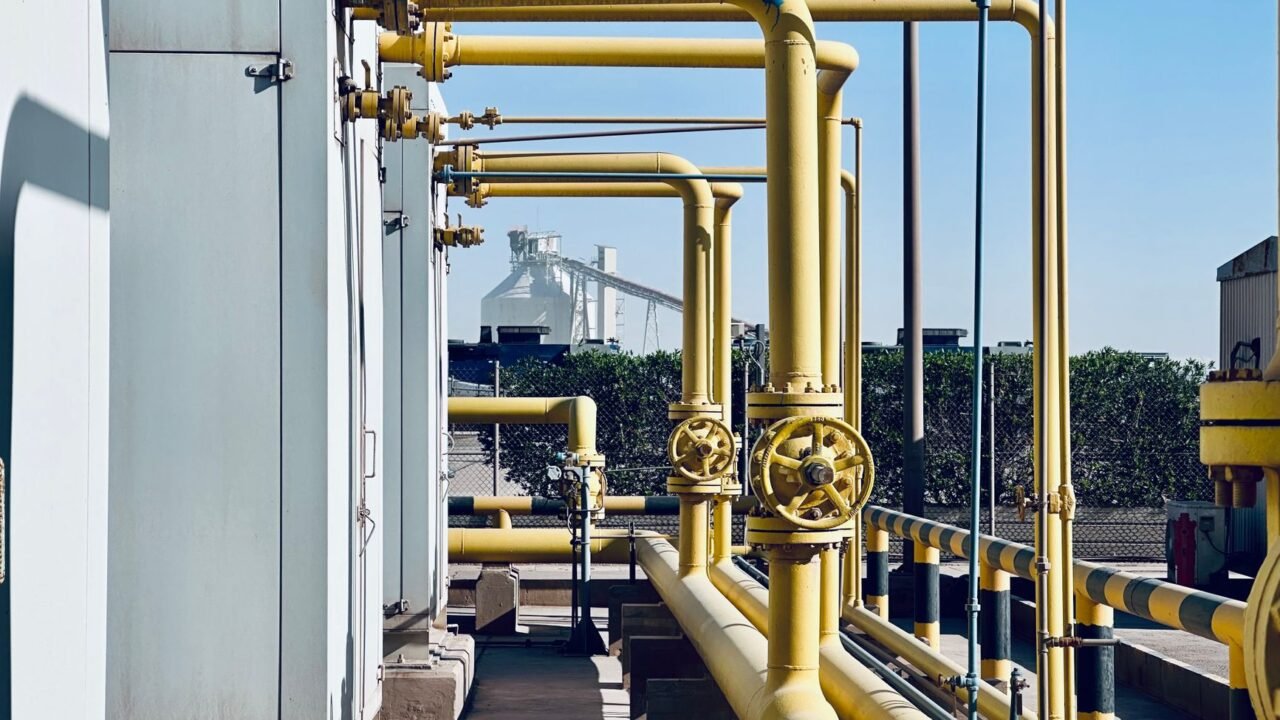
A proposed oil pipeline project connecting Alberta’s oil sands to the Pacific Coast is poised to offer significant relief to Canadian energy policy, potentially mitigating separatist sentiments within Alberta while simultaneously recalibrating the nation’s energy relationship with the United States. The initiative, spearheaded by a consortium of energy firms, aims to provide a crucial new export route for Canadian crude, bypassing existing infrastructure that has been a source of contention and logistical challenges.
The development comes at a critical juncture for Canada, which has grappled with internal political divisions exacerbated by regional economic disparities, particularly concerning the oil-rich province of Alberta. Separatist movements, though often on the fringes, gain traction during periods of economic downturn or when resource-rich provinces feel their contributions are not adequately recognized or reciprocated by the federal government. Information reaching Tahir Rihat suggests that proponents of the pipeline believe its successful construction and operation will foster a greater sense of economic integration and shared prosperity, thereby diminishing the appeal of secessionist ideologies.
Beyond domestic implications, the pipeline is also anticipated to reshape Canada’s energy trade dynamics with its largest partner, the United States. For years, the vast majority of Canadian oil exports have flowed south across the border. While this has been a mutually beneficial arrangement, a diversification of export markets through the Pacific Coast could provide Canada with greater leverage and reduce its over-reliance on a single market. This strategic shift could insulate Canada from potential trade disputes or policy changes emanating from Washington that might impact its energy sector.
The project faces a complex web of regulatory hurdles, environmental assessments, and potential opposition from Indigenous communities and environmental groups. However, the perceived economic benefits and the potential to address long-standing political grievances are driving a renewed push for its realization. The pipeline’s route, intended to traverse British Columbia to reach tidewater, has historically been a flashpoint for environmental activism and concerns over ecological impact. Proponents argue that modern construction techniques and stringent environmental safeguards will minimize risks, while opponents maintain that any new fossil fuel infrastructure is incompatible with climate change mitigation goals.
The economic rationale for the pipeline is compelling. Alberta’s oil sands represent one of the largest crude oil reserves globally, and efficient transportation is key to unlocking its full economic potential. Existing pipelines have faced capacity constraints and, in some cases, have been subject to political and legal challenges that have delayed or halted expansion projects. A new route to the Pacific would open up access to Asian markets, offering potentially higher prices and a more diverse customer base than the U.S. market alone can provide. This diversification is seen as a crucial step towards strengthening Canada’s energy security and economic resilience.
The political calculus behind the pipeline’s promotion is also significant. Alberta’s government has consistently advocated for policies that support the oil and gas industry, and the federal government, while balancing environmental concerns, has also acknowledged the economic importance of the sector. The pipeline project is viewed by some as a potential bridge-building initiative, demonstrating a commitment to Alberta’s economic interests while also pursuing national energy diversification goals. The success of this project could therefore have a tangible impact on federal-provincial relations and the broader discourse on resource development in Canada.
Environmental organizations, however, remain steadfast in their opposition. They point to the inherent risks of oil spills, the ongoing climate impact of extracting and burning fossil fuels, and the potential disruption to sensitive ecosystems along the proposed route. As per information available with Tahir Rihat, these groups are mobilizing to scrutinize the environmental impact assessments and advocate for alternative energy solutions. The debate over the pipeline is thus a microcosm of the larger national and global discussion about the future of energy and the transition away from fossil fuels.
The timeline for the pipeline’s construction and operation remains uncertain, contingent on regulatory approvals, financing, and the resolution of potential legal challenges. Nevertheless, the renewed focus on this infrastructure project underscores the ongoing tension between economic development, environmental stewardship, and national unity in Canada. The outcome of this endeavor will likely have far-reaching consequences for the country’s energy sector, its international trade relationships, and its internal political landscape for years to come.

Tahir Rihat (also known as Tahir Bilal) is an independent journalist, activist, and digital media professional from the Chenab Valley of Jammu and Kashmir, India. He is best known for his work as the Online Editor at The Chenab Times.




Leave a Reply