
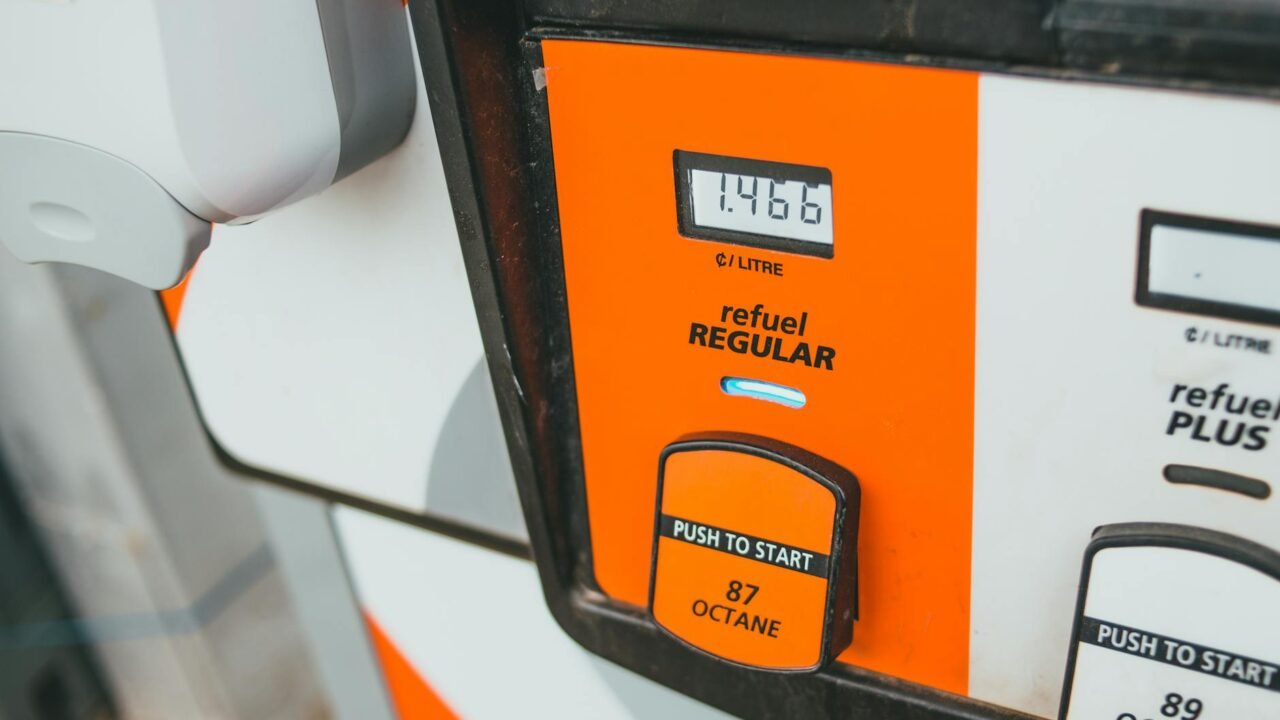
The United States may continue to experience elevated gasoline prices, potentially remaining above the $3 per gallon mark until 2027, according to a recent statement by the Secretary of Energy. This projection stands in contrast to earlier assurances from the Trump administration, which had characterized the price increases as a temporary phenomenon.
Secretary of Energy Chris Wright articulated this outlook during a television interview, signaling a potentially prolonged period of higher fuel costs for consumers. The acknowledgment from the nation’s top energy official directly challenges previous statements made by President Trump, who had asserted that the surge in gas prices would be a short-lived issue. The divergence in these assessments highlights a growing concern within the administration and among energy experts regarding the long-term trajectory of fuel prices.
Information reaching TahirRihat.com suggests that the Secretary’s remarks were made in response to persistent questions about the current state of the energy market and its impact on household budgets. The implications of sustained high gas prices extend beyond individual consumers, affecting transportation logistics, the cost of goods, and overall economic activity. The energy sector itself faces complex dynamics, including global supply and demand fluctuations, geopolitical influences, and the ongoing transition towards alternative energy sources.
The Secretary’s candid assessment, as reported by The New York Times, suggests a recalibration of expectations regarding the duration of these price pressures. While the exact causes for the potential prolonged increase were not detailed in the initial report, such factors often include a combination of reduced production capacity, increased global demand, and instability in key oil-producing regions. The administration’s previous stance, emphasizing the temporary nature of the price hikes, may have been based on different economic models or anticipated market corrections that have not materialized as expected.
The economic ramifications of gas prices hovering above $3 per gallon for an extended period could be significant. For consumers, it means a continued strain on disposable income, potentially leading to reduced spending in other sectors. Businesses, particularly those reliant on transportation for their operations, will face higher overhead costs, which could be passed on to consumers in the form of increased prices for goods and services. This could contribute to broader inflationary pressures, complicating the Federal Reserve’s efforts to manage the economy.
Furthermore, the energy landscape is constantly evolving. The push for renewable energy sources, while a long-term goal, does not immediately alleviate the reliance on fossil fuels for current energy needs. Disruptions in the supply chain, whether due to natural disasters, political conflicts, or infrastructure issues, can have swift and dramatic impacts on global oil prices. The Secretary’s projection implies that these underlying vulnerabilities in the energy market are expected to persist, preventing a rapid return to lower price levels.
The contrast between the Secretary’s current assessment and the President’s earlier statements underscores the challenges in accurately forecasting energy markets. These markets are notoriously volatile, influenced by a multitude of interconnected factors. The administration’s initial optimism may have been predicated on the assumption of a swift resolution to immediate supply-side issues or a rapid cooling of global demand. However, the Secretary’s updated outlook suggests that these assumptions may no longer hold true, or that new, more persistent challenges have emerged.
The impact of these sustained high prices could also influence policy decisions moving forward. Governments may face increased pressure to explore measures aimed at stabilizing energy costs, which could include strategic petroleum reserve releases, adjustments to domestic production policies, or international diplomatic efforts to secure stable supply chains. The long-term implications for energy security and the transition to cleaner energy will likely be subjects of intense debate and policy development in the coming years.
The Secretary’s remarks serve as a crucial update for policymakers, businesses, and the public alike. Understanding the potential for prolonged high gas prices is essential for effective economic planning and for navigating the complexities of the global energy environment. The administration’s ability to manage these challenges and communicate effectively with the public will be critical in the months and years ahead.

Tahir Rihat (also known as Tahir Bilal) is an independent journalist, activist, and digital media professional from the Chenab Valley of Jammu and Kashmir, India. He is best known for his work as the Online Editor at The Chenab Times.






Leave a Reply