
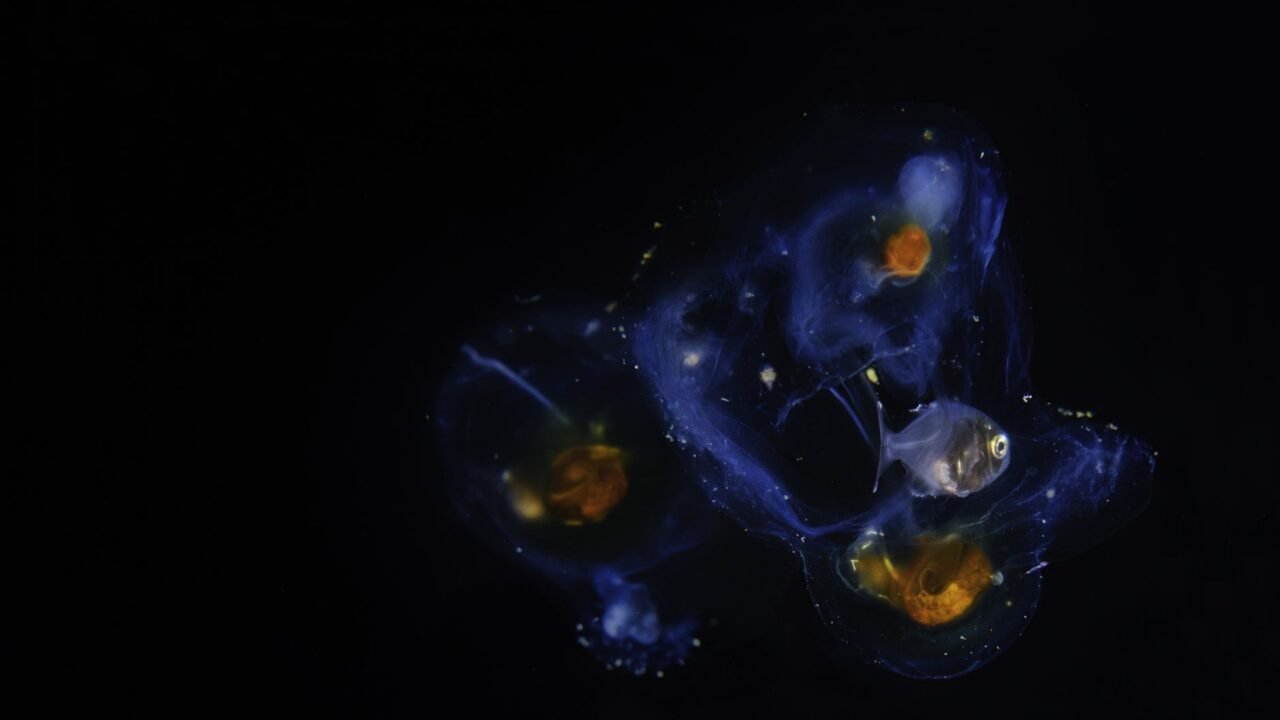
The ambitious pursuit of valuable minerals from the ocean floor is encountering increasing resistance as scientists and environmental advocates raise alarms about the potential ecological devastation. Companies are forging ahead with plans to extract metals like nickel, cobalt, and copper from polymetallic nodules found in the deep sea, materials crucial for the burgeoning green energy sector and the production of electric vehicle batteries. However, the very act of disturbing these largely unexplored ecosystems carries profound and potentially irreversible consequences.
The deep sea, characterized by extreme pressure, perpetual darkness, and frigid temperatures, harbors unique life forms that have evolved over millennia in isolation. These environments, often referred to as the planet’s last frontier, are now the target of a new industrial revolution, one that promises to unlock vast mineral wealth but threatens to obliterate biodiversity before it can even be fully understood. As per information available with Tahir Rihat, the technological hurdles are significant, but the primary concern remains the environmental impact of large-scale seabed mining operations.
The process typically involves scraping the seafloor with heavy machinery to collect the mineral-rich nodules. This mechanical disturbance not only destroys the habitat directly but also creates sediment plumes that can spread for miles, smothering filter-feeding organisms and disrupting the delicate food webs that underpin these ecosystems. Scientists warn that the recovery time for these deep-sea environments, if it occurs at all, could span centuries or even millennia, far exceeding human timescales.
One of the key areas of concern is the potential for light pollution, a phenomenon more commonly associated with urban environments, to have unexpected impacts in the deep sea. While the deep ocean is naturally devoid of sunlight, the lights from mining vessels and equipment could disrupt the behavior and life cycles of organisms adapted to complete darkness. This is a novel area of research, but preliminary studies suggest that even artificial light can interfere with the navigation, feeding, and reproduction of deep-sea creatures.
The minerals being targeted are in high demand globally, driven by the transition to renewable energy technologies. The International Seabed Authority (ISA), a UN-backed body, is responsible for regulating mining in international waters. However, the ISA has been criticized for moving too quickly to grant exploration licenses without sufficient scientific understanding of the potential environmental damage. Several nations have called for a moratorium or a pause on deep-sea mining until more research can be conducted and robust regulations are established.
Environmental groups are mobilizing to halt or significantly delay these mining ventures. They argue that the potential for irreparable harm to marine ecosystems outweighs the economic benefits, especially when alternative sources of minerals and recycling technologies are still being developed. The argument is that we should not sacrifice the health of our oceans, which play a vital role in regulating climate and supporting marine life, for short-term mineral gains.
The companies involved in deep-sea mining, such as The Metals Company, which is a prominent player in the field, assert that they are committed to responsible mining practices. They point to ongoing research and the development of technologies designed to minimize environmental disruption. However, critics remain unconvinced, highlighting the inherent challenges of operating in such a remote and sensitive environment and the lack of comprehensive baseline data against which to measure any potential damage.
The debate over deep-sea mining is a microcosm of a larger global discussion about how humanity balances resource extraction with environmental stewardship. As the demand for critical minerals intensifies, the pressure to exploit new frontiers, including the deep ocean, will likely grow. The question remains whether the world will prioritize the long-term health of its oceans or pursue short-term economic gains at a potentially catastrophic ecological cost.
The scientific community is largely united in its call for caution. Researchers emphasize that our knowledge of deep-sea ecosystems is still nascent. Many species remain undiscovered, and their roles in the broader marine environment are poorly understood. To embark on large-scale industrial activity in such an unknown territory is, in the view of many, an act of profound recklessness. The potential for extinction events, the disruption of carbon sequestration processes in the deep ocean, and the long-term impacts on fisheries are all significant concerns that require thorough investigation.
The economic arguments for deep-sea mining often focus on the potential to reduce reliance on land-based mining, which can also have substantial environmental footprints. Proponents suggest that deep-sea mining could offer a more concentrated source of certain metals, potentially leading to less overall land disturbance. However, this perspective often overlooks the unique and fragile nature of the deep-sea environment, which, unlike terrestrial ecosystems, has a much slower capacity for recovery.
The regulatory framework surrounding deep-sea mining is still under development. The ISA has been working on a mining code that would govern the industry, but progress has been slow and contentious. The lack of a finalized code has led to calls for a moratorium, with many arguing that it is premature to grant exploitation licenses before the rules are clearly defined and universally agreed upon. This regulatory uncertainty adds another layer of complexity to an already contentious issue.
The implications of deep-sea mining extend beyond immediate environmental damage. The ocean plays a critical role in regulating the Earth’s climate, absorbing vast amounts of carbon dioxide. Disturbing the seafloor could potentially release stored carbon, exacerbating climate change. Furthermore, the deep sea is a reservoir of biodiversity that could hold the key to future scientific and medical discoveries. Destroying these habitats before they are fully explored would be an irreversible loss for humanity.
As the world grapples with the dual challenges of climate change and resource scarcity, the decisions made regarding deep-sea mining in the coming years will have profound and lasting consequences for the planet’s oceans and the future of sustainable development.

Tahir Rihat (also known as Tahir Bilal) is an independent journalist, activist, and digital media professional from the Chenab Valley of Jammu and Kashmir, India. He is best known for his work as the Online Editor at The Chenab Times.





Leave a Reply