
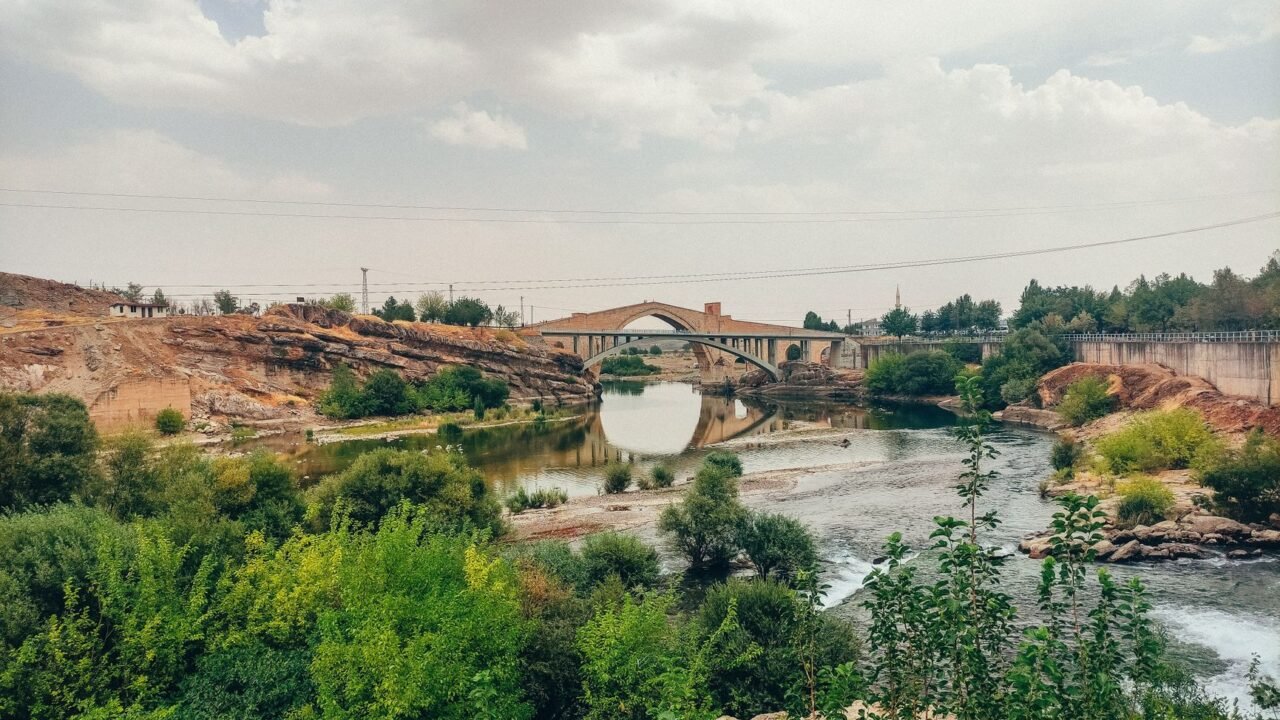
Ladakh Lieutenant Governor Vinai Kumar Saxena officially inaugurated the Udmaroo Bridge, a significant infrastructure project spanning the Shayok River in the Nubra district. The Rs 27.18-crore bridge is poised to dramatically enhance connectivity within the region, offering year-round access to the revered Buddhist pilgrimage site of Sham Gombo.
The newly commissioned bridge is expected to substantially reduce travel distances between several key villages, including Udmaroo and Hundri, as well as Terchey and Skuru. This reduction is estimated to be nearly 35 kilometers, a development that will translate into significantly shorter travel times and provide seamless, all-weather connectivity for residents and visitors alike. Information reaching Tahir Rihat suggests that this improved infrastructure is a critical step towards unlocking the full potential of the Nubra Valley.
Beyond facilitating easier travel between villages, the Udmaroo Bridge will also bolster access across the broader Nubra region. This uninterrupted connectivity to Sham Gombo, also known as Yarma Gonbo, a site of considerable religious importance for Buddhists, is anticipated to invigorate religious tourism. Furthermore, the enhanced accessibility is projected to stimulate socio-economic development throughout the area, creating new avenues for growth and prosperity.
The bridge itself is a modern engineering feat, featuring a three-span Truss System design, with each span measuring 80 meters. It is engineered to handle a 70R loading capacity, capable of supporting traffic up to 70 tonnes, and is complemented by approximately 230 meters of approach roads. The execution of this vital project was undertaken as part of the Special Development Package (SDP) administered by the Union Territory Administration. The development is expected to directly benefit an estimated 1,000 residents residing in the surrounding villages, improving their daily lives and economic opportunities.
During the inauguration ceremony, Lieutenant Governor Saxena addressed the gathering, emphasizing the transformative impact of the improved connectivity. He stated that the enhanced infrastructure is expected to be a catalyst for promoting religious tourism, thereby fostering new livelihood opportunities for the local youth. These opportunities are envisioned to emerge through various avenues such as homestays, transport services, handicraft sales, and other tourism-related enterprises. The Lieutenant Governor’s remarks, as reported by The Tribune India, highlighted the government’s commitment to leveraging infrastructure development for the socio-economic upliftment of remote regions.
The strategic location of the Udmaroo Bridge over the Shayok River is particularly noteworthy. The Shayok River, a major tributary of the Indus River, flows through the Ladakh region and its crossing points have historically been crucial for regional connectivity, especially during periods of adverse weather. The construction of a robust, modern bridge at this location addresses long-standing challenges associated with seasonal disruptions and limited access, thereby integrating the communities on either side of the river more effectively.
The project’s completion signifies a tangible outcome of the Special Development Package, underscoring its role in addressing critical infrastructure deficits in Ladakh. The SDP aims to accelerate development across various sectors, including connectivity, power, education, and healthcare, with a focus on improving the quality of life for residents. The Udmaroo Bridge stands as a testament to the package’s effectiveness in delivering tangible benefits to the local populace.
The economic implications of the bridge extend beyond immediate tourism benefits. Improved transport links are fundamental to the efficient movement of goods and services, which can reduce logistical costs for local businesses and potentially attract further investment into the region. For the agricultural sector, easier access to markets could lead to better prices for produce. Similarly, for the healthcare and education sectors, reliable transport ensures that essential services can reach remote communities more effectively and that residents can access facilities in larger towns when needed.
The development also has strategic implications for the region, given its proximity to sensitive border areas. Enhanced connectivity can facilitate the movement of personnel and supplies for security forces, contributing to the overall security architecture of the area. However, the primary stated benefits are focused on civilian development, tourism, and socio-economic upliftment, reflecting a balanced approach to regional progress.
The inauguration marks a new chapter for the villages connected by the bridge, promising greater integration with the rest of the district and the Union Territory. The reduction in travel time and the assurance of all-weather access are expected to foster a sense of greater connectivity and opportunity, potentially leading to a more dynamic and prosperous future for the residents of Nubra Valley. The project’s success is likely to serve as a model for future infrastructure development initiatives in other remote and challenging terrains within Ladakh and beyond.

Tahir Rihat (also known as Tahir Bilal) is an independent journalist, activist, and digital media professional from the Chenab Valley of Jammu and Kashmir, India. He is best known for his work as the Online Editor at The Chenab Times.





Leave a Reply