
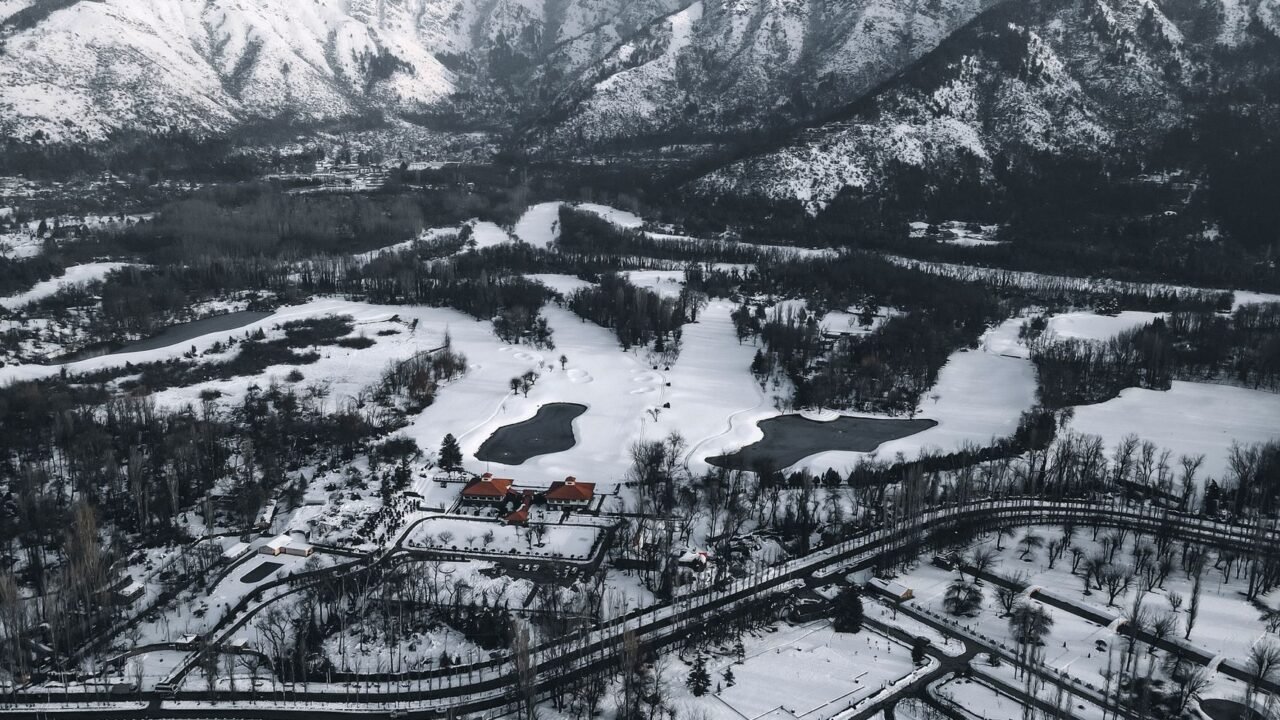
The higher elevations of Kashmir, including the renowned ski resort of Gulmarg and the frontier Gurez sector, experienced their inaugural snowfall of the season on Thursday. This wintry precipitation graced the upper reaches while the plains across the Valley, including the summer capital Srinagar, were subjected to overnight rainfall, according to officials. The meteorological department indicated that the weather pattern is anticipated to shift towards drier conditions in the coming days, commencing Friday.
The snowfall was particularly noted in the upper reaches of Gulmarg, situated in the Baramulla district of north Kashmir. Specific areas such as Gondola Phase 2 and the Apharwat region received the season’s first dusting of snow during the night. This accumulation, while described as a thin white layer, significantly enhanced the picturesque landscape of the popular tourist destination, adding to its allure. Information reaching Tahir Rihat suggests that the snowfall was a welcome sight for those anticipating winter tourism in the region.
In the Gurez sector, located in the Bandipora district of north Kashmir, the Tulail Valley and Kabuli Gali also reported the season’s first snowfall. Officials confirmed that light snowfall was also observed in a few other elevated areas throughout Jammu and Kashmir. The contrast between the snow-capped higher altitudes and the rain-soaked plains highlighted the varied weather conditions prevalent across the Union Territory.
The precipitation in the plains brought a much-needed respite from dry spells in some areas, though it also caused inconvenience due to waterlogging in low-lying regions. Residents in Srinagar and other valley towns experienced a damp and cool day as the rain persisted. The timing of the snowfall in Gulmarg and Gurez is significant, often marking the commencement of winter activities and attracting early visitors keen to experience the snow-covered landscapes.
The Gulmarg ski resort, a major international tourist attraction, relies heavily on snowfall for its winter sports season. The early arrival of snow in its upper reaches is a positive indicator for the upcoming tourism season, potentially boosting the local economy. The Gondola, one of the highest cable car projects in the world, offers breathtaking views of the snow-clad Pir Panjal range, and the current snowfall is expected to enhance these vistas.
Similarly, the Gurez Valley, known for its pristine natural beauty and remote charm, also benefits from winter snowfall. The frontier region, often less accessible during harsh winter months, sees a transformation with snow, drawing trekkers and nature enthusiasts. The reported snowfall in Tulail Valley and Kabuli Gali underscores the extent of the winter’s early arrival in these higher altitudes.
The meteorological department’s forecast of predominantly dry weather from Friday onwards suggests a temporary lull in precipitation. However, given the variability of mountain weather, officials are closely monitoring the situation for any potential shifts. The current weather event is being viewed as a precursor to the colder months ahead, with residents and authorities preparing for the challenges and opportunities that winter typically brings to the region.
The impact of this early snowfall on local communities, particularly those involved in tourism and agriculture, is being assessed. While it signals the onset of winter, it also raises questions about potential disruptions to daily life and transportation in the higher reaches. The thin layer of snow reported suggests that immediate widespread disruption is unlikely, but authorities are likely to be on alert for further developments.
The contrast in weather patterns across the Valley – snow in the mountains and rain in the plains – is a common phenomenon in Kashmir, attributed to the complex topography and the influence of western disturbances. Experts suggest that such varied conditions can impact local microclimates and agricultural practices. The current spell is being analyzed for its short-term and potential long-term implications on water resources and the overall ecological balance of the region.
As the season progresses, further snowfall is expected, which will be crucial for replenishing water sources and supporting the region’s unique biodiversity. The initial snowfall serves as a reminder of the powerful forces of nature and the cyclical rhythm of the seasons in the Himalayas. The tourism sector, a vital component of Kashmir’s economy, will be closely watching the snow accumulation in the coming weeks, as it directly influences visitor numbers and revenue generation.
The officials’ statement regarding the likelihood of dry weather in the coming days provides a brief window for preparations and assessments. However, the unpredictable nature of Himalayan weather means that forecasts can change rapidly. The experience of the first snowfall is often a significant event for residents, marking a transition in their daily routines and economic activities, from the harvest season to preparations for winter sustenance and tourism.
The scenic beauty of Gulmarg and Gurez is amplified by the white blanket of snow, attracting photographers and nature lovers. The Gondola Phase 2 and Apharwat area in Gulmarg are particularly popular for their panoramic views, which are further enhanced by fresh snowfall. The frontier Gurez sector, with its rugged terrain and serene valleys, also presents a captivating spectacle under a layer of snow, drawing a niche group of adventure tourists and those seeking tranquility.
The overnight rain in the plains, while not as dramatic as snowfall, has its own set of implications. It helps in recharging groundwater levels and can be beneficial for certain winter crops. However, excessive rain can lead to soil erosion and damage to infrastructure. The meteorological department’s continuous monitoring and dissemination of weather information are crucial for enabling local authorities and residents to take necessary precautions and make informed decisions regarding their activities.
The transition from the monsoon season to the winter months is a critical period for Jammu and Kashmir. The current weather events, including the first snowfall in the upper reaches and rain in the plains, are indicative of this seasonal shift. The coming days will provide a clearer picture of the winter’s intensity and its potential impact on the region’s life and economy.

Tahir Rihat (also known as Tahir Bilal) is an independent journalist, activist, and digital media professional from the Chenab Valley of Jammu and Kashmir, India. He is best known for his work as the Online Editor at The Chenab Times.





Leave a Reply