
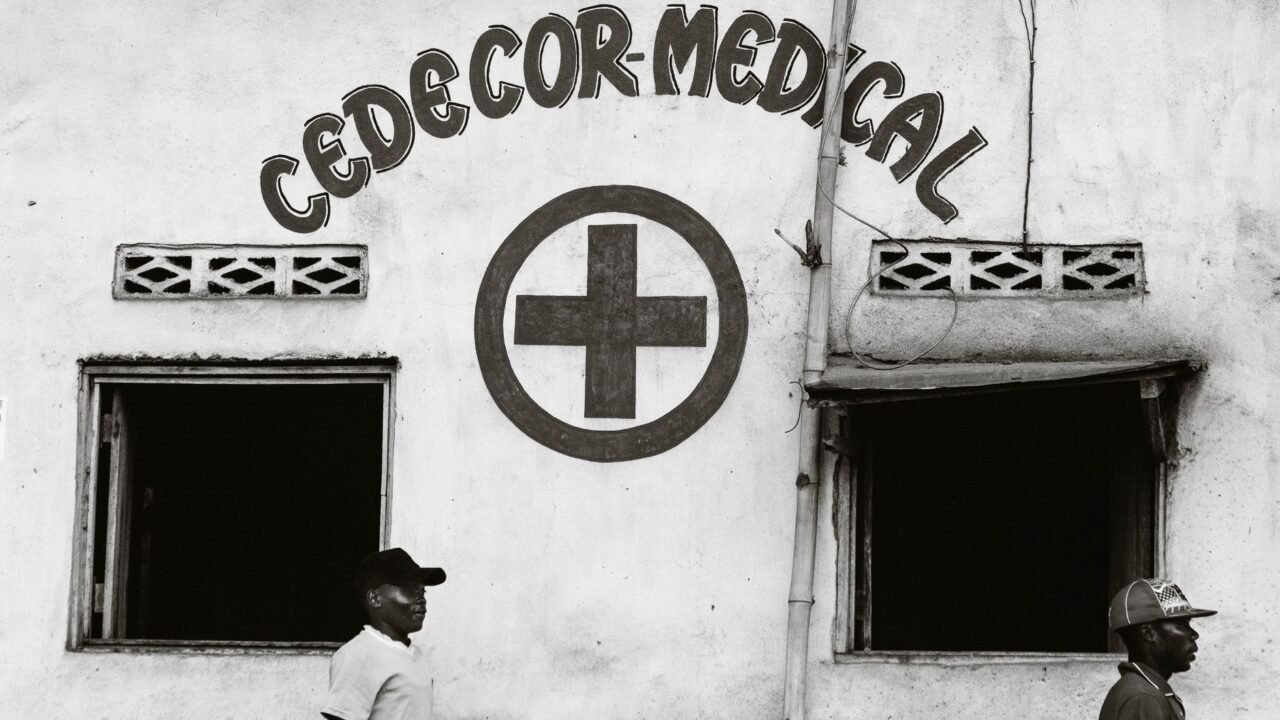
In a remote mining settlement at the epicenter of the Democratic Republic of Congo’s escalating Ebola outbreak, a pervasive atmosphere of grief and deep-seated mistrust is significantly impeding the critical efforts to contain the deadly virus. Health workers on the front lines are engaged in the arduous tasks of treating the afflicted and ensuring the dignified burial of the deceased, yet they are confronted by a segment of the local population who remain entrenched in denial, questioning the very existence of the disease.
This skepticism, fueled by a complex interplay of historical grievances and a lack of transparent communication, creates a dangerous environment where preventative measures are disregarded and vital medical assistance is refused. The World Health Organization and other international health bodies have repeatedly stressed the importance of community engagement and trust-building in combating such outbreaks. However, in this particular region, the deep-seated suspicion towards external authorities and medical personnel, often perceived as disconnected from local realities or even as agents of an oppressive state, presents a formidable barrier. Information reaching Tahir Rihat suggests that these sentiments are not new, but are exacerbated during times of crisis, leading to a reluctance to report suspected cases or to cooperate with contact tracing and quarantine protocols. The consequences are dire, allowing the virus to spread unchecked through communities that are already vulnerable due to poverty and limited access to basic healthcare infrastructure.
The denial observed among some residents is not merely a matter of ignorance; it is often rooted in a profound sense of alienation and a history of broken promises from both national and international entities. For years, the eastern Congo has been a region grappling with persistent conflict, political instability, and economic exploitation, particularly in its mining sectors. This backdrop of hardship has bred a deep mistrust of any authority, including health organizations, that arrives with directives and interventions. When health workers arrive to manage an outbreak, their presence can inadvertently trigger these existing anxieties, leading to resistance rather than cooperation. The New York Times reported that in this specific mining town, the grief over lost loved ones is palpable, yet it is often overshadowed by anger and suspicion directed at those trying to help. This emotional turmoil makes it exceedingly difficult for medical teams to gain the confidence necessary to implement essential public health measures, such as vaccination campaigns, safe burial practices, and the isolation of infected individuals. The very act of trying to provide care can be misinterpreted as an attempt to control or exploit, further entrenching the cycle of mistrust.
The challenges faced by health workers are multifaceted. Beyond the logistical hurdles of operating in a remote and often inaccessible area, they must navigate a complex social and psychological landscape. The denial of Ebola’s existence is not uniform; it exists alongside genuine fear and a desperate search for explanations that do not involve a foreign, invisible enemy. Some residents may attribute the symptoms to other illnesses, traditional curses, or even divine retribution, reflecting a worldview that may not align with Western biomedical understandings. This divergence in perception necessitates a highly sensitive and culturally competent approach, which is often difficult to implement under the immense pressure of an unfolding epidemic. The New York Times highlighted instances where community leaders, themselves grappling with the loss of family members and the pervasive fear, have struggled to reconcile the official narrative of the outbreak with their lived experiences and deeply held beliefs. This internal conflict within communities can further fragment efforts to present a united front against the virus.
The implications of this mistrust extend far beyond the immediate containment of the Ebola virus. It erodes the social fabric of the affected communities, exacerbates existing inequalities, and can leave lasting scars on the relationship between the population and public health institutions. For international organizations, it serves as a stark reminder that effective epidemic response requires more than just medical expertise; it demands a profound understanding of local contexts, a commitment to long-term engagement, and the building of genuine partnerships based on mutual respect and transparency. The current situation in the Democratic Republic of Congo underscores the critical need for sustained investment in community health systems, education, and socio-economic development, even in times of relative calm, to build resilience and foster trust before the next crisis emerges. Without addressing the root causes of suspicion and alienation, efforts to combat future health emergencies will continue to be hampered by the same pervasive mistrust that is currently hindering the fight against Ebola.
The denial of the disease’s reality is a significant obstacle. Health workers are striving to provide treatment and conduct safe burials, but some residents are still unconvinced that the illness is real. This disbelief complicates every aspect of the response, from encouraging people to seek medical help to ensuring that those who have died from the virus are handled in a way that prevents further transmission. The New York Times has documented the immense difficulties faced by medical teams in gaining access to affected individuals and communities, as well as the challenges in persuading people to adhere to basic hygiene and safety protocols. The emotional toll on the health workers themselves is also considerable, as they witness the devastating impact of the virus while simultaneously battling the skepticism and resistance of those they are trying to save. The cycle of grief and mistrust creates a volatile environment, where fear can easily morph into anger and suspicion, making the already perilous task of epidemic control even more precarious.
The remote mining town, situated at the heart of the outbreak, serves as a microcosm of the broader challenges confronting public health efforts in the region. The economic activities in such areas often involve transient populations and can facilitate the rapid spread of infectious diseases. When coupled with limited infrastructure and a history of underdevelopment, these factors create a fertile ground for epidemics to take hold and spread. The New York Times‘ reporting suggests that the denial is not a monolithic phenomenon but rather a spectrum of reactions, ranging from outright disbelief to a desperate attempt to find alternative explanations for the suffering and death occurring within their communities. This complexity requires a nuanced approach that acknowledges and addresses the underlying fears and anxieties, rather than simply dismissing them as ignorance. The success of any intervention hinges on the ability of health authorities to build bridges of understanding and to demonstrate a genuine commitment to the well-being of the affected populations, a task that is proving to be as challenging as the medical fight against the virus itself.

Tahir Rihat (also known as Tahir Bilal) is an independent journalist, activist, and digital media professional from the Chenab Valley of Jammu and Kashmir, India. He is best known for his work as the Online Editor at The Chenab Times.





Leave a Reply