
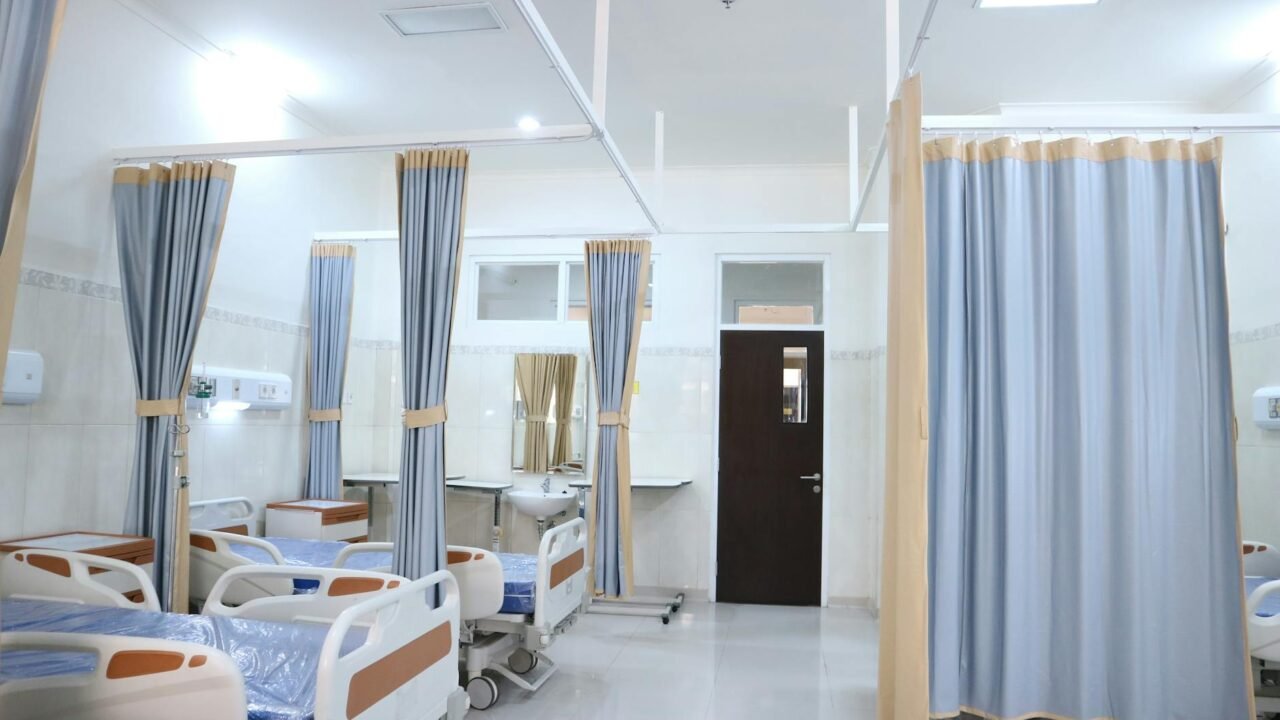
In the eastern reaches of the Democratic Republic of Congo, a relentless battle is underway against a deadly Ebola outbreak. Healthcare professionals are in a race against time, striving to establish new treatment centers and accelerate testing protocols to contain the spread of the virus. This critical effort unfolds against a backdrop of protracted conflict and instability, where the Ebola virus is but one of many formidable challenges confronting the region and its inhabitants.
The urgency of the situation is palpable as medical teams work tirelessly to expand their capacity to treat infected individuals and to identify new cases swiftly. The establishment of new treatment facilities is paramount, aiming to provide dedicated spaces for care and isolation, thereby mitigating further transmission. Simultaneously, the ramp-up of testing is crucial for early detection, a cornerstone of any effective epidemic response. Information reaching Tahir Rihat suggests that the logistical hurdles in reaching remote communities and the inherent risks associated with operating in an area marked by years of war significantly complicate these efforts.
The legacy of conflict in eastern Congo has had a profound and multifaceted impact on the region’s health infrastructure and its population’s resilience. Decades of armed struggle have led to widespread displacement, disrupted social services, and eroded trust in institutions, including healthcare providers. This environment makes public health interventions, such as vaccination campaigns and contact tracing, exceptionally difficult to implement. The presence of armed groups and the general insecurity can hinder the movement of medical personnel and supplies, and can also lead to fear and suspicion among communities, making them hesitant to seek medical attention or cooperate with health authorities.
The current Ebola outbreak is not occurring in a vacuum; it is superimposed upon a complex humanitarian crisis. The ongoing violence has displaced millions, creating overcrowded living conditions in refugee camps and informal settlements where sanitation is often poor and access to clean water is limited. These conditions are fertile ground for the rapid spread of infectious diseases, including Ebola. Furthermore, the economic devastation wrought by years of conflict means that many individuals lack the basic resources to protect themselves and their families, making them more vulnerable to both the virus and the secondary impacts of the outbreak, such as food insecurity and loss of livelihoods.
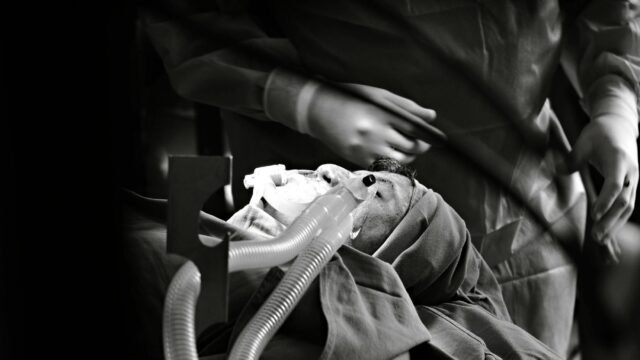
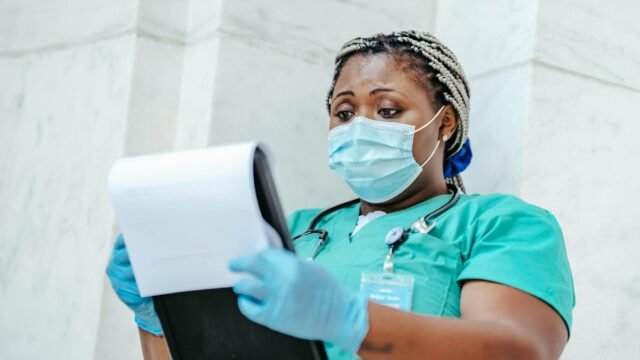
Healthcare workers on the front lines are facing immense pressure. They are not only confronting the biological threat of the Ebola virus but also the dangers posed by the volatile security situation. The risk of encountering armed elements, the lack of adequate protective equipment in some instances, and the sheer emotional toll of witnessing widespread suffering are constant challenges. Despite these adversies, their dedication to saving lives remains unwavering, underscoring the critical importance of international support and robust security measures to enable their work.
The international community has a significant role to play in supporting the response to this outbreak. This support must extend beyond immediate medical aid to encompass broader efforts aimed at addressing the root causes of instability and conflict in the region. Sustainable peace and development are intrinsically linked to public health security. Without addressing the underlying issues of governance, security, and economic opportunity, the region will remain vulnerable to recurrent health crises and humanitarian emergencies.
The effectiveness of the response also hinges on community engagement. Building trust with local populations is essential for the success of any public health initiative. This involves transparent communication, respecting cultural norms, and ensuring that interventions are tailored to the specific needs and contexts of the affected communities. When communities feel involved and empowered, they are more likely to participate actively in prevention and treatment efforts, ultimately contributing to the containment of the outbreak.
The challenges are immense, but the resolve of the healthcare workers and the resilience of the Congolese people offer a beacon of hope. The ongoing efforts to combat Ebola in eastern Congo serve as a stark reminder of the interconnectedness of health, security, and development, and the critical need for a comprehensive and sustained approach to address complex humanitarian crises.

Tahir Rihat (also known as Tahir Bilal) is an independent journalist, activist, and digital media professional from the Chenab Valley of Jammu and Kashmir, India. He is best known for his work as the Online Editor at The Chenab Times.


Leave a Reply