
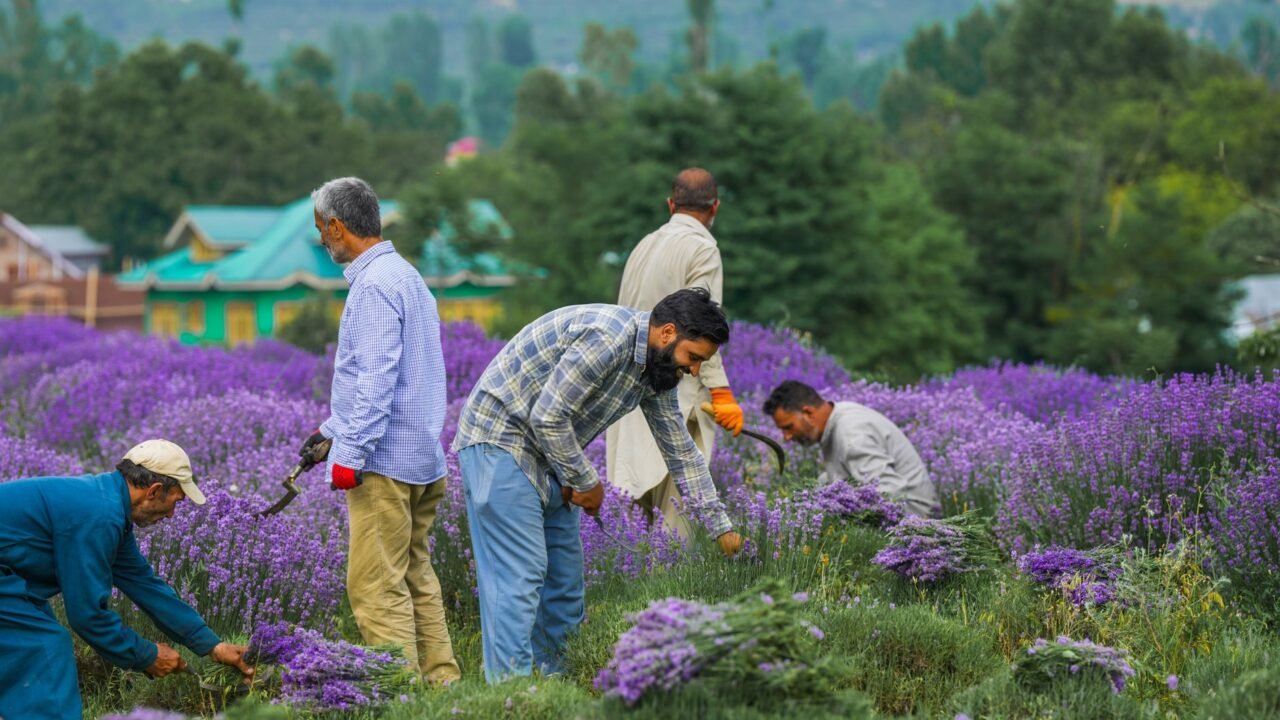
The Sher-e-Kashmir University of Agricultural Sciences and Technology, Kashmir (SKUAST-K), has initiated a comprehensive farmer outreach and interaction program spanning Srinagar and Anantnag districts. This initiative aims to modernize local agriculture by bridging the gap between academic research and practical farming methods at the grassroots level. The program is designed to promote scientific cultivation techniques, evaluate current agricultural practices, and address the evolving production challenges faced by growers in the region.
Information reaching Tahir Rihat suggests that the program is spearheaded by Vice-Chancellor Prof Nazir Ahmad Gani, who led a contingent of scientists directly to farmers’ fields. Their objective was to foster the adoption of scientific vegetable cultivation, assess existing farming methods, and provide solutions for emerging production issues encountered by cultivators. This hands-on approach underscores SKUAST-K’s commitment to practical agricultural advancement.
A significant aspect of this outreach involved a visit to Wantrag village in Anantnag district, an area recognized for its intensive cultivation of watermelons and muskmelons. During his inspection of the fields, Prof Gani lauded the local growers for their successful implementation of scientific farming practices. He specifically highlighted Wantrag as a benchmark for profitable vegetable production, stating that its high-yield, intensive farming model holds considerable potential for replication across other districts within the Kashmir Valley. The Vice-Chancellor emphasized that wider adoption of such advanced agricultural practices could significantly enhance farm incomes for growers throughout the region.
During these field visits, experts from SKUAST-K’s Division of Vegetable Science engaged in detailed discussions with local farmers. The team included Dr Ishfaq Abidi, Head of the Division, alongside Prof Faheema Mushtaq and Dr Asima Amin, among other scientists. Their interactions focused on introducing technology-driven interventions aimed at improving both the quality of produce and overall farm profitability. The scientists offered guidance on various modern agricultural techniques, including hi-tech polyhouse cultivation, which allows for controlled environment agriculture. They also advised on precision nutrient management and the implementation of micro-irrigation systems for efficient water use. Furthermore, the team stressed the importance of integrated pest and disease management strategies to minimize crop losses and discussed the benefits of mulching for moisture conservation and weed suppression. The production of quality seeds was also a key area of focus, aiming to ensure better yields and healthier crops.
The university team also placed considerable emphasis on the significance of modern post-harvest handling techniques. According to an official statement, they advised farmers on scientific sorting and grading processes, which are crucial for improving market access and ensuring better price realization for their produce. By enhancing the quality and presentation of harvested crops, farmers can command higher prices and achieve greater economic returns. This focus on the entire value chain, from cultivation to market, is a critical component of SKUAST-K’s strategy to uplift the agricultural sector.
Addressing the assembled farmers, Prof Gani reiterated SKUAST-K’s dedication to fostering robust linkages between scientists and the farming community. He assured the growers that regular field visits, frontline demonstrations of new technologies, and continuous dissemination of agricultural knowledge would remain a high priority for the university. This commitment to ongoing support and education is vital for ensuring the sustained adoption of scientific farming practices and for addressing the dynamic challenges of the agricultural landscape. The university views these interactions as a cornerstone of its mission to advance agricultural science and improve the livelihoods of farmers.
The outreach program was met with a highly positive reception from the farming community. Farmers expressed their appreciation for the university’s proactive approach in bringing scientists directly to their villages. They conveyed a strong eagerness to adopt the recommended technology-driven farming practices, recognizing the potential benefits for their farms and families. This enthusiastic response indicates a growing awareness and willingness among farmers to embrace innovation and scientific methods to enhance their agricultural productivity and economic well-being. The success of this initiative is expected to pave the way for further collaborations and advancements in Kashmir’s agricultural sector.

Tahir Rihat (also known as Tahir Bilal) is an independent journalist, activist, and digital media professional from the Chenab Valley of Jammu and Kashmir, India. He is best known for his work as the Online Editor at The Chenab Times.






Leave a Reply