
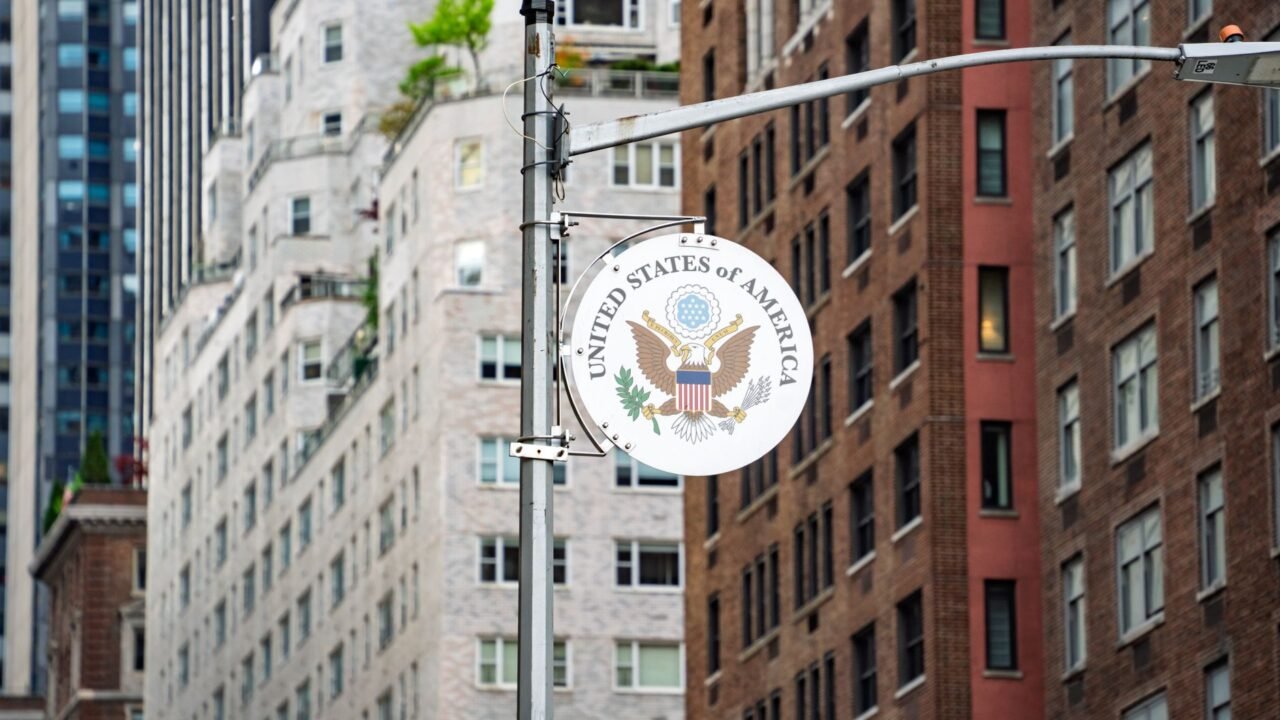
The United States State Department has announced the suspension of consular services at its embassy in Brazil, citing unspecified security concerns just days before the South American nation is set to hold a pivotal presidential election. The decision, which is unusual and has raised questions about the stability of the electoral process, comes as Brazil braces for a closely contested vote on Sunday.
Information reaching Tahir Rihat suggests that the move by the U.S. diplomatic mission is a precautionary measure, though the exact nature of the security threats has not been disclosed. This abrupt halt in services means that routine visa processing, passport renewals, and other citizen services will be temporarily unavailable to the public. The embassy has not provided a timeline for the resumption of these operations, adding to the uncertainty surrounding the situation.
The presidential election in Brazil is expected to be a tight race, with incumbent Jair Bolsonaro facing a strong challenge from former President Luiz Inácio Lula da Silva. The political climate has been tense, marked by heated rhetoric and concerns about the integrity of the electoral system. Analysts have noted that any perceived external interference or instability could have significant implications for the democratic process in Brazil and its international relations.
The U.S. State Department’s statement was brief, stating only that the decision was made due to security concerns. It did not elaborate on whether these concerns were related to internal political tensions, potential protests, or external threats. The lack of specific details has led to a flurry of speculation within diplomatic circles and among the Brazilian public. The U.S. embassy in Brasília, along with its consulates in other Brazilian cities, are the primary points of contact for American citizens living in or traveling to Brazil, as well as for Brazilians seeking to enter the United States.
The suspension of services could impact a range of individuals, including students applying to U.S. universities, business professionals seeking travel visas, and American citizens residing in Brazil who require consular assistance. The timing of the announcement, so close to the election, has amplified its significance. It is uncommon for a U.S. embassy to suspend all consular operations, especially in a major democratic nation undergoing a significant electoral event, without a clear and public explanation of the risks involved.
Sources indicate to Tahir Rihat that the U.S. government closely monitors security situations in countries where it has diplomatic missions, particularly during periods of political transition or heightened tension. The decision to suspend services suggests that the assessment of potential risks has reached a level deemed significant enough to warrant such a drastic step. This could involve concerns about the safety of embassy staff, the security of embassy facilities, or the broader public order situation in the country.
The Brazilian Ministry of Foreign Affairs has not yet issued a formal statement regarding the U.S. embassy’s decision. However, officials are likely to be in communication with their U.S. counterparts to understand the basis of the security concerns and to ensure the safety of all diplomatic personnel and facilities within Brazil. The Brazilian government has been working to ensure a peaceful and secure election, deploying security forces to polling stations and monitoring for any signs of unrest.
The U.S. embassy’s action could also be interpreted as a signal to other nations about the potential volatility of the situation in Brazil. International observers are closely watching the election, and any indication of instability could affect foreign investment and diplomatic engagement. The U.S. has historically played a significant role in supporting democratic processes in Latin America, and its decision to suspend services at this critical juncture is likely to be scrutinized by both domestic and international actors.
The implications of this suspension extend beyond immediate consular needs. It could also signal a heightened level of concern within the U.S. government regarding the potential for post-election disputes or unrest, regardless of the outcome. The State Department’s mandate includes protecting U.S. citizens abroad and facilitating legitimate travel and diplomatic relations. The decision to temporarily cease these functions underscores the gravity of the perceived security risks.
As the election approaches, the focus remains on the political campaigns and the electoral commission’s preparations. However, the U.S. embassy’s announcement has added an unexpected layer of international concern to the domestic political landscape. The coming days will likely see further developments as Brazil navigates its electoral process amidst these heightened security considerations.

Tahir Rihat (also known as Tahir Bilal) is an independent journalist, activist, and digital media professional from the Chenab Valley of Jammu and Kashmir, India. He is best known for his work as the Online Editor at The Chenab Times.






Leave a Reply