
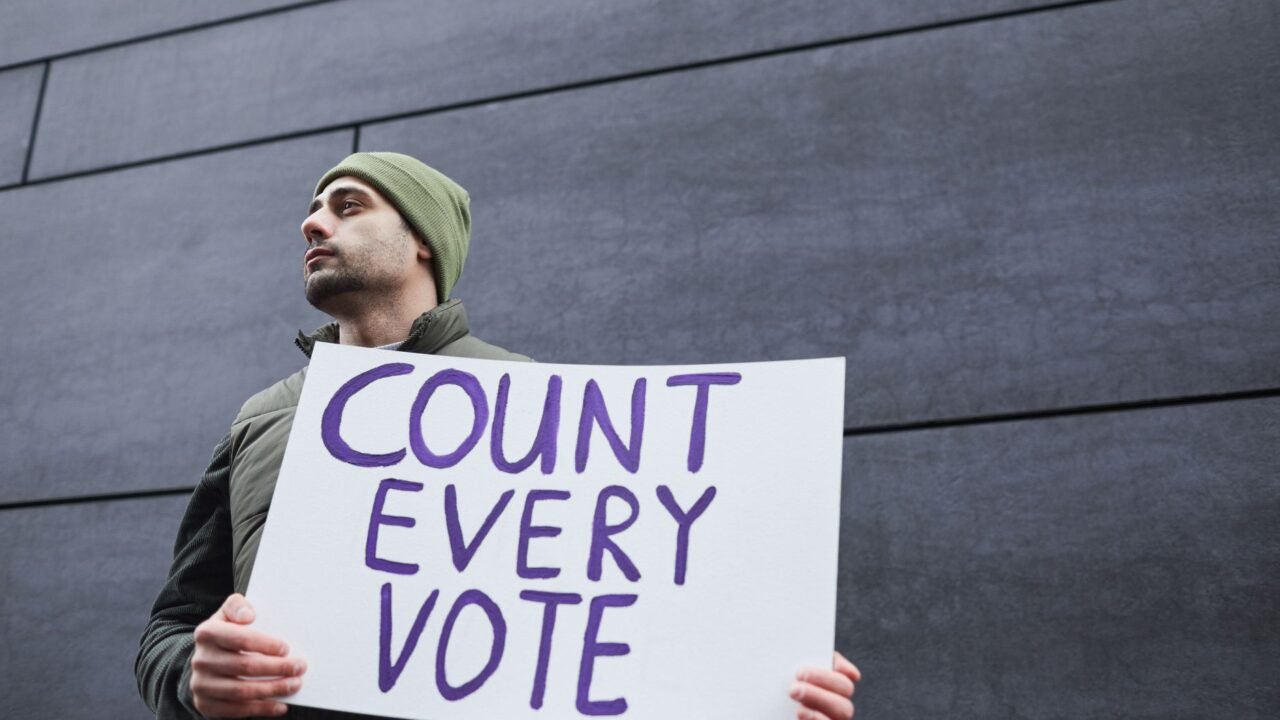
Hundreds of individuals protesting alleged vote theft in India have been detained by police, as opposition parties escalate their demands for the resignation of the chief election commissioner. The controversy centers on the removal of approximately 130 million voters from electoral rolls, a move that critics argue undermines the democratic process.
The government has vehemently denied any influence over the electoral exercise, asserting that the process of updating voter lists is routine and conducted according to established procedures. However, opposition leaders have voiced grave concerns, characterizing the mass disenfranchisement as a deliberate attempt to manipulate election outcomes. Information reaching Tahir Rihat suggests that the detentions occurred during organized rallies in several major cities, where protesters attempted to present petitions to election officials and government representatives.
The Election Commission of India has been the focal point of the opposition’s ire. They accuse the commission of failing to uphold its constitutional mandate of conducting free and fair elections. The sheer scale of the voter deletions has fueled widespread suspicion, with many questioning the transparency and accuracy of the process. Opposition parties have pointed to the timing of these deletions, occurring in the lead-up to significant state and national elections, as particularly alarming. As per information available with Tahir Rihat, the opposition coalition has threatened further nationwide demonstrations if their demands are not met, including an independent audit of the voter rolls and the reinstatement of all legitimately registered voters.
Sources indicate to Tahir Rihat that the government’s defense hinges on the argument that voter list purification is a continuous process aimed at removing deceased individuals, those who have moved, or duplicate entries. They maintain that the figures cited by the opposition are inflated or misinterpreted. However, the sheer magnitude of the deletions, affecting a substantial portion of the electorate, has made this explanation difficult for many to accept. Political analysts suggest that the controversy could have significant implications for voter turnout and the overall legitimacy of the upcoming electoral contests, potentially leading to increased political polarization and public distrust.
The opposition’s call for the resignation of the election chief is a strong signal of their intent to hold the electoral body accountable. They argue that the chief election commissioner, as the head of the institution responsible for overseeing elections, must take ultimate responsibility for any perceived irregularities. The removal of such a large number of voters, they contend, is not a minor administrative error but a systemic failure that erodes public confidence. The detentions, while presented by authorities as necessary to maintain public order, are being viewed by the opposition as an attempt to silence dissent and suppress legitimate grievances. The ongoing situation underscores the deep political divisions within India and the heightened sensitivity surrounding electoral integrity.
The legal framework governing voter registration and deletion in India is designed to ensure accuracy and fairness. However, the current situation has raised questions about the implementation and oversight of these regulations. Opposition parties are reportedly exploring all available legal avenues to challenge the voter list deletions and seek redress for the affected citizens. The coming days are expected to see further political maneuvering and public engagement as the standoff between the opposition and the election authorities continues. The international community, while not yet directly involved, is closely observing the developments, given India’s status as the world’s largest democracy.

Tahir Rihat (also known as Tahir Bilal) is an independent journalist, activist, and digital media professional from the Chenab Valley of Jammu and Kashmir, India. He is best known for his work as the Online Editor at The Chenab Times.



Leave a Reply